Eye diseases specialist Oculis SA is set to add $200 million to its balance sheet by merging with the European Biotech Acquisition Corp., a special purpose acquisition company (SPAC) formed to invest in the European life sciences industry.
The American Academy of Ophthalmology (AAO) annual meeting in Chicago Sept. 30 to Oct. 3 covered the waterfront in the ophthalmic market, with positive signs for continued or improving health as supply kinks work out. Hurricane Ian’s impact on the other side of the country was also a topic, as Florida accounts for a disproportionate percentage of cataract surgeries, which may be delayed as a result of the destruction in the state. We provide some highlights from the conference, analysts’ meetings with company executives and some timely new developments in the sector.
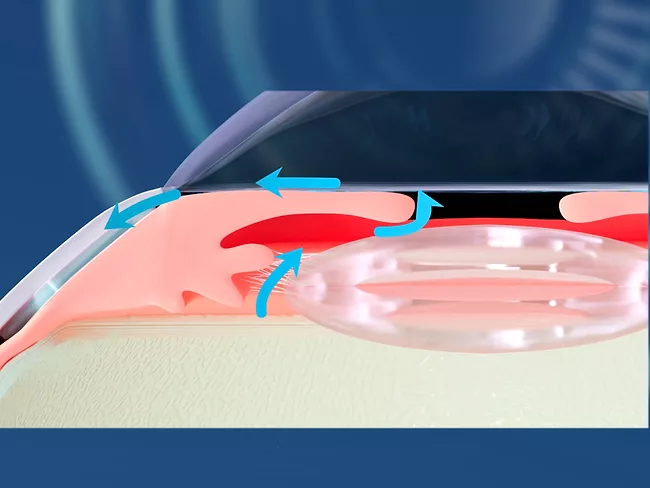
A new technique may allow reduction of intraocular pressure (IOP) associated with glaucoma without opening the anterior eye chamber, eliminating much of the risk associated with current glaucoma procedures. The cilio-scleral inter-position device (CID) facilitates outflow without creating an artificial egress using a thin one-piece implant.
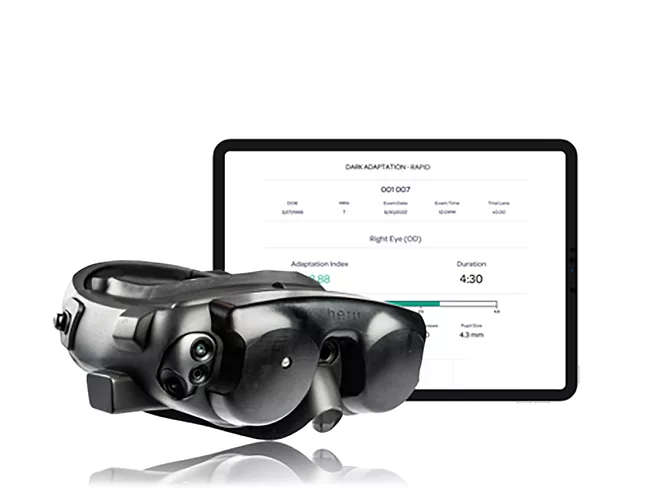
Sometimes it is a good idea to go to the dark side, particularly for individuals with undiagnosed vision impairment. Dark adaptation is one of the first aspects of vision to become impaired by age-related macular degeneration (AMD), so identifying it at early stages can preserve sight. Heru Inc. recently launched a new modality for its wearable screening platform to quickly assess dark adaptation.
Age-related macular degeneration (AMD) is still widely seen as the most common cause of irreversible blindness in those aged 50 and older, but the U.S. NIH and two partners from the private sector believe they have a solution. The three have teamed up to develop a patch embedded with induced pluripotent stem cells that has been implanted in a patient in the U.S. for the first time, marking the commencement of a safety study that may help take a bite out of the $4.6 billion in direct medical spending on AMD each year in the U.S.
Second Sight Medical Products Inc. completed a reverse merger with Nano Precision Medical Inc. which leaves the controversial visual prosthetics company holding 23% of the new company, now called Vivani Medical Inc. The deal brings together two unlikely partners, with Nano Precision targeting development of miniaturized, subdermal drug implants for chronic diseases such as diabetes, while Second Sight has focused on bringing its Orion visual prosthetic device to market. The company now trades on the Nasdaq under the symbol VANI.
Ophthalmic therapy and device developer Alcon SA, of Geneva, further strengthened its portfolio by buying Aerie Pharmaceuticals Inc. for about $770 million in equity. Aerie’s financial guidance for its glaucoma franchise puts net product revenue at $130 million to $140 million for all of 2022.
A pilot study of a novel, collagen-based substitute for donated corneal tissue has detected an unexpectedly strong efficacy signal in 20 patients with advanced corneal disease and has set the stage for a larger randomized control trial that could lead to regulatory approval. Fourteen of the phase I trial participants were legally blind prior to undergoing implantation of the device; none were at two years’ follow-up.
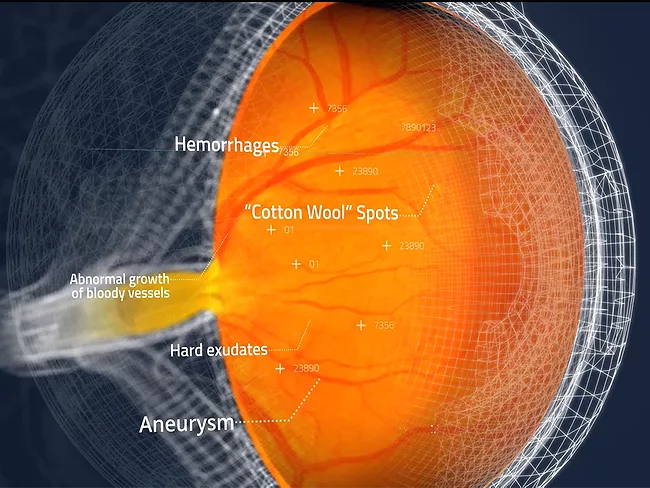
“If you can see the future, you can change it. People say your eyes are the window to your soul, but the eyes are actually the window to your future health,” Toku Eyes Ltd. Founder and CEO Ehsan Vaghefi told BioWorld.