CAR T-cell therapy for B-cell malignancies has still to be improved regarding durability, manufacturing complexity or toxicity, among others. Precigen Inc. has presented data regarding the preclinical development and efficacy of PRGN-3008, a PD-1-expression inhibitor cell therapy targeting CD19 that was built in a next-generation ultra CAR T platform.
Breast cancer is the most frequent malignancy among women worldwide, and all subtypes of breast cancer involve upregulation of the c-Myc gene, making it a compelling therapeutic target. G-rich regions of the c-Myc promoter can form G-quadruplex structures, which can be targeted using small molecules containing a styrylquinolinium core, which then downregulate oncogenic c-Myc. The challenge, however, is specificity.
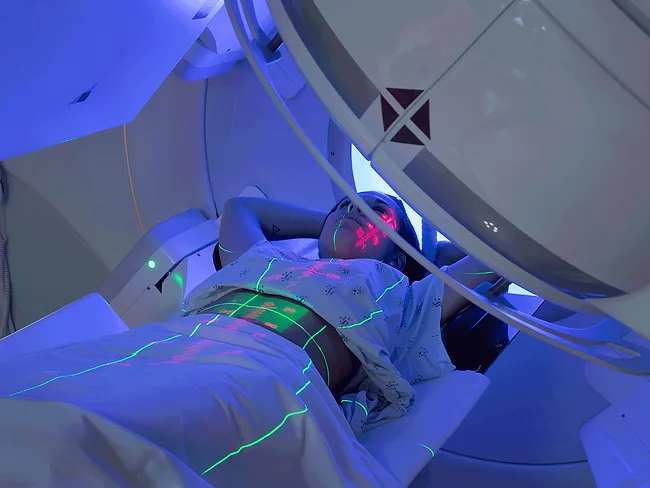
Researchers at the University of Chicago have shed light on the role of tumor-promoting factors induced by radiotherapy and their potential impact on future therapeutic strategies. The article, published in Nature on May 14, 2025, points to radiation-induced amphiregulin as a key driver of tumor metastasis.
Newco Avidicure NV arrived on the scene with a hefty $50 million in seed funding to advance novel antibody formats the company says will surpass the best qualities of first-generation antibodies, checkpoint inhibitors, T-cell engagers and antibody-drug conjugates.
Korea Institute of Science and Technology has identified ectonucleotide pyrophosphatase/phosphodiesterase family member 1 (ENPP1) inhibitors reported to be useful for the treatment of cancer.
Shanghai Yingli Pharmaceutical Co. Ltd. has synthesized poly(ADP-ribose) glycohydrolase (PARG) inhibitors reported to be useful for the treatment of cancer.
Immune checkpoint inhibitors have revolutionized cancer therapy by reversing tumor-induced immunosuppression, but they fail to work for many patients because of resistance. In addition, they can reactivate immune pathways only from outside immune cells.
Metastatic castration-resistant prostate cancer (mCRPC) is driven by molecular and genetic alterations in multiple signaling pathways and usually progresses despite initial response to androgen deprivation therapy.
 RSS
RSS