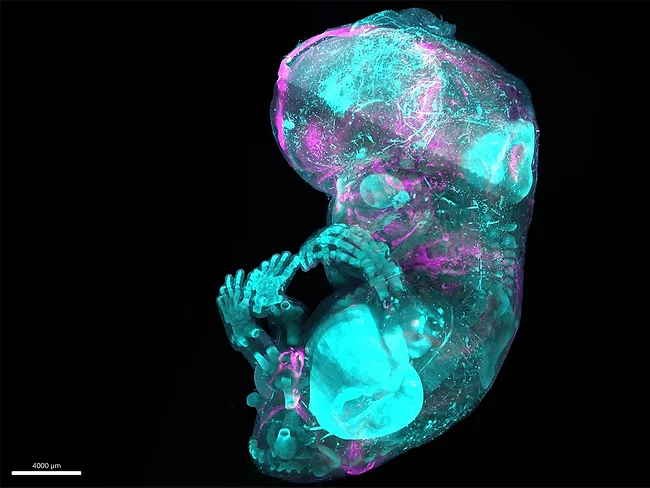
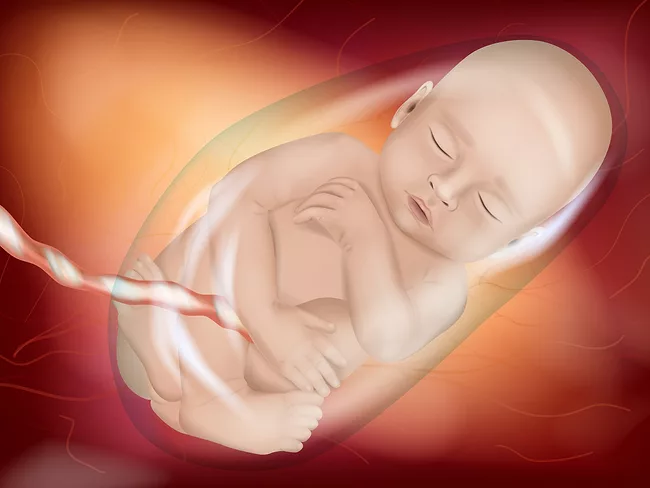
The U.S. FDA hasn’t taken up criminal justice as a sideline, but it did just clear Sonio Suspect. Far from a social miscreant, Suspect improves detection of fetal anomalies by 22 points by automatically detecting multiple types of abnormal findings and allows for detection as early as 11 weeks of gestation.
With rates of preeclampsia skyrocketing, the U.S. FDA’s510(k) clearance of Roche Holding AG’s Elecsys test for preeclampsia offers some hope of reducing the number of women and infants who die or experience life-long consequences from the development of dangerously high blood pressure during late pregnancy and in the days immediately following delivery.
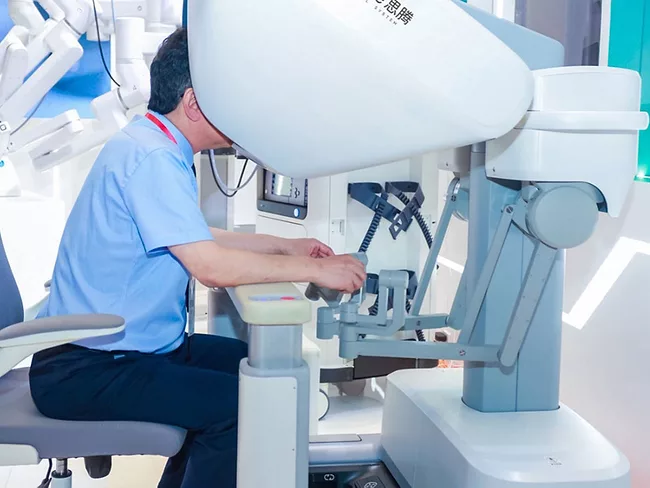
Cornerstone Robotics Ltd. raised more than $70 million in a series C round to expand its international footprint and accelerate R&D efforts for its robotic surgery solutions. The funds will allow the Hong Kong-headquartered company to accelerate commercialization of new surgical robotic products, conduct clinical trials, obtain regulatory approvals and promote global adoption of advanced robotic surgical solutions.
An international consortium of thousands of scientists is creating the Human Cell Atlas, a three-dimensional map of all the cells in the body. The goal is to understand all the cells that make up human tissues, organs and systems, which will enable multiple medical applications. This collection of cell maps is openly available for navigation at single-cell resolution, identified through omics analyses that reveal the tridimensional distribution of each cell.
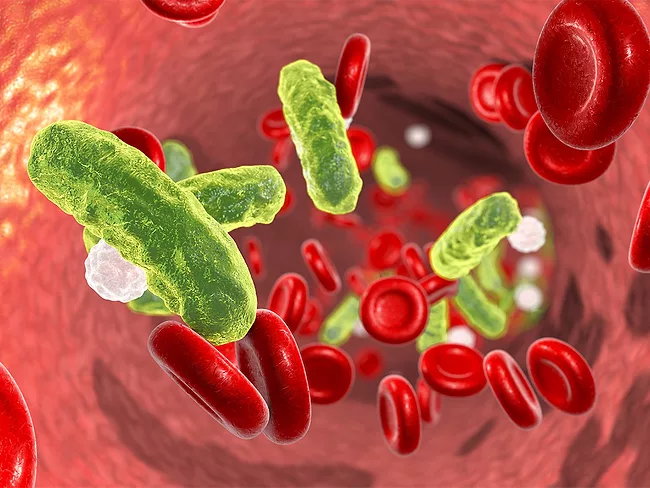
Abionic SA received U.S. FDA 510(k) clearance for its in vitro diagnostic Capsule pancreatic stone protein (PSP) sepsis test. Produced by the pancreas and immune cells, PSP provides an early biomarker for sepsis that could push back detection of deadly condition by 24 to 48 hours.
Seoul, South Korea-based Neudive Inc. is advancing a game-like digital therapeutic called Buddy-in as a software solution for children and adolescents with autism spectrum disorder to practice and improve social skills.
In what represents its first patenting, Sonura LLC has been issued with a patent for an aural device designed to protect the hearing of infants in a neonatal intensive care unit (NICU) by active filtering, while, at the same time, providing aural stimulation for neurological development.
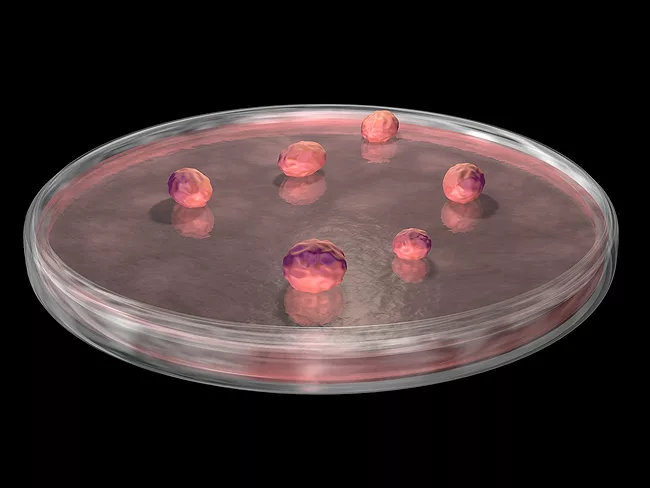
Organoids are 3D models created from human stem cells and resemble fetal tissues. In an article published in Nature Medicine on March 4, 2024, researchers from University College London provided details on the possibility of generating organoids from epithelial cells collected from amniotic fluid without terminating the pregnancy.
Listening to conversations between a mother and her unborn child on the cellular level could inform how the pregnancy is going and prevent complications. Three scientific groups from the Eunice Kennedy Shriver National Institute of Child Health and Human Development (NICHD), in collaboration with Wayne State University and Michigan State University, have used single-cell RNA sequencing techniques to decipher these words, identify the cellular language of these interactions in the placenta and establish a cellular atlas.
Luminopia Inc. reeled in $16 million in an oversubscribed series A financing led by U.S. Venture Partners. The funds will support full commercial launch of the company’s U.S. FDA-cleared digital therapeutic for the treatment of children ages 4-7 with amblyopia. “We are thrilled to announce the successful close of our oversubscribed series A round, which will allow us to advance our mission of pioneering a new class of treatments for the 15 million Americans who suffer from neuro-visual disorders,” said Scott Xiao, Luminopia’s co-founder and CEO.
 RSS
RSS