The failure of Alector Inc.’s phase III study of latozinemab in treating dementia halved the company’s stock on Oct. 22. That is also about the same percentage of staff that Alector is letting go after the clinical trial stumble.
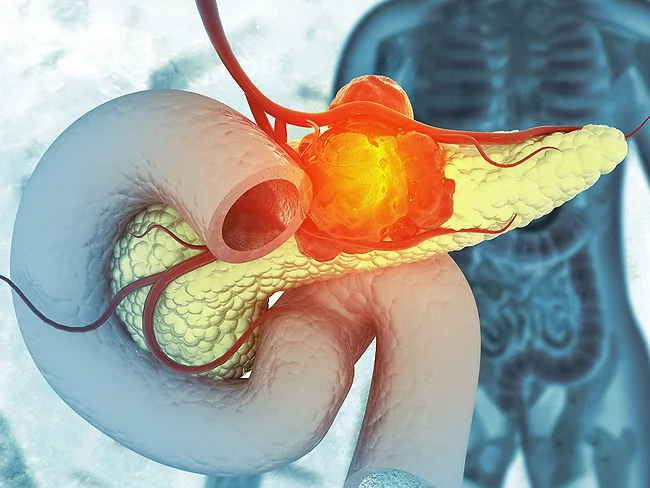
Astellas Pharma Inc. reported Oct. 14 that its CLDN18.2-targeting monoclonal antibody, zolbetuximab (Vyloy), did not meet the primary endpoint of overall survival in the phase II Gleam trial of patients with advanced pancreatic cancer.
Biocryst Pharmaceuticals Inc.’s near-term dilution should “pave the way for entrenchment” in the hereditary angioedema (HAE) space, thanks to the buyout of Astria Therapeutics Inc., RBC analyst Brian Abrahams said.
A top-line readout of the 26-week phase IIa Cbeyond trial showed nimacimab, Skye Bioscience Inc.’s peripherally restricted CB1 inhibitor antibody for weight loss, fell short of statistical significance as a monotherapy vs. placebo on the primary endpoint of weight loss, sending the company’s shares down 60%. Skye executives, however, offered a more optimistic outlook for the findings, which they said provide clear direction for moving forward.
A failed July inspection of manufacturer Catalent Indiana LLC has delayed another U.S. FDA approval, the latest being that of Scholar Rock Inc.’s selective anti-latent myostatin antibody, apitegromab, which was expected to become the first therapy to enhance skeletal muscle in patients with spinal muscular atrophy.
“People have some inability to focus on [Regeneron Pharmaceuticals Inc.’s] pipeline,” which stands as “the most prolific in the industry, I would dare to say,” CEO Leonard Schleifer remarked during the Morgan Stanley health care conference Sept. 8. Most recently, Regeneron bragged on two prospects. The ultra-rare disease fibrodysplasia ossificans progressiva (FOP) took center stage Sept. 17 with news that the phase III Optima trial testing fully human monoclonal antibody garetosmab met its primary endpoint. Separately, Regeneron provided updated analyses of the phase II Courage trial that tested new pairings of GLP-1 receptor agonist semaglutide plus the anti-GDF8/anti-myostatin compound trevogrumab, with or without garetosmab, in obesity.
As Avidity Biosciences Inc. brought the second-largest follow-on offering of the year to the market, the company also released positive early and midstage stage results of del-zota, an antibody-oligonucleotide conjugate, in treating Duchenne muscular dystrophy. Phase I/II results showed a reversal of disease progression in patients who have been continuously treated for a year, plus improvements in several functional measures.
Following a May phase II readout and a recent presentation of Tourmaline Bio Inc.’s long-acting anti-IL-6 IgG2 monoclonal antibody, pacibekitug, for atherosclerotic cardiovascular disease (ASCVD), Novartis AG offered $1.4 billion, or $48 per share, to buy the barely 4-year-old company. Previously shelved by Pfizer Inc., which had been developing it for autoimmune disorders, pacibekitug fell into the hands of New York-based Tourmaline through a May 2022 license agreement. In addition to the Tranquility phase II trial in ASCVD, the company’s lead product is also in the phase IIb Spirited trial for thyroid eye disease, a readout for which is expected in early 2026.
“New explosions in biotechnology are allowing us to interrogate cancers at a very sophisticated level compared to before,” Dennis Slamon told audience members at the Global Bio Conference in Seoul, South Korea Sept. 3.
Phase III results from Sanofi SA’s study of amlitelimab in treating atopic dermatitis met the primary and key secondary endpoints, but investors took a step back.
 RSS
RSS