Precision oncology startup Prana Thoracic Inc. closed a $3 million series A financing round aimed at advancing its minimally invasive lung tissue excision device for early treatment of lung cancer. The series A funds and a prior $3 million award from the Cancer Prevention & Research Institute of Texas are earmarked for product development and to support first-in-human clinical studies.
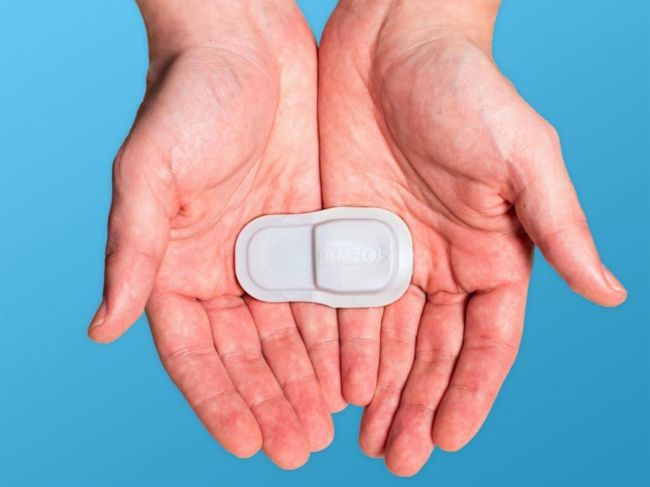
Rhaeos Inc. scooped up $10.5 million in a series A financing round led by Steele Foundation for Hope, with participation from Creative Ventures and Lateral Capital. The funds will be used to support the hospital launch of its Flowsense wearable hydrocephalus shunt monitor.
Avicenna.AI SAS secured a further $7.5 million in series A funding, bringing the total aggregated investment in the company so far to $10.4 million. The round was backed by the two existing Paris-based investors: Cemag Invest SAS and Innovacom Gestion SAS. “Thanks to this funding, we are now able to ramp deployment of our software platform around the world, as well as diversify our offering into new areas of medicine,” Cyril Di Grandi, CEO and co-founder of Avicenna.AI SAS, told BioWorld.
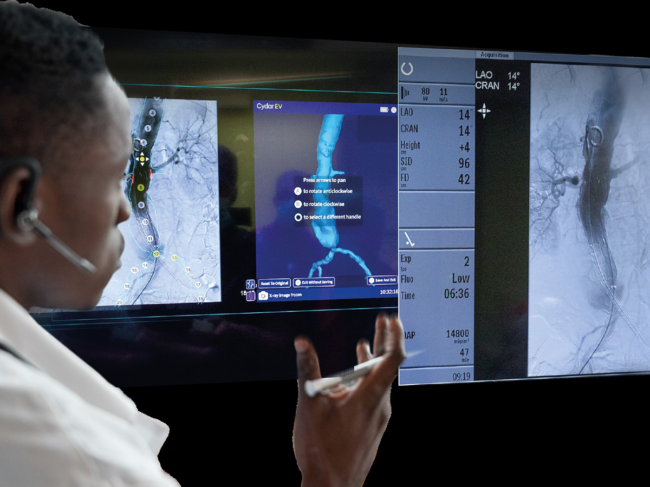
Cydar Medical Ltd. raised $11.5 million (£9.3 million) in a series A funding round which will allow it to advance its artificial intelligence (AI) surgical maps platform and bolster its ongoing commercial expansion.
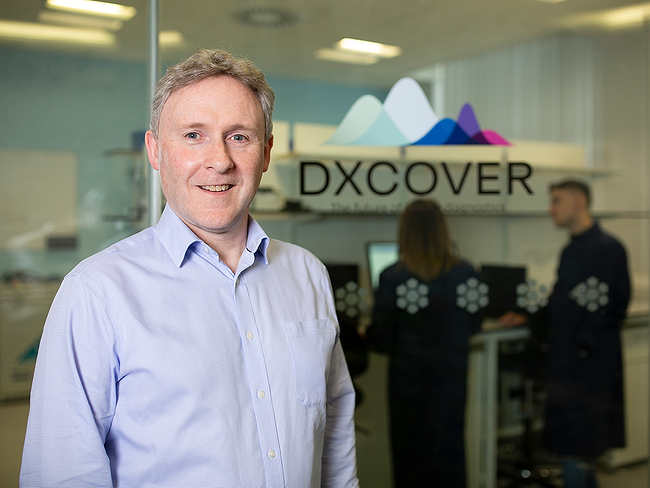
Dxcover Ltd. raised $9.25 million (£7.5 million) in a series A fundraising round and received a grant of $2.7 million (£2.2 million) from the European Innovation Council to support development of the company’s liquid biopsy platform for the detection of multiple early-stage cancers. Existing investors Eos Advisory LLP, Mercia Asset Management plc, Scottish Enterprise, University of Strathclyde, SIS Ventures and Norcliffe Capital led the round, which was also joined by Mark Banforth of Thairm Bio.
Perception Vision Medical Technologies Co. Ltd. (Pvmed) raised around $14 million in a series A financing round, to further develop artificial intelligence (AI) cancer treatment solutions for the two major tumor treatment methods, radiotherapy, and surgery.
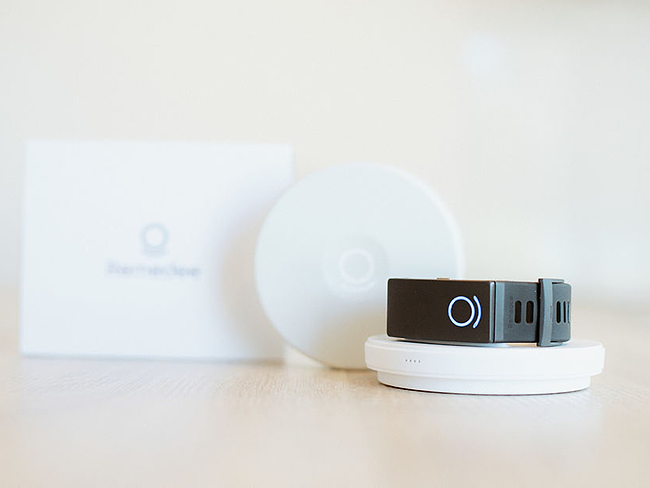
Remedee Labs SA raised $13.25 million to accelerate the commercial deployment of its mini endorphin stimulator for chronic pain. This is the company’s third funding round after initial fundraising of $11.66 million.
Chaomu Technology (Beijing) Co. Ltd. has raised nearly ¥100 million (US$14 million) in a series A+ round to develop its ophthalmic medical devices. The proceeds from the financing will be used for the clinical trials of its electromodulation product for nystagmus and the development of implantable medical chips, as well as to speed up the development of products for myopia correction. Following the financing, Beijing-based Chaomu will expand to the global market by looking for collaborations with international institutions. It plans to obtain marketing approvals for its ophthalmic medical devices in the U.S. and Europe.
Olive Diagnostics Pvt. Ltd. is looking to raise $10 million in a series A funding round to extend sales and marketing activities, after getting CE approval for its urine analysis device that mounts on any toilet. Among other parameters the device, Olive KG, can measure red blood cells, proteins, nitrates, pH levels volume, pressure and frequency of urination.
Sonothera Inc. reeled in $60.75 million in a series A financing led by Arch Venture Partners. The funds are earmarked for the continued development of Sonothera’s ultrasound-guided, nonviral, gene therapy platform and treatments.

 RSS
RSS