Antibody-drug conjugates (ADCs) are therapeutics that combine an antibody with a cytotoxic payload via a chemical linker to specifically target certain cells. Tumor-associated mucin-1 (TA-MUC1) is a glycosylated form of the MUC1 protein that is expressed in several cancer cells, thus being an interesting target for ADC development.
AGC Inc. has synthesized compounds acting as prostaglandin E2 receptor EP4 subtype (PTGER4; EP4) antagonists reported to be useful for the treatment of cancer.
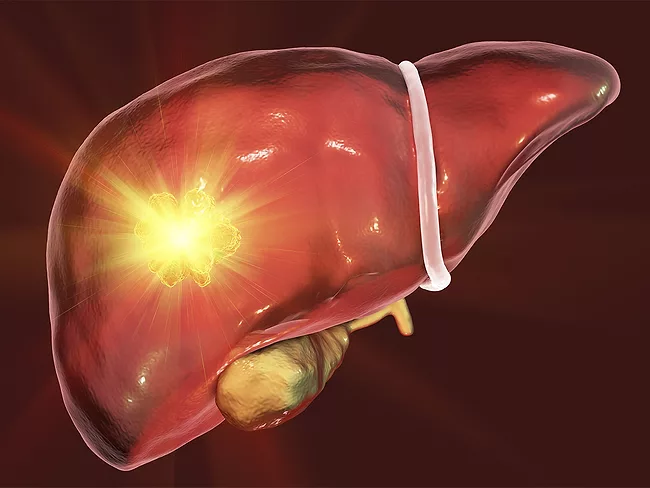
Hepatocellular carcinoma (HCC) is the third leading cause of cancer-related deaths worldwide, with few successful treatment options. HCC development is associated with established risk factors, including metabolic dysregulation, repeated insults by hepatotoxins or infection by hepatotropic viruses.
The University of Parma and the University of Modena and Reggio Emilia have jointly disclosed new transcriptional coactivator YAP1/transcriptional enhancer factor (TEAD) interaction inhibitors reported to be useful for the treatment of cancer.
Work at Eikon Therapeutics Inc. has led to the discovery of new ubiquitin carboxyl-terminal hydrolase 1 (USP1) inhibitors reported to be useful for the treatment of cancer.
Despite the increasing sophistication of anticancer therapies, many malignancies continue to evade treatment. T cells expressing chimeric antigen receptor (CAR) can effectively attack some tumors by recognizing antigens expressed on the tumor surface, but the therapy may prove ineffective if the target antigen is not abundant enough throughout the tumor.
Actithera A/S is poised to bring small-molecule pharmacokinetics to radiopharmaceuticals after closing a $75.5 million series A that will fund initial clinical development of a candidate targeting the elusive fibroblast activation protein (FAP).
Dana Farber Cancer Institute Inc. and Stanford University have patented new molecular glue degraders comprising cereblon (CRBN) binding moiety acting as casein kinase 1 isoform α and/or wee1-like protein kinase (Wee1) degradation inducers reported to be useful for the treatment of cancer.
Researchers from Nikang Therapeutics Inc. and Shanghai Blueray Biopharma Co. Ltd. have discovered GTPase KRAS (G12D mutant) inhibitors reported to be useful for the treatment of cancer.
 RSS
RSS