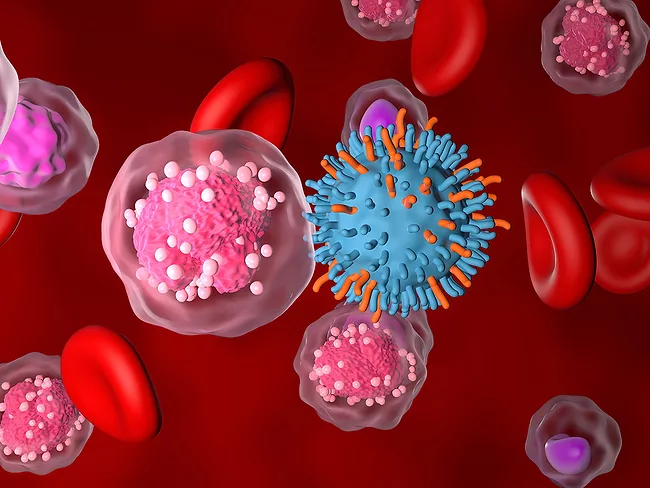
A study has demonstrated the potential of a novel ligand-based CAR T-cell therapy for targeting CD7-positive T-cell malignancies, including T-cell acute lymphoblastic leukemia (T-ALL) and T-cell lymphomas. The receptor CD7 is a prominent target antigen, being expressed in around 95% of T-ALL, 50% of peripheral T-cell lymphomas and 10% of acute myeloid leukemias.
Some deubiquitinating enzymes may help protect against cancer, but others appear to promote it. Researchers from the First Affiliated Hospital of Zhejiang University have discovered that the deubiquitinator PSMD14 helps drive bladder cancer, and they have defined at least one signaling pathway through which it works, opening up possibilities for development of new treatments.
Radiopharmaceuticals can offer a targeted approach for cancers that have limited therapeutical options. Abdera Therapeutics Inc. recently presented results of their novel 5T4-targeted radiopharmaceutical.
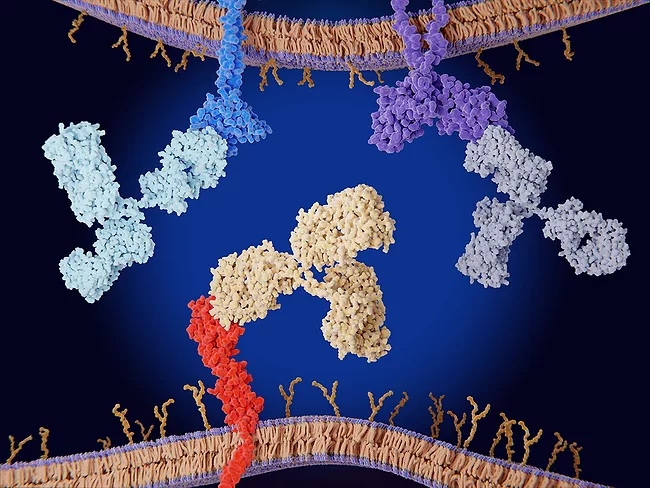
Epidermal growth factor receptor (EGFR), when overactive or overexpressed, may lead to tumor growth and spread, and is thus a robust target for therapy.
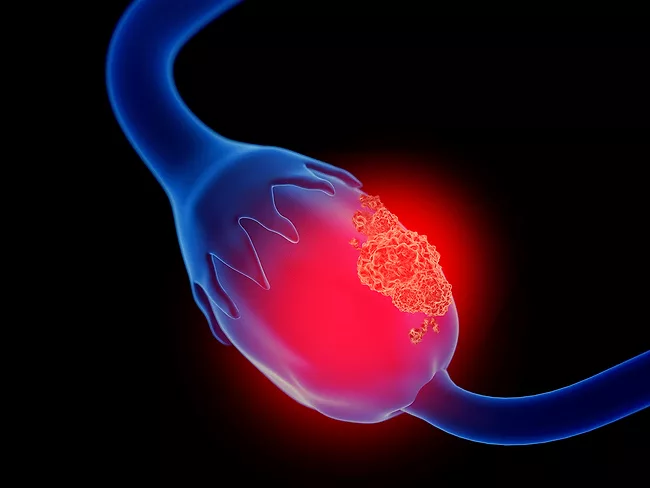
Researchers from Trinity College Dublin, Princeton University and collaborators have discovered that blocking the uptake of lipids by immune cells within the ascites microenvironment could reshape treatment for advanced ovarian cancer.
Work at The Cleveland Clinic Foundation has led to the identification of new 3β-hydroxysteroid dehydrogenase/delta 5-->4-isomerase type 1 (3β-HSD1, HSD3B1) inhibitors reported to be useful for the treatment of cancer.
A Merck Sharp & Dohme LLC patent details new GTPase KRAS and its G12C, G12D, G12V and/or G13D mutant inhibitors reported to be useful for the treatment of cancer.
Researchers from Osaka University have developed a novel approach to target nicotinamide N-methyltransferase (NNMT), an enzyme implicated in cancer progression, using antisense oligonucleotides (ASOs).
Traditional neoantigen prediction methods primarily rely on HLA-peptide binding databases, often producing false positives. This challenge highlights the need for improved strategies to identify truly immunogenic neoantigens. Neoantigen-based cancer vaccines have shown promising efficacy in recent clinical trials for treating solid tumors, offering a potential solution.
Both IL-15 and IL-2 are good options for cancer therapy, but IL-15 is considered superior due to lower vascular endothelial toxicity, stronger ability to expand natural killer and CD8+ T cells and weaker stimulation of T regulatory cells, but it has a short half-life and exerts severe adverse effects.
 RSS
RSS