Keeping you up to date on recent developments in neurology, including: Software developed to objectively calculate white matter hyperintensities; CSF biomarkers point to underlying cause of neural damage in COVID-19; Scientists discover how cryptochrome mutation leads to sleep disorder; Physical labor significantly increases the risk of dementia.
Anthony Wynshaw-Boris, professor and chair of the department of genetics and genome sciences at Case Western Reserve University School of Medicine, set a positive tone in his opening talk at the 2020 annual meeting of the American Society of Human Genetics (ASHG). "This is guaranteed to be the best-ever virtual ASHG annual meeting," he told the audience. The opening plenary abstract session, for one, did not disappoint. It began with the definition of a new disease, identified through a new approach, and possibly leading to a new way to think about rheumatic diseases.
Teleflex Inc. reeled in $628.3 million in revenue in the third quarter, down 3.1% from the same period last year but ahead of the Street’s estimate of $619.4 million. Earnings per share also beat consensus, at $2.46 vs. $2.24. The release of the quarterly results dovetailed with Teleflex’s reveal of a definitive agreement to acquire hemostatic products company Z-Medica LLC for up to $525 million.
The PMA for the Neovasc Reducer device for treatment of drug-refractory angina faltered at an Oct. 27 U.S. FDA advisory committee, but it wasn’t for lack of support from star-power cardiologists. Gregg Stone, of the Cardiovascular Research Foundation, gave an impassioned plea for approval, pointing out that these patients have few options if they are poor candidates for bypass grafting or percutaneous coronary intervention. Stone said, “this is really a desperate patient cohort,” adding that a two-class improvement in angina severity “is a robust reduction.”
TORONTO – Whether it’s President Trump obtaining the drug Regeneron or COVID-19 test kits fast tracked in the U.S. and Canada, this has been the year of temporary emergency approvals for drugs and medical devices. What is sometimes overlooked are permanent programs like Canada’s Special Access Program and the U.S.’s Expanded Access Program, designed to provide therapeutics to patients who have exhausted every avenue for a cure or relief from a devastating disease.
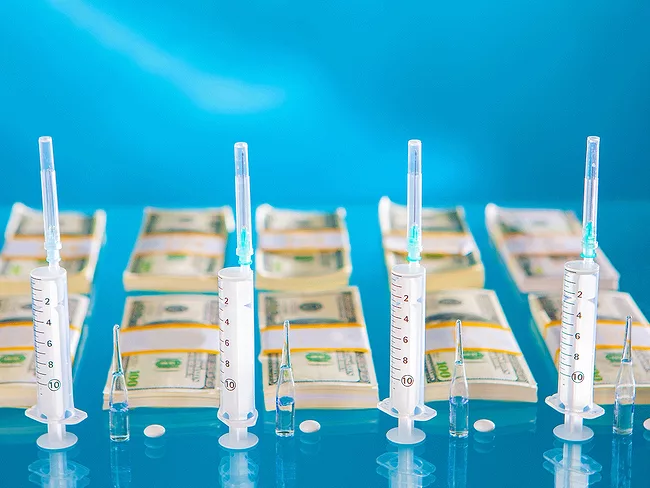
If a new federal rule withstands politics and potential court challenges, U.S. health care prices may finally be freed from their historic black box. The Centers for Medicare & Medicaid Services, along with the Departments of Labor and the Treasury, issued the Transparency in Coverage final rule Oct. 29 requiring most private health plans to disclose pricing and cost-sharing information so Americans will know in advance how much they will have to pay for prescription drugs, medical devices and other health care products and services.
Tencent Holdings Ltd. has launched two med-tech solutions to facilitate data sharing and management with artificial intelligence capabilities, marking an additional step into the smart health care realm for the company. The Chinese tech giant unveiled the two products at the 83rd China International Medical Device Expo Oct. 20.

 RSS
RSS