Another day, another two multibillion-dollar deals with Asian companies, this time involving Dizal Pharmaceutical Co. Ltd. and its EGFR inhibitor for lung cancer, as well as Innovent Biologics Inc. and its anti-CD40L antibody for a chronic fibroinflammatory condition.
Med-tech M&As through the first half (H1) of 2026 reached $75.73 billion in collective value, the highest H1 total since 2022’s $120.4 billion and well above every other year in BioWorld’s records. June contributed $12.21 billion, a rebound from May’s relatively quiet $1.51 billion.
The synergy – or lack of it – between knockdown drugs and stabilizers in treating transthyretin (TTR)-mediated amyloid cardiomyopathy (ATTR-CM) became one of the topics for debate in the aftermath of the phase III fizzle with gene silencer Wainua (eplontersen), advanced by Astrazeneca plc and Ionis Pharmaceuticals Inc.
Of all the U.S. SEC’s recent proposed rules to make going, and staying, public more attractive, perhaps the most beneficial for biopharma and med-tech startups is the amendment that would give public companies the flexibility to file semi-annual rather than quarterly reports, Ben Bradford, head of external affairs at Massbio, told BioWorld.
To Ivan Oransky, China’s paper-mill problem is best understood as an incentives story. “This is literally organized crime,” the Retraction Watch co-founder told BioWorld. “Follow the money. When there’s an opportunity to make money, they will find it, and if your whole career is based on how often you publish and what journals you publish in and how often you’re cited, it’s not surprising that leads to bad behavior.”
As China becomes a major source of global clinical trial evidence, the retraction of a high-profile China-led lung cancer study is raising questions about whether journals, regulators and drug developers have adequate systems to validate fast-moving clinical claims.
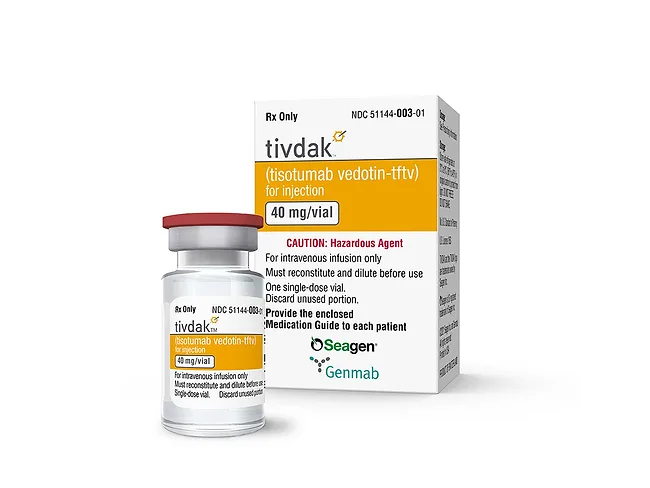
The April 2024 full U.S. FDA approval of Pfizer Inc. and Genmab A/S’ tissue factor-targeting antibody-drug conjugate Tivdak (tisotumab vedotin) for cervical cancer sparked interest from drug developers in the strategy, which has been known about for a while.
 RSS
RSS