A U.S. biotechnology company founded by Deerfield Management Company L.P. licensed exclusive rights to Metis Techbio Co. Ltd.’s preclinical trispecific T-cell engager (TCE) for autoimmune disorders in a potential $1.62 billion deal.
One company was looking to add to its royalty stream and R&D portfolio. The other was seeking strategic alternatives in the wake of clinical misfires over the last few years. In an agreement aimed at satisfying both goals, Zymeworks Inc. will acquire Theravance Biopharma Inc., paying $17 per share, or about $929 million, though the transaction is structured in a way that minimizes the former’s current capital position.
Adhesives innovator H.B. Fuller Co. is offering £2.85 per share in cash to buy Advanced Medical Solutions Group plc, expanding its technologies, commercial footprint and manufacturing capabilities across the globe.
Merck KGaA has agreed to buy Bio-Techne Corp. for an enterprise value of approximately $11.3 billion, in a bid to strengthen its life sciences business. The company is offering $73 per share in cash, a 36% premium to Bio-Techne's one-month volume-weighted average trading price, and a 24% premium to the company’s previous close on June 24. The deal will expand Merck’s position in multi-omics, spatial biology, cell and gene therapy, precision diagnostics and advanced research tools.
Nuvectis Pharma Inc.’s shares climbed further after the oncology-focused biotech nabbed select rights to a late-stage complement factor B inhibitor (HSK-39297/NXP-100) and a phase I BRAF inhibitor (HSK-42360/NXP-200) from Haisco Pharmaceutical Group Co. Ltd. for $40 million up front.
Antares Therapeutics Inc. drew Novartis AG to the table for a potential $1.9 billion collaboration, including a $105 million up-front payment, to discover small-molecule programs against oncology targets considered to be undruggable. It’s Antares’ first partnership since spinning out of Scorpion Therapeutics Inc. about a year ago.
Eli Lilly and Co. posted $19.8 billion in first-quarter 2026 revenue, driven by tirzepatide, marketed as Mounjaro for type 2 diabetes and Zepbound for obesity. The Indianapolis-based drugmaker is channeling cash flow from these blockbuster GLP-1 drugs into an aggressive dealmaking campaign — about $25.1 billion across 10 announced acquisitions so far this year and more than $26 billion in other closed deals.
Abbisko Therapeutics Co. Ltd. has entered a research collaboration and license agreement with Eli Lilly and Co. to discover and develop innovative medicines across multiple targets, with the aim of advancing novel drug candidates with global potential.
SK Biopharmaceuticals Co. Ltd. is doubling down on AI-powered drug discovery through a new collaboration with Insilico Medicine Inc. valued at more than $2.5 billion. The milestone-heavy deal, announced at the BIO International Convention in San Diego June 22, will pair Insilico’s Pharma.AI platform with SK Biopharm’s central nervous system (CNS) drug development and commercialization capabilities, underscoring Korean and global biopharma efforts to embed AI across the entire R&D lifecycle.
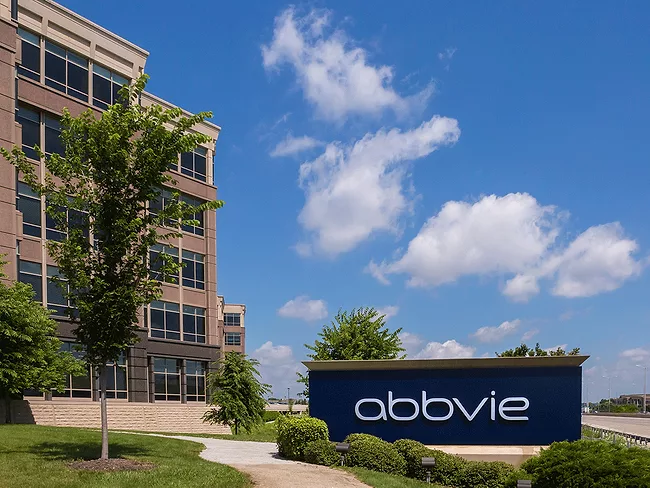
In a deal viewed as a big win for both companies, Abbvie Inc. is buying Apogee Therapeutics Inc. for $10.9 billion. The transaction calls for shareholders of Apogee to receive $135.11 per share in cash, marking a nearly 50% premium over Friday’s closing stock price, and puts lead candidate zumilokibart, a late-stage, half-life extended monoclonal antibody targeting IL-13 that has shown competitive phase II data in atopic dermatitis, in the hands of a pharma giant with a well-established immunology franchise.
 RSS
RSS