A new mRNA and lipid nanoparticle (mRNA-LNP) platform could selectively reprogram in vivo cytotoxic effector T cells (Teff), the cells responsible for eliminating infected or tumor cells. To achieve this, scientists at the University of Pennsylvania conjugated LNPs with fractalkine, a molecule that binds to the CX3CR1 receptor, which is a marker of Teff cells. Using this strategy, the researchers delivered an mRNA encoding new proteins such as IL‑2 or human CD62 L‑selectin, opening the door to temporarily reprogramming these cells within the body, both in the blood and in lymphoid tissue, where they reside and become activated.
Work at Shanghai Jeyou Pharmaceutical Co. Ltd. has led to the identification of new thioether-substituted galactopyranoside derivatives acting as galectin-3 (LGALS3) inhibitors.
Conventional mouse models are not susceptible to hepatitis A virus (HAV) because murine adaptor protein MAVS is not efficiently cleaved by HAV protease precursors, so intact type I interferon (IFN) signaling blocks productive infection. However, IFN receptor knockout (KO) mice are susceptible to HAV infection and show hallmark features of the infection, having recently been identified as a potential disease model. Researchers from Genematrix Inc. aimed to determine whether nonclinical efficacy studies can be performed in small animal models.
Parcelbio has raised $13 million in seed financing to continue its development of a new class of potent and durable mRNA medicines. The financing will support development of Parcelbio’s proprietary APEXm (Amplified and Prolonged EXpression mRNA) platform and advance its pipeline, including its lead in vivo CAR T program for autoimmune disease.
Scientists at the La Jolla Institute for Immunology have identified and characterized human antibodies that neutralize the measles virus by blocking its entry into the cell. This is the first time that antibodies have been shown to bind effectively to two essential viral proteins, creating a dual blockade that prevents infection. Unlike the current vaccine, which is based on an attenuated virus and is not recommended for immunocompromised individuals, these monoclonal antibodies could be used both as a new vaccine approach and as a treatment for the entire population.
Deepcure Inc. has synthesized new 3,4-dihydroquinoxalin-2(1H)-ones acting as bromodomain-containing protein 4 (BD2 domain) (BRD4 BD2) inhibitors. As such, they are described as potentially useful for the treatment of autoimmune, cardiovascular disease, inflammatory disorders, multiple sclerosis, psoriasis, gout, obesity, and sepsis, among others.
Evotec SE has announced the nomination of a small-molecule preclinical development candidate from its multi-target drug discovery alliance in medical dermatology with Almirall SA. The program is aimed at developing novel treatments for immune-mediated inflammatory skin diseases with high unmet medical need. The collaboration, established in 2022, leverages Evotec’s fully integrated, AI/machine learning enhanced discovery and preclinical development platforms.
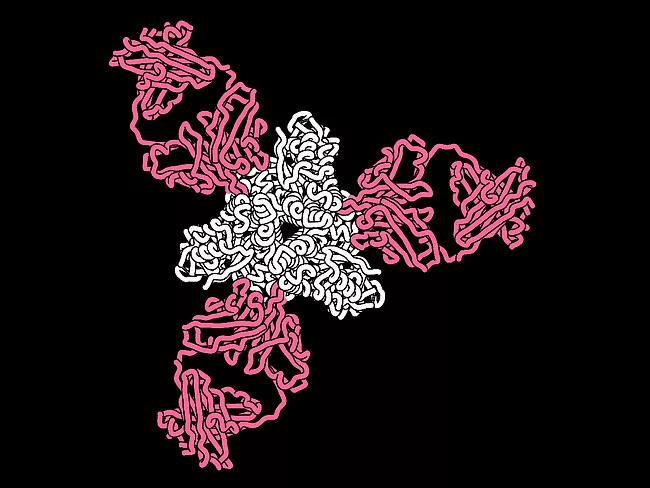
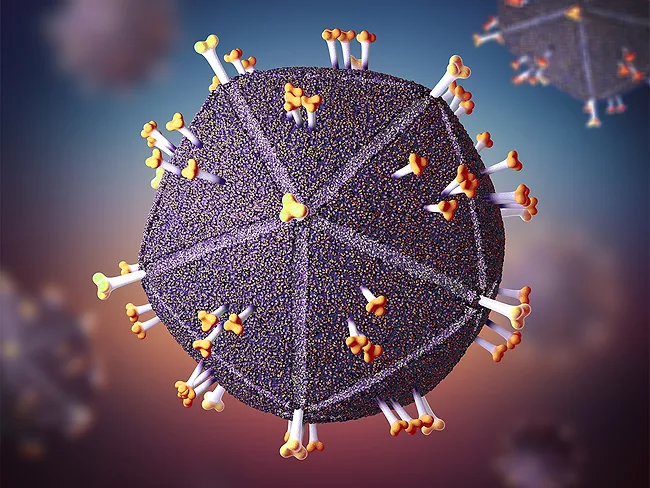
A new vaccination strategy designed to induce antibodies that recognize the apex of the HIV Env protein uses Env trimers displayed on liposomes to increase their density and orient them correctly. This presentation enhanced apex-focused antibody responses in macaques, and the monoclonal antibodies isolated after immunization showed binding modes and structural features resembling human broadly neutralizing antibodies (bNAbs), indicating that the vaccine can steer the antibody response toward this vulnerable site.
Genomics Ltd. has established a strategic relationship with Grey Wolf Therapeutics Ltd. (Greywolf) to develop first-in-class treatments for autoimmune diseases.
Activating the aryl hydrocarbon receptor (AhR) in immune cells enhances anti-inflammatory pathways and limits pathogenic immune responses. Equillium Inc. has recently presented data for their AhR agonist EQ-504 for the potential treatment of immune-related diseases.
 RSS
RSS