In a deal potentially worth up to $15.2 billion, Jiangsu Hengrui Pharmaceuticals Co. Ltd. is joining efforts with Bristol Myers Squibb Co. to advance 13 early development programs in the fields of oncology, hematology and immunology. Shanghai-based Hengrui will hold exclusive rights in mainland China, Hong Kong and Macau, while Princeton, N.J.-based BMS will hold exclusive rights in the rest of the world.
Epirium Bio Inc. has developed a series of small-molecule 15-PGDH inhibitors, the phase II-ready MF-300 and preclinical candidate MF-1305, as potential therapeutics for inflammatory bowel disease (IBD).
Circular RNA (circRNA) is not a new concept, but it is a novel strategy in the field of gene and cell therapy. While mRNA vaccines have revolutionized medicine, this RNA fragment without free ends surpasses their performance in both efficacy and durability, bringing it to the attention of several pioneering companies. The latest advances in circRNA presented at the 29th Annual Meeting of the American Society of Gene and Cell Therapy (ASGCT) clearly surpass the performance achieved with linear mRNA.
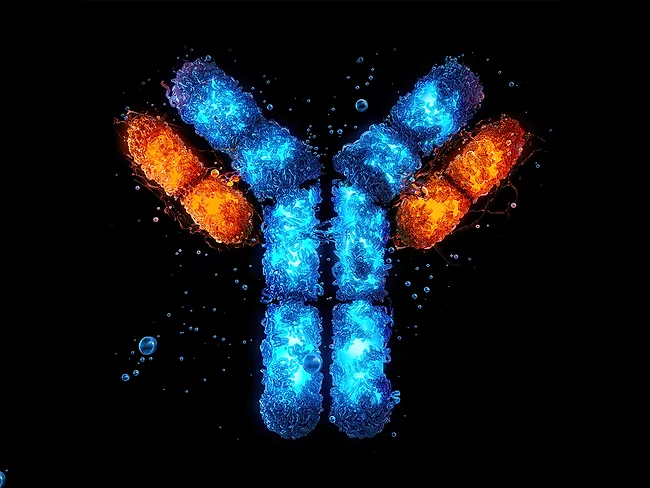
Boehringer Ingelheim Pharma GmbH & Co. KG and Immunitas Therapeutics Inc. have signed a global licensing agreement for a preclinical antibody program being developed for chronic inflammatory and autoimmune diseases.
AOP Orphan Pharmaceuticals GmbH (AOP Health) has established a strategic partnership with VRG Therapeutics Zrt to advance a novel Kv1.3 potassium channel inhibitor for use in inflammation and immunology indications.
A new mRNA and lipid nanoparticle (mRNA-LNP) platform could selectively reprogram in vivo cytotoxic effector T cells (Teff), the cells responsible for eliminating infected or tumor cells. To achieve this, scientists at the University of Pennsylvania conjugated LNPs with fractalkine, a molecule that binds to the CX3CR1 receptor, which is a marker of Teff cells. Using this strategy, the researchers delivered an mRNA encoding new proteins such as IL‑2 or human CD62 L‑selectin, opening the door to temporarily reprogramming these cells within the body, both in the blood and in lymphoid tissue, where they reside and become activated.
Work at Shanghai Jeyou Pharmaceutical Co. Ltd. has led to the identification of new thioether-substituted galactopyranoside derivatives acting as galectin-3 (LGALS3) inhibitors.
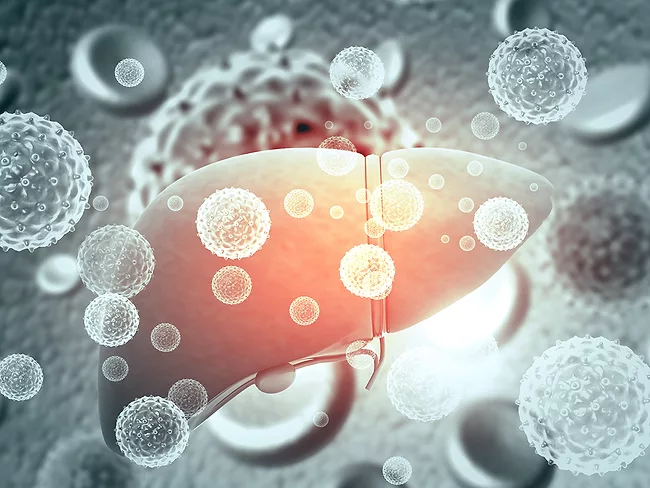
Conventional mouse models are not susceptible to hepatitis A virus (HAV) because murine adaptor protein MAVS is not efficiently cleaved by HAV protease precursors, so intact type I interferon (IFN) signaling blocks productive infection. However, IFN receptor knockout (KO) mice are susceptible to HAV infection and show hallmark features of the infection, having recently been identified as a potential disease model. Researchers from Genematrix Inc. aimed to determine whether nonclinical efficacy studies can be performed in small animal models.
Parcelbio has raised $13 million in seed financing to continue its development of a new class of potent and durable mRNA medicines. The financing will support development of Parcelbio’s proprietary APEXm (Amplified and Prolonged EXpression mRNA) platform and advance its pipeline, including its lead in vivo CAR T program for autoimmune disease.
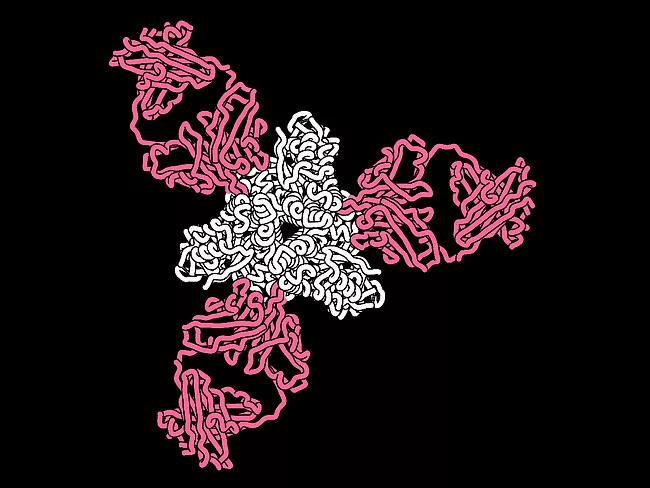
Scientists at the La Jolla Institute for Immunology have identified and characterized human antibodies that neutralize the measles virus by blocking its entry into the cell. This is the first time that antibodies have been shown to bind effectively to two essential viral proteins, creating a dual blockade that prevents infection. Unlike the current vaccine, which is based on an attenuated virus and is not recommended for immunocompromised individuals, these monoclonal antibodies could be used both as a new vaccine approach and as a treatment for the entire population.
 RSS
RSS