Aiming to develop a vaccine candidate against human adenovirus-55 (HAdV-55) infections, researchers from the First Affiliated Hospital of Guangzhou Medical University (China) and collaborators have generated a replication-incompetent rAd55-5E4.
The signaling axis orchestrated by OX40L-OX40 is a T-cell costimulatory pathway implicated in multiple autoimmune diseases, such as atopic dermatitis (AD). Antibodies targeting this pathway have proven useful at treating AD in the clinical setting. Earendil Labs recently presented data regarding HXN-1021, an anti-OX40L antibody with potent activity and extended half-life, in vivo.
Scientists from Fu Wai Hospital of the Chinese Academy of Medical Sciences and Shenzhen Bay Laboratory have divulged cAMP-specific 3',5'-cyclic phosphodiesterase 4B (PDE4B) inhibitors. They are reported to be useful for the treatment of autoimmune diseases, cancer, neurological disorder, diabetes, inflammatory bowel disease, pulmonary fibrosis, psoriasis and arthritis, among others.
In developed countries, up to 20% of the population suffers from pollen allergies to birch and related trees. Mabylon AG has developed an anti-tree pollen antibody therapeutic, MY-010, that targets several inducers of spring hay fever, such as birch, alder and hazel, among others.
In an article published in Cell Host & Microbe on March 3, 2026, researchers at McMaster University in Canada and at the Hospital Universitario de La Princesa in Spain have shed some light on the impact of microbiota on peanut-driven allergy and anaphylaxis.
Gliadin is the major allergen of wheat-dependent exercise-induced anaphylaxis (WDEIA). YH-35324 (lesigercept, GI-301) is a long-acting IgEtrap-Fc fusion protein that targets FcεR1α that could serve as a therapeutic approach in WDEIA. It is under development by Yuhan Corp. in early clinical trials as an allergy treatment.
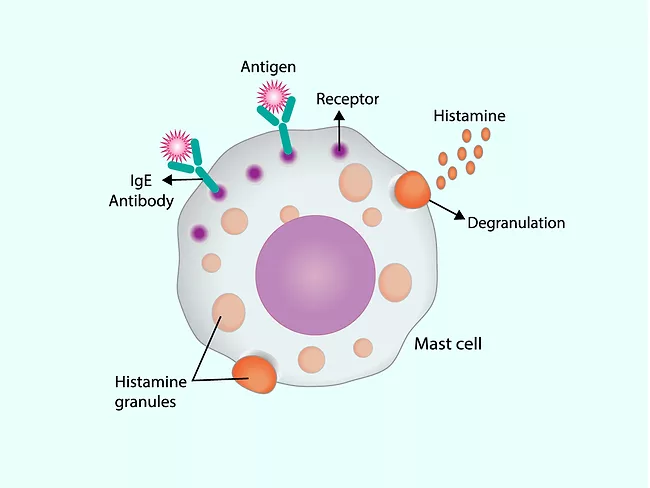
IgE is known to drive allergic disease, and omalizumab is the only approved anti-IgE antibody to date that has shown suboptimal IgE affinity and limited use in scenarios with high IgE levels.
UCB SA and Antengene Corp. Ltd. have entered into a license agreement that grants UCB a worldwide exclusive license to further develop, manufacture and commercialize ATG-201.
Ono Pharmaceutical Co. Ltd. has entered into an agreement to expand its drug discovery collaboration agreement with Congruence Therapeutics Inc. for the discovery of novel small-molecule modulators against multiple protein targets in the areas of neurology and immunology.
Autoantibodies and B cells are drivers of progressive autoimmune diseases, but targeting B cells or plasma cells alone is not sufficient to address them. Earendil Labs has presented data on HXN-1031, a novel T-cell engager targeting both CD19 and B-cell maturation protein (BCMA).
 RSS
RSS