Prime Medicine Inc. has obtained clearance from the New Zealand authority, Medsafe, for the company’s clinical trial application for PM-577a, an investigational Prime Editor for Wilson’s disease.
Four years after the U.S. FDA issued a complete response letter for Spero Therapeutics Inc.’s oral antibiotic, tebipenem pivoxil hydrobromide, to treat complicated urinary tract infections (cUTI), including pyelonephritis, the agency approved the drug based on phase III data showing noninferiority to intravenous imipenem-cilastatin.
The U.S. FDA’s Vaccines and Related Biological Products Advisory Committee voted unanimously in favor of Moderna Inc.’s trivalent mRNA flu vaccine, mRNA-1010, which the company wants to brand as Mflusiva. On the question of whether the benefits of the product outweigh the risks in people ages 50 to 64, balloting was 9-0, and on whether the same is true in those 65 and older, the tally was again 9-0.
Cenna Biosciences Inc. has obtained IND clearance from the FDA for 8M2D, a first-in-class peptide for the treatment of Alzheimer’s disease. A phase Ia/Ib trial of 8M2D in healthy volunteers and patients with early Alzheimer’s disease is expected to begin dosing late this year.
Beam Therapeutics Inc. has obtained IND clearance from the FDA for BEAM-304 for the treatment of phenylketonuria (PKU). BEAM-304 is a liver-targeting lipid-nanoparticle (LNP) formulation of base editing reagents designed to correct mutations in the phenylalanine hydroxylase (PAH) gene that cause PKU.
In a little more than a month, 17 big biopharma companies will be subject to U.S. President Donald Trump’s long-promised section 232 global biopharma sector tariff. But instead of paying the 100% duty on imported patented drugs and their key ingredients, most of those companies, if not all, will pay much reduced rates or no tariff at all, based on where the imports are coming from, what type of drug is being imported, and whether the companies have signed onshoring and most-favored-nation pricing agreements with the administration.
Another day, another about-face by the U.S. FDA on Uniqure NV’s Huntington’s disease gene therapy. But this latest shift brings good news for the company’s AMT-130, for which the FDA says three-year analysis data from the phase I/II study will be acceptable for an accelerated BLA filing, now expected to be submitted in the third quarter.
Calidi Biotherapeutics Inc. has received pre-IND regulatory feedback from the FDA on Calidi’s IND-enabling preclinical plans and clinical strategy for CLD-401. The parties agreed on key aspects of the CMC and nonclinical programs, as well as the overall design for the proposed first-in-human study.
On the eve of the June 17 Vaccines and Related Biological Products Advisory Committee (VRBPAC) meeting, which will discuss Moderna Inc.’s mRNA-1010, researchers at Washington University School of Medicine in St. Louis have reported that the vaccine conferred broader and more durable protection than a standard flu shot.
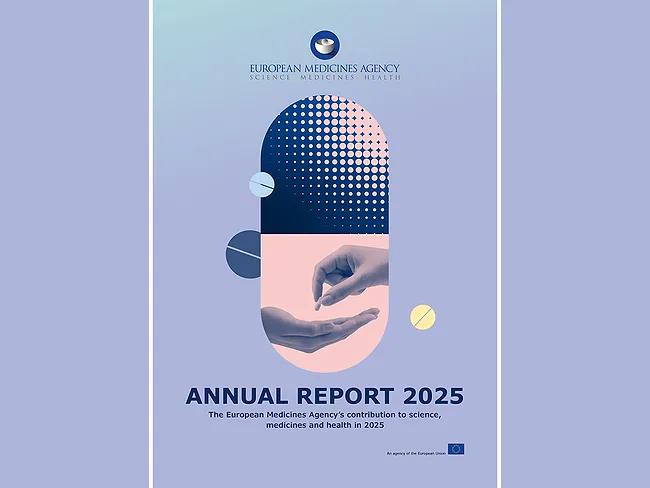
The EMA’s 2025 annual report highlights the pressure it is under to streamline and simplify assessment processes, and the expanded – and explicit – role the agency now has in boosting the competitive position of the EU in the development and manufacturing of drugs.
 RSS
RSS