In an effort to drive down out-of-pocket costs for Americans, the U.S. FTC is resolving an antitrust case through a proposed second settlement with a large pharmacy benefit manager (PBM) and its affiliates.
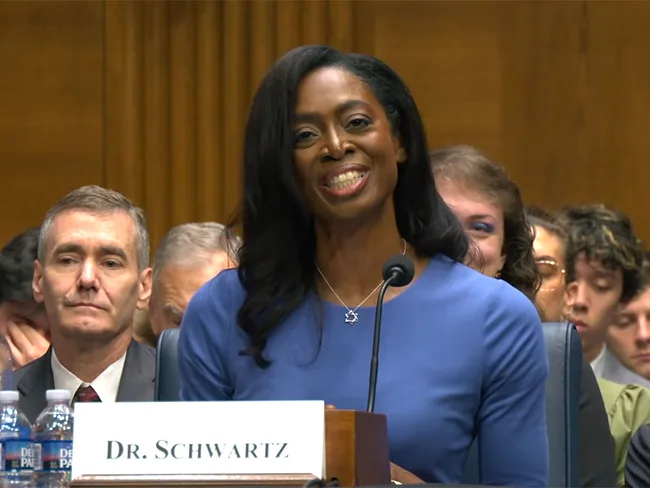
U.S. Health and Human Services Secretary Robert Kennedy was the 800-pound gorilla that couldn’t be ignored as the Senate Health, Education, Labor and Pensions Committee held a joint confirmation hearing July 15 for President Donald Trump’s nominees for CDC director and the head of the Administration for Strategic Preparedness and Response.
Atrium Therapeutics Inc. has obtained IND clearance from the FDA for ATR-1072 for the treatment of protein kinase AMP-activated non-catalytic subunit γ2 (PRKAG2) syndrome.
South Korea is moving ahead with its biggest reform of drug review and pricing in more than a decade, reflecting a wider shift across Asian markets to reward innovation and tighten controls on generics.
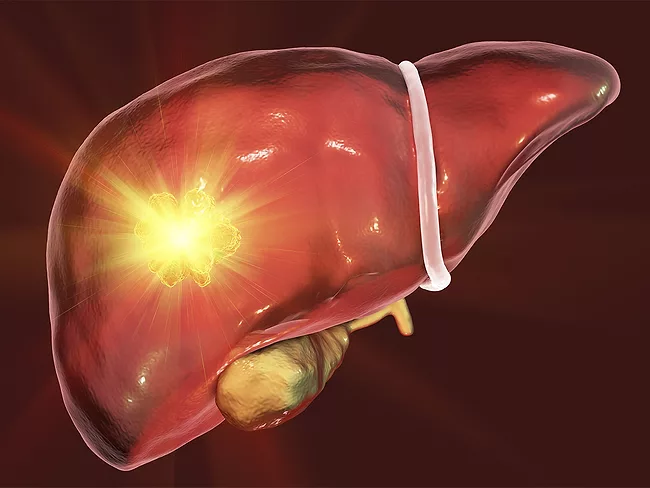
The U.S. FDA declined to approve, for a third time, an investigational liver cancer drug regimen comprising HLB Co. Ltd.’s rivoceranib and Jiangsu Hengrui Pharmaceutical Co. Ltd.’s camrelizumab, reportedly citing issues from a drug manufacturing facility inspection.
The U.S. Court of Appeals for the Seventh Circuit revived Teva Pharmaceuticals USA Inc.’s breach-of-contract suit against Eli Lilly and Co. July 13, as it chided the lower court for dismissing the complaint at the pleadings stage.
More than 52,000 individuals, lawmakers, institutions and other organizations have submitted comments on the White House Office of Management and Budget’s (OMB) proposal to revise its Guidance for Federal Financial Assistance, which serves as a government-wide framework for administering grants, cooperative agreements and other forms of assistance.
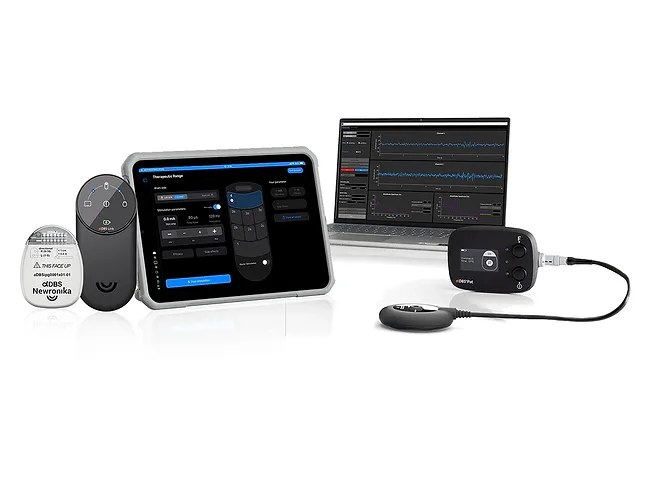
Newronika SpA received CE mark certification for its latest adaptive deep brain stimulation (aDBS) system, which includes the integration of Webbiobank, its proprietary cloud-based neural data platform.
Edwards Lifesciences Corp. and Genesis Medtech Group Ltd. will pay a total of $12 million in penalties as part of a U.S. FTC settlement resolving allegations that they intentionally structured a deal in which Edwards acquired Genesis’ JC Medical to avoid complying with the notification and waiting period requirements of the Hart-Scott-Rodino Act.
Niagen Bioscience Inc.’s proprietary lead small-molecule drug candidate, NB-4168, has been awarded European orphan drug designation and U.S. rare pediatric disease designation for the treatment of ataxia telangiectasia.

 RSS
RSS