Total med-tech financing through the first half (H1) of 2026 reached $12.66 billion, down from 2025’s $17.56 billion but in line with 2024’s $13.94 billion over the same period.
Global drug approvals through the first half (H1) of 2026 reached 261, the third-highest H1 total in BioWorld’s records behind 2021’s 288 and 2025's 271, and ahead of 2022’s 256. June was the standout month of the first six months at 64 approvals, the highest single month in BioWorld’s records and a notable acceleration from May’s 43.
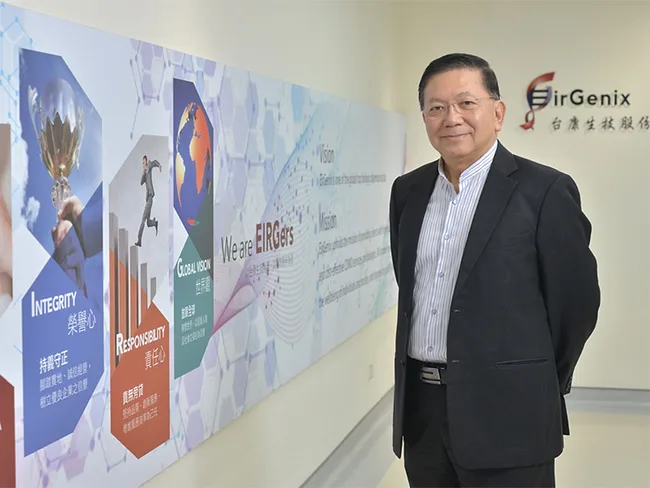
Taiwan’s biotechnology sector was built around domestic health needs, including vaccines and drug manufacturing, but it is increasingly looking outward – to international partnerships, licensing, clinical development and a bigger role in the global biomedical ecosystem.
Biopharma deal value through the first half (H1) of 2026 reached $170.11 billion, surpassing every prior year in BioWorld’s records, including 2025’s $139.35 billion, the previous high-water mark. June was the second-strongest month of H1 at $34.59 billion, trailing only May’s $41.95 billion.
Another day, another two multibillion-dollar deals with Asian companies, this time involving Dizal Pharmaceutical Co. Ltd. and its EGFR inhibitor for lung cancer, as well as Innovent Biologics Inc. and its anti-CD40L antibody for a chronic fibroinflammatory condition.
Signs of recovery are emerging in the biotechnology investment sector, although investors across Asia say that capital is flowing selectively to companies that can demonstrate clinical differentiation, strong management teams and a clear path to commercialization.
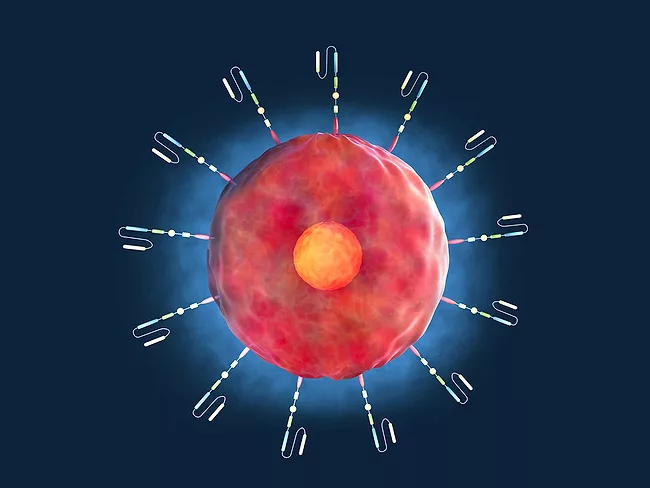
The field of cell and gene therapy is moving toward a new phase of scalability and clinical durability, with in vivo chimeric antigen receptor (CAR) T-cell therapeutics emerging as the dark horse in what speakers at BIO Asia-Taiwan 2026 described as CAR T’s second revolution.
To Ivan Oransky, China’s paper-mill problem is best understood as an incentives story. “This is literally organized crime,” the Retraction Watch co-founder told BioWorld. “Follow the money. When there’s an opportunity to make money, they will find it, and if your whole career is based on how often you publish and what journals you publish in and how often you’re cited, it’s not surprising that leads to bad behavior.”
As China becomes a major source of global clinical trial evidence, the retraction of a high-profile China-led lung cancer study is raising questions about whether journals, regulators and drug developers have adequate systems to validate fast-moving clinical claims.
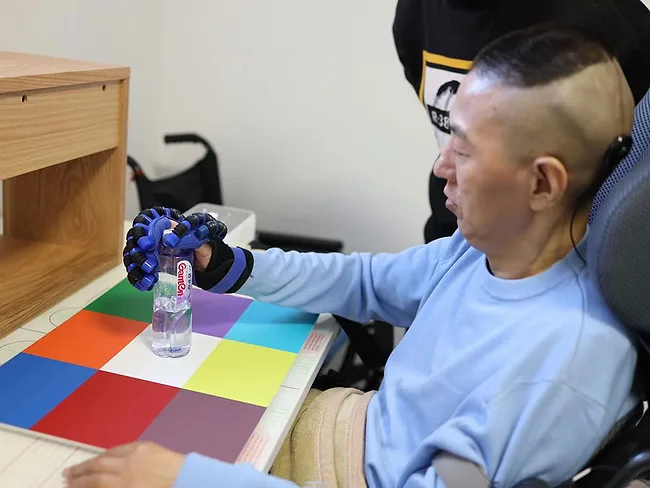
Decades of research are helping unravel the “black box” of the brain. The second article in BioWorld’s series on the Brain-Computer Interface (BCI) field looks at how simultaneous breakthroughs in AI technology are pushing the BCI field from a theoretical concept to a potential real-world, clinical option for individuals, particularly in China where the National Medical Products Administration greenlighted the world’s first invasive BCI system – Neuracle Medical Technology Co. Ltd.’s Neural Electronic Opportunity – for clinical use in March 2026.
 RSS
RSS