Biopharma financings from January through September 2025 totaled $47.1 billion, a sharp decline from 2024’s $86.7 billion during the same period and well below the highs of 2020 and 2021. The slowdown was driven largely by weaker follow-on activity, which brought in $12.9 billion compared to more than $40 billion last year.
Takeda Pharmaceutical Co. Ltd. is exiting all work in cell therapies and will seek an external partner to advance the company’s research and clinic-ready cell therapy programs, the company said, noting that it is not currently running any clinical trials using cell therapy technology.
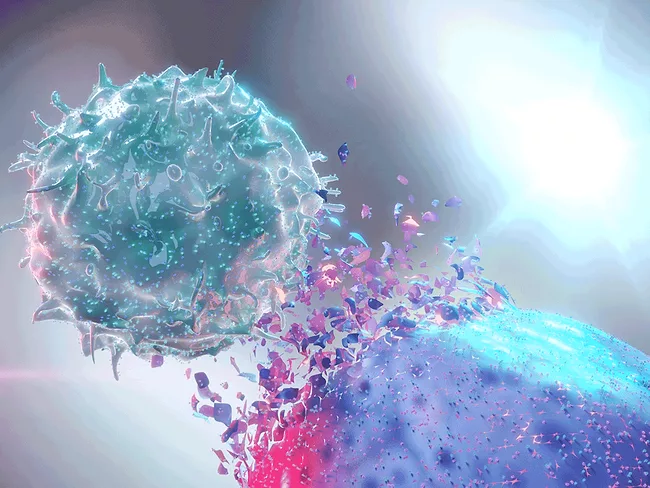
The Nobel Committee announced today that it has awarded the 2025 Nobel Prize in Physiology or Medicine to three scientists for their discovery of regulatory T cells, which are a critical part of the way the body prevents autoimmune attacks.
In August 2025, BioWorld logged 95 clinical trial updates across phases I to III, compared to 140 tracked in July and 254 in June. Among them, 15 phase III studies delivered positive results, while one trial each reported a failure and mixed outcome.
Amyotrophic lateral sclerosis (ALS), formerly known as Lou Gehrig’s disease, is a progressive and fatal neurodegenerative disorder with no known cure. While three therapies have gained U.S. FDA approvals to date, including Rilutek (riluzole), Radicava/Radicava ORS (edaravone) and tofersen (BIIB-067, the lack of a disease-modifying drug has spurred the continual search for novel therapies.
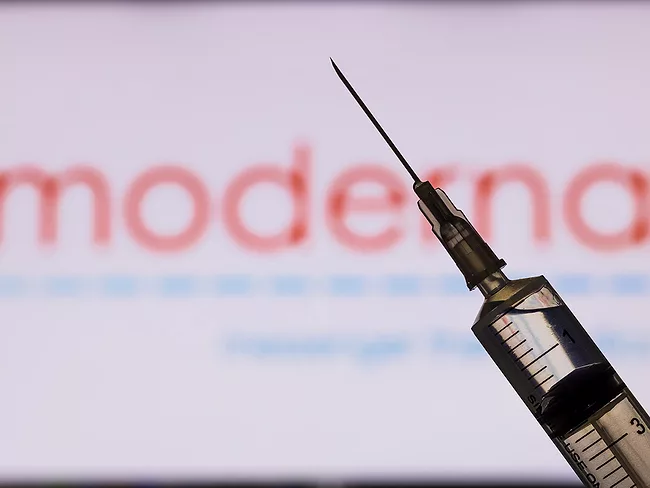
While U.S. policymakers are scaling back funding on mRNA vaccine research, Australia is accelerating investment in the technology. At the center of this effort is Moderna Inc., which is establishing an mRNA research and manufacturing footprint in the country and banking on decades of local expertise to bring new therapies to the clinic and serve as a regional hub for Asia Pacific.
Drug developer stocks rebounded over July and August, with 23 companies on the BioWorld Drug Developers Index posting gains and only seven declining. The two-month upswing marks a reversal from the February-through-June period, when the index remained in the negative.
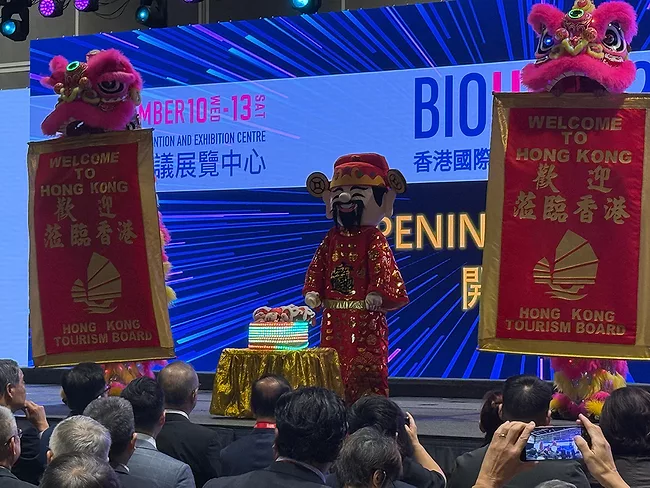
The Hong Kong biotech sector saw record growth this year, expanding 13%, fueled largely by investment in innovation ranging from CRISPR gene editing tools, cell therapies and artificial intelligence in drug discovery, speakers at the BIO Hong Kong conference said Sept. 10.
“The comment I hear a lot from scientists … is that science has no borders,” Arif Noorani, partner at Sidley Austin LLP, said while addressing the panel audience at Asia Bio 2025 in Singapore. “I agree, but the reality is, we do have a lot of borders.”
“New explosions in biotechnology are allowing us to interrogate cancers at a very sophisticated level compared to before,” Dennis Slamon told audience members at the Global Bio Conference in Seoul, South Korea Sept. 3.
 RSS
RSS