Med-tech M&As through the first half (H1) of 2026 reached $75.73 billion in collective value, the highest H1 total since 2022’s $120.4 billion and well above every other year in BioWorld’s records. June contributed $12.21 billion, a rebound from May’s relatively quiet $1.51 billion.
For decades, treatment options for osteoarthritis have followed a familiar path: As cartilage deteriorates and pain worsens, conservative therapies eventually give way to joint replacement surgery. Australian regenerative medicine company Integrant Pty Ltd. wants to change that trajectory. Rather than replacing damaged joints, the Sydney-based company is building a platform designed to regenerate cartilage and preserve joint function by combining biologics, medical devices and artificial intelligence.
Of all the U.S. SEC’s recent proposed rules to make going, and staying, public more attractive, perhaps the most beneficial for biopharma and med-tech startups is the amendment that would give public companies the flexibility to file semi-annual rather than quarterly reports, Ben Bradford, head of external affairs at Massbio, told BioWorld.
After decades of clinical research and false starts, have Brain-Computer Interface (BCI) systems finally arrived? With developments accelerating in the field, BioWorld's special series explores the advancements in the space, looking at the implanted technologies, their potential to transfer care, what’s driving investor interest and the challenges ahead.
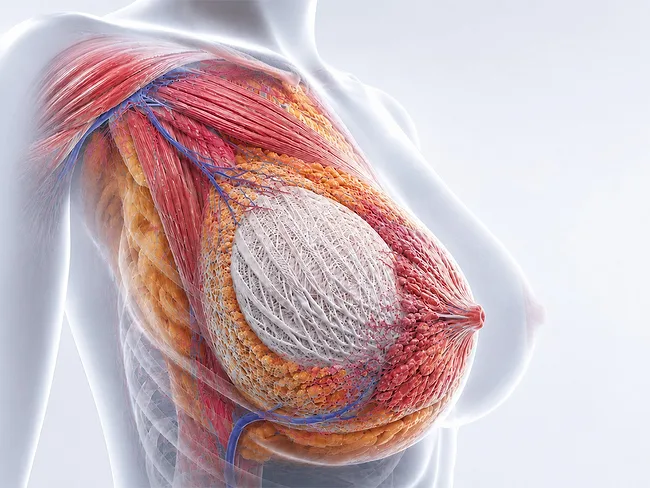
Regenerative medicine company Bellaseno GmbH is accelerating development of its absorbable breast scaffold, with a pivotal Australian trial recruiting faster than expected and a newly announced licensing deal with Johnson & Johnson subsidiary Mentor Worldwide LLC positioning the technology for global commercialization.
Neuracle Medical Technology Co. Ltd. is seeking a Shanghai IPO that could make it China’s first publicly listed invasive brain-computer interface (BCI) company, months after winning approval for the country’s first invasive BCI system.
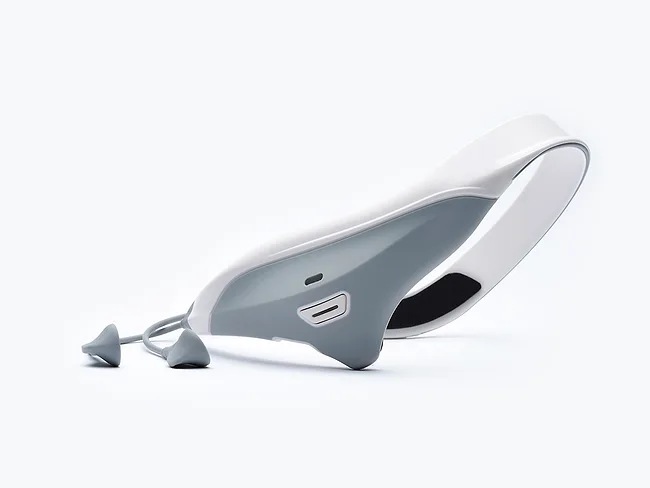
Veterans in the U.S. suffering from post-traumatic stress disorder (PTSD) now have access to Neurovalens Ltd.’s Modius Spero, a wearable neuromodulation device, which can reduce their symptoms in as little as four weeks. The treatment, designed for at-home use of 30-minute daily sessions, was approved for use within the Department of Veterans Affairs after the company secured FDA de novo approval.
Regenerative medicine company Bellaseno GmbH is accelerating development of its absorbable breast scaffold, with a pivotal Australian trial recruiting faster than expected and a newly announced licensing deal with Johnson & Johnson subsidiary Mentor Worldwide LLC positioning the technology for global commercialization.
Neuracle Medical Technology Co. Ltd. is seeking a Shanghai IPO that could make it China’s first publicly listed invasive brain-computer interface (BCI) company, months after winning approval for the country’s first invasive BCI system.

 RSS
RSS