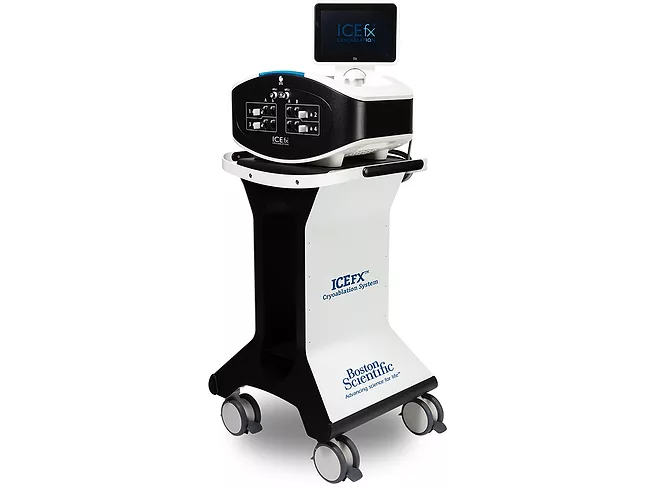
Endogenex Inc. has raised $50 million in an extension to its series C financing round to fund the completion of its pivotal Recet clinical study, which is evaluating the use of the company’s non-thermal pulsed electric field system for remodeling the duodenal tissue in adults with type 2 diabetes. The new capital will also be used to support the company's regulatory pathway toward U.S. FDA approval.
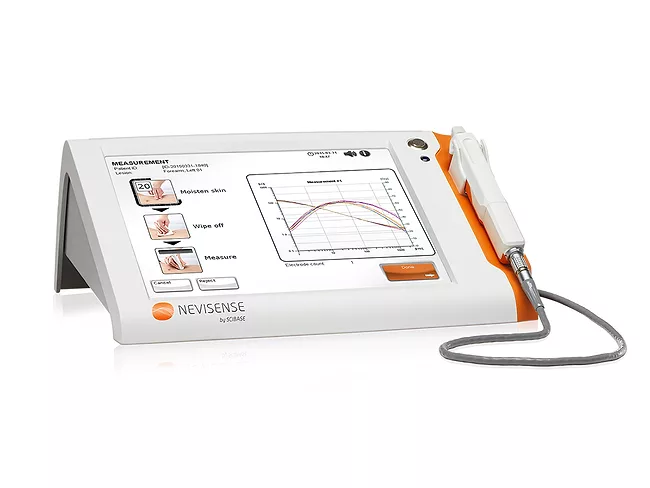
The U.S. FDA has issued a final order to reclassify optical diagnostic devices for melanoma detection and electrical impedance spectrometers from class III to class II, with special controls required.
AI and advanced biotechnology are reshaping South Korea’s med-tech sector, but great technology alone is not enough to build a successful medical device company, speakers said at MedTech Innovator’s Medtech Spotlight: New Impact Korea 2026.
A five-year reauthorization of the U.S. Small Business Innovation Research (SBIR) and Small Business Technology Transfer programs is just the president’s signature, or a few days, away.
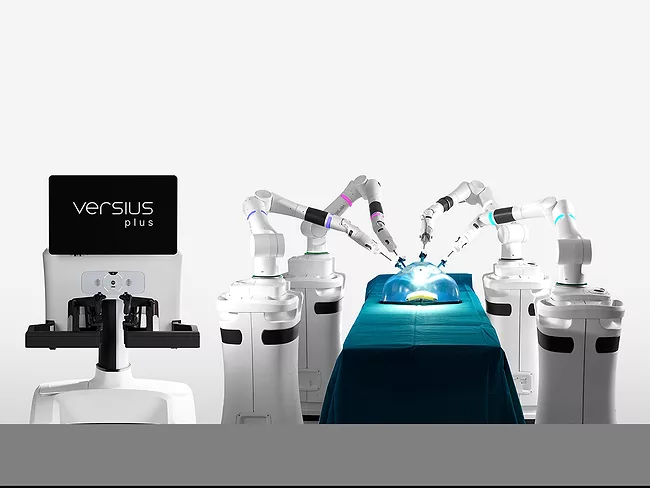
CMR Surgical Ltd.’s participation in Nvidia’s Physical AI health care robotics initiative is expected to accelerate the development of the next generation of intelligent surgical robotic systems powered by data, simulation and AI. As demand for minimally invasive procedures grows, more companies are entering the surgical robotics space.
At BioEurope Spring 2026, pharma representatives and investors shared their thoughts about current and future landscapes of different disease areas, and on how to move toward success – both at the level of individual companies and for indications as a whole.
Insitro Inc. has expanded its strategic collaboration with Bristol Myers Squibb Co. to advance a broadened portfolio of therapeutic programs for amyotrophic lateral sclerosis (ALS).
Crushing the hopes of drug and device companies, the U.S. Supreme Court’s March 23 orders list showed it denied cert in Takeda Pharmaceutical v. Painters & Allied Trades, which sought to rein in the expansion of class action lawsuits.
With incidence of kidney cancer rising in the U.K., the National Institute for Health and Care Excellence (NICE) published its first comprehensive guidelines for diagnosing and treating the disease.
AI and advanced biotechnology are reshaping South Korea’s med-tech sector, but great technology alone is not enough to build a successful medical device company, speakers said at MedTech Innovator’s Medtech Spotlight: New Impact Korea 2026.
 RSS
RSS