Leica Biosystems GmbH, agreed to buy Statlab Medical Products in a move that will strengthen parent company Danaher Corp.'s diagnostics and anatomical pathology portfolio with a broader range of consumables and instruments. Although the financial terms were not disclosed, RBC Capital Markets analyst Dan Leonard reckoned that the deal could be valued at more than $1 billion.
Abbott Laboratories raised its full-year 2026 adjusted diluted adjusted earnings per share guidance to $5.45 to $5.60, from previous range of $5.38 to $5.58, after a strong performance in the second quarter. Growth was driven by its medical devices business and cancer diagnostic unit.
There is no doubt that investment into women’s health is increasing. According to a new report by W Group, in 2025, $1.55 billion in disclosed equity was raised by 85 women’s health companies, across more than 30 countries. However, challenges remain.
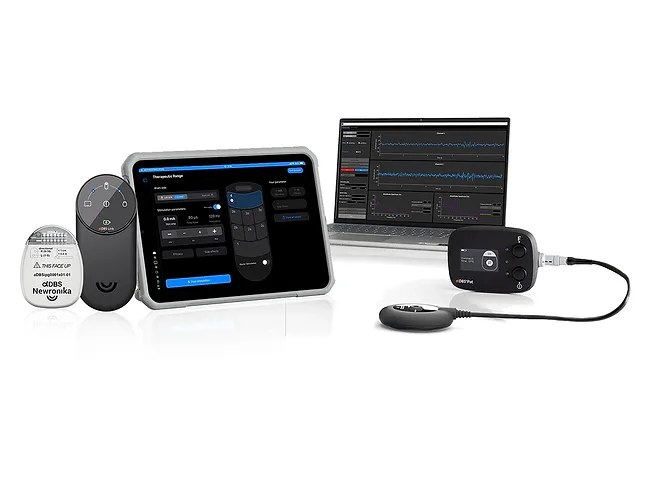
Newronika SpA received CE mark certification for its latest adaptive deep brain stimulation (aDBS) system, which includes the integration of Webbiobank, its proprietary cloud-based neural data platform.
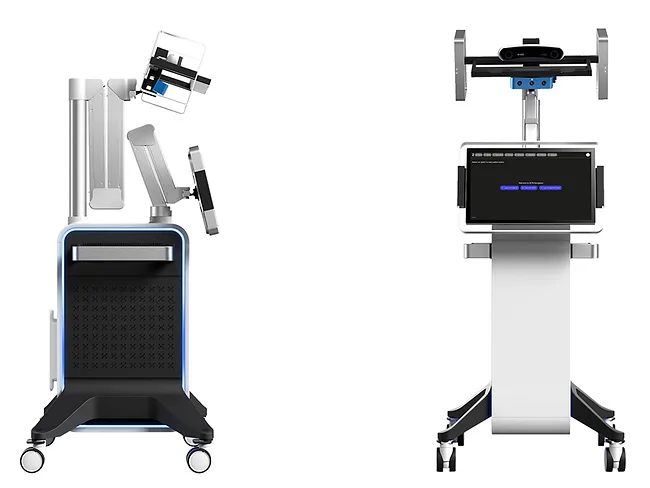
Zeta Surgical Inc. received U.S. FDA 510(k) clearance for its transcranial magnetic stimulation (TMS) robotic system which is designed to support precise and repeatable TMS therapy for patients with treatment-resistant depression.
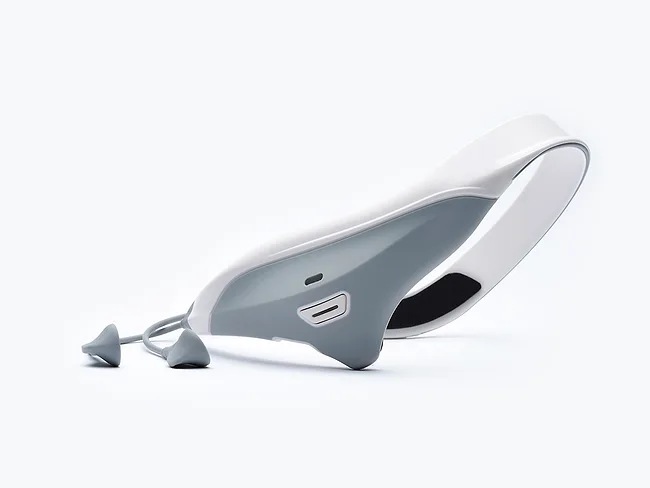
Veterans in the U.S. suffering from post-traumatic stress disorder (PTSD) now have access to Neurovalens Ltd.’s Modius Spero, a wearable neuromodulation device, which can reduce their symptoms in as little as four weeks. The treatment, designed for at-home use of 30-minute daily sessions, was approved for use within the Department of Veterans Affairs after the company secured FDA de novo approval.
Zimmer Biomet Holdings Inc.’s deal to buy Pacira Biosciences Inc.’s Iovera system for up to $140 million and Eurobio Scientific SA’s acquisition of Caredx Inc.’s lab products business for $171.2 million are symptomatic of a broader trend among med-tech and diagnostics companies using targeted acquisitions to strengthen specific areas of their portfolio.
AI, data and wearable technologies are transforming health care, giving patients greater access to information about their health and enabling faster, more responsive clinical trials, Anthony Costello, CEO of Medidata Solutions Inc., told BioWorld. As more people use wearable devices to monitor their health, they are increasingly able to react to those insights, while pharmaceutical companies are gaining a clearer picture how patients respond to treatments during clinical trials.
Roche Holding AG is looking to take a share of Illumina Inc.’s dominance in the gene sequencing market with the launch of Axelios 1, its next-generation sequencing (NGS) platform designed for accuracy, speed, flexibility, scalability and cost efficiency. The move signals a potential shift in the sequencing landscape as the technology aims to address critical bottlenecks in genomics.
Ready or not, the future has arrived. Novel AI and brain-computer interface (BCI) systems are no longer confined to the realm of science fiction. As an increasingly intertwined human-machine model moves closer to adoption in real-world clinical and military practice, technological advances are sparking concerns over public health, ethics and national security.