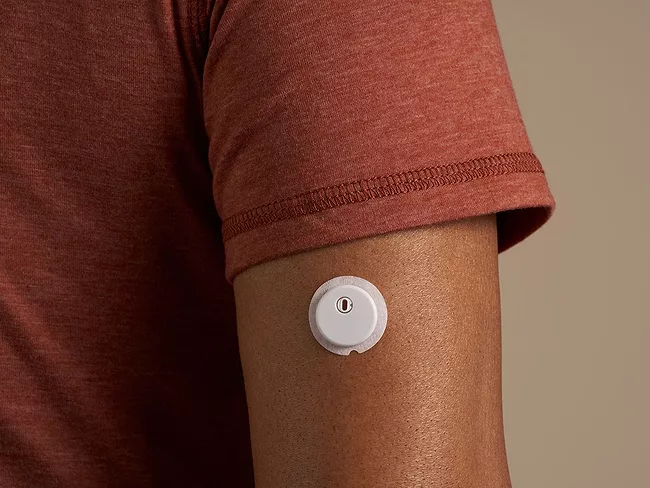
Abbott Laboratories received CE mark approval for two dual glucose and ketone sensing systems, bringing to the market sensors that could be transformational to the lives of people with diabetes at risk of diabetic ketoacidosis.
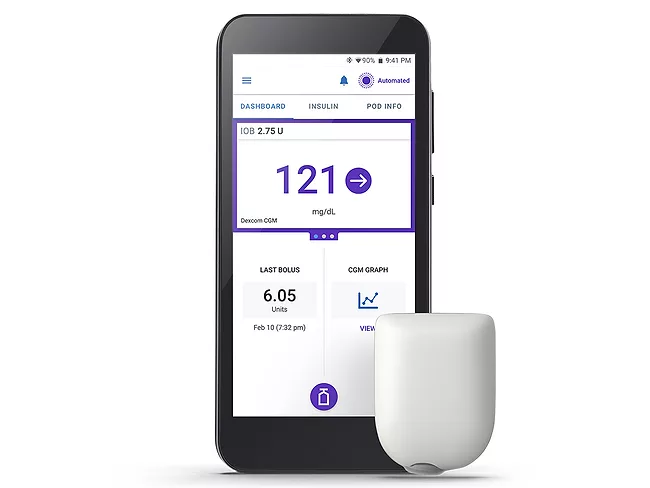
Insulet Corp. has initiated a voluntary medical device correction affecting insulin pump pods in its Omnipod product lines after discovering a manufacturing issue that could lead to the leaking of insulin and the under-delivery of doses in some patients. The company said that some pods from specific lots may have a small tear in the cannula.
Medtronic plc is strengthening its pain management portfolio with its $650 million move to buy SPR Therapeutics Inc. and bring the company’s peripheral nerve stimulation system for sustained pain relief into its neuromodulation offering. The deal marks Medtronic’s third tuck-in deal so far this year, following its $585 million purchase of Cathworks Ltd. and $550 million acquisition of Scientia Vascular Inc., and is also a sign of the momentum in M&A activity in the medtech sector with other players making strategic acquisitions.
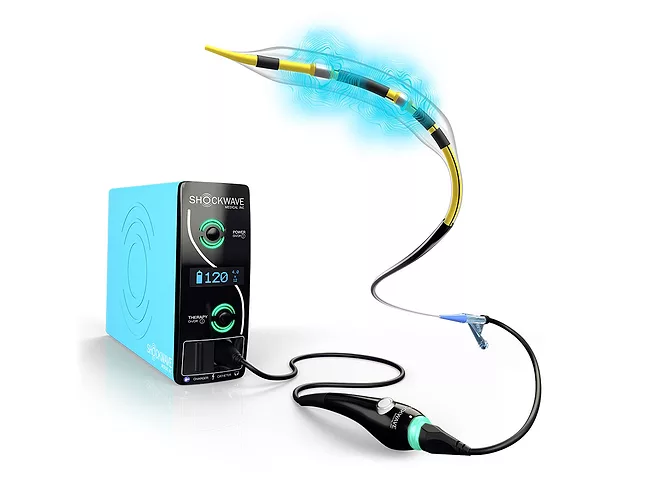
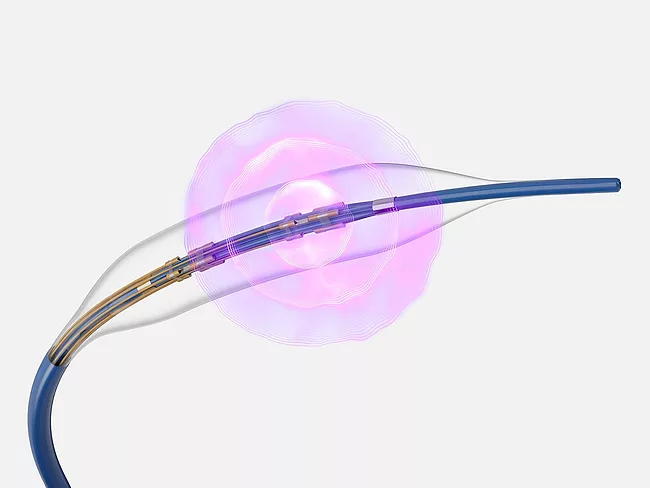
As interests and competition in the intravascular lithotripsy (IVL) market heats up, Shockwave Medical Inc. said it believes that its latest coronary IVL catheter, the C2 Aero, and other projects in the pipeline, will help it to maintain its leadership in calcium modification.
A subgroup analysis of data from Boston Scientific Corp.’s Champion-AF trial, which looked at the outcomes for patients with atrial fibrillation treated with a left atrial appendage closure (LAAC) device compared to direct oral anticoagulants (DOACs), found that the efficacy and safety of LAAC compared to DOAC are not affected by age. The data were presented at the EuroPCR conference in Paris.
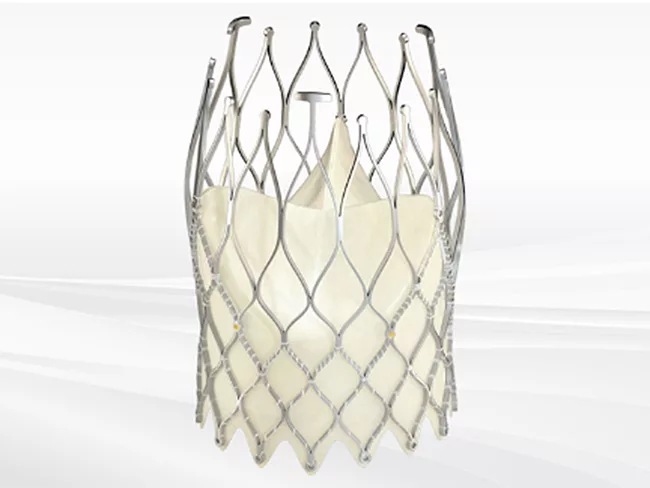
Data from the All Women clinical trial, which looked at the Allegra transcatheter aortic valve replacement (TAVR) system compared to balloon-expandable valves (BEV) in women with aortic stenosis, showed that Allegra delivered lower mean gradients and less prosthesis-patient mismatch than BEVs. The data presented at the EuroPCR conference in Paris was the first randomized head-to-head comparison of different TAVR platforms conducted exclusively in women.
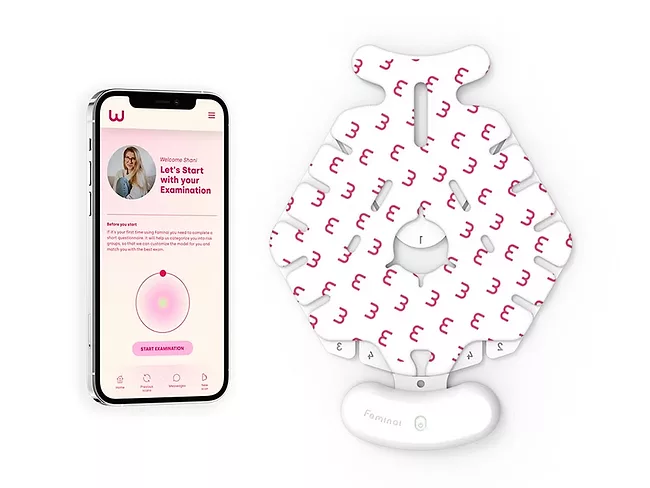
The convergence of robotics, sensors and AI is reshaping how medical devices interact with patients, clinicians and healthcare systems. Across the field, from oncology to cardiology and women’s health, companies are integrating software, connectivity, data analytics and biological information into their products. And although traditional devices, such as screws for orthopedics or valves for cardiology, remain essential, the shift underway is leading to much more personalized medicine, which is more effective and safer, Eran Lerer, managing partner, at Shoni Health Ventures, told BioWorld.
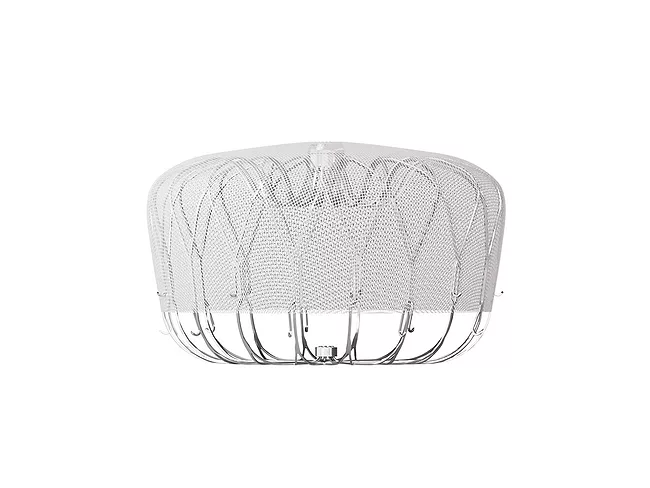
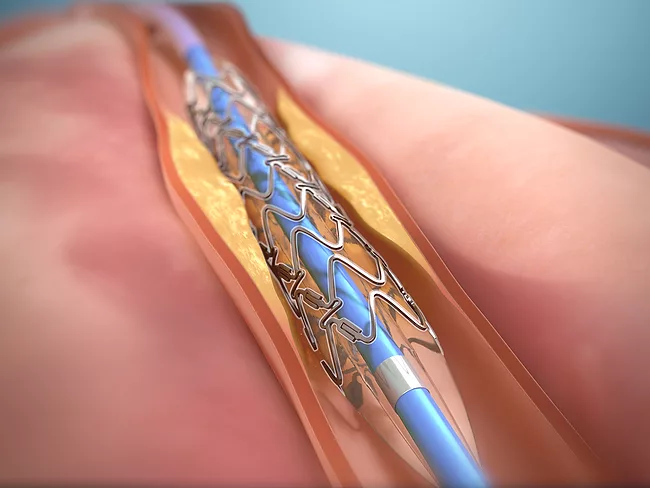
Elixir Medical Corp. reported four-year data from the Bioadaptor randomized controlled trial presented at the EuroPCR conference in Paris, which showed that patients with coronary artery disease treated with its Dynamx coronary drug-eluting bioadaptor system experienced significantly lower event rates compared to those treated with Medtronic plc’s Resolute Onyx drug-eluting stent, including reduction in cardiovascular death.
Boston Scientific Corp. reported positive results from the Fracture investigational device exemption trial which evaluated its Seismiq 4CE coronary intravascular lithotripsy (IVL) catheter in patients with severely calcified coronary artery disease. Late-breaking data presented at the EuroPCR conference in Paris showed that the pivotal study met its primary safety and effectiveness endpoints, with high rates of freedom from major adverse cardiac events at 30 days and strong procedural success.
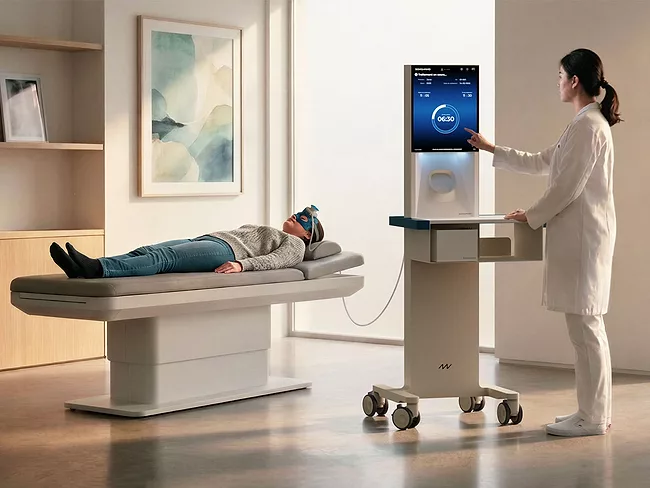
Sonomind SAS raised €20 million (US$23 million) in a series A funding round for its ultrasound-based neuromodulation technology for depression. The funds will be used for clinical trials of the non-invasive device, which uses a custom-made acoustic lens to precisely target deep regions within the brain to bring relief to patients suffering from treatment-resistant depression.