Med-tech companies with an AI component in their solutions will certainly find investors willing to back them. AI after all, is being used to develop more effective, smarter technologies. However, investors will only deploy capital into innovations that address genuine clinical needs. The aging population is driving interest in devices targeting cardiovascular and musculoskeletal disorders, and other solutions geared toward neurological conditions, women’s health and diagnostics are also attracting investor attention.
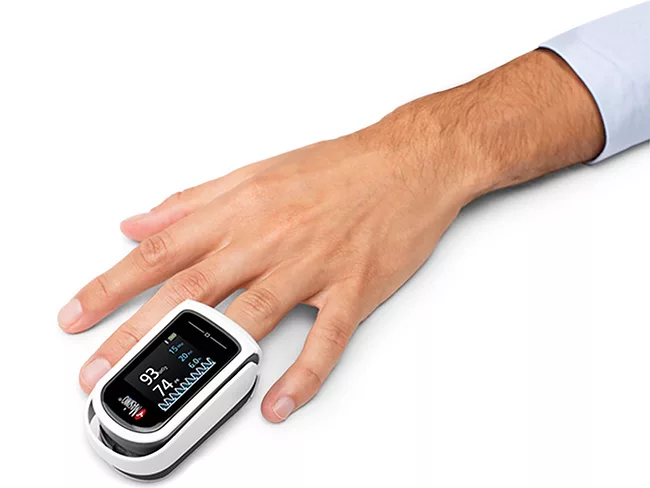
Danaher Corp. agreed to acquire Masimo Corp. for $9.9 billion in a move to strengthen its diagnostics business. Under the terms of the agreement, Danaher will acquire all the outstanding shares of Masimo for $180 per share in cash, representing a 38.3% premium to Masimo’s last closing price.
Calla Lily Clinical Care Ltd.’s strategic collaboration with Merck KGaA to support the development of Callavid, its intravaginal drug delivery platform, is a “huge validation” of the work the company is doing, Lara Zibners, co-founder and chairman of Calla Lily, told BioWorld.
Med-tech companies looking for capital will have to work harder this year to attract investor attention. Even though investment firms have money to deploy, the capital will go toward more targeted opportunities and later-stage companies. For early stage med tech, 2026 is expected to be a tough year, which is raising concerns about the pipeline of innovative technologies in the long term.
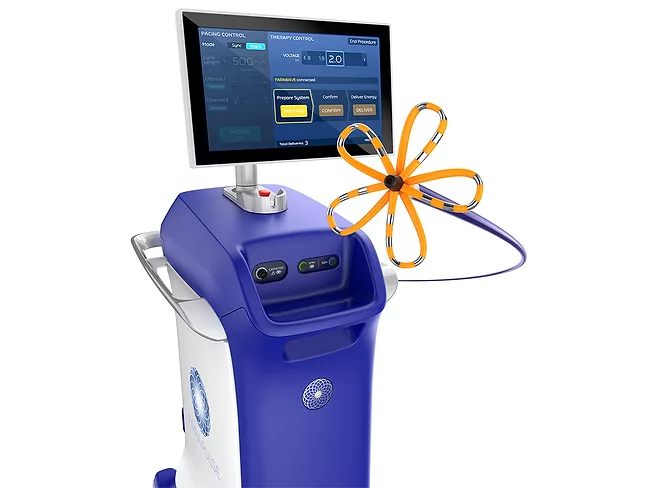
Boston Scientific Corp. recently reported new four-year data on its Farapulse pulsed field ablation platform, which demonstrated that patients with paroxysmal atrial fibrillation achieved better long-term success than those treated with thermal ablation. The data come as sales of the Farapulse system in the U.S. have begun to slow amid rising competition from other PFA technologies, particularly Medtronic plc’s Affera platform.
Sava Technologies Ltd. reported positive clinical data showing that its multi-molecule biosensor technology can reliably monitor glucose levels beneath the skin in real time.
Global investors in med tech are confident about exit opportunities in the year ahead. The strategics have already started making acquisitions, the IPO window – which reopened last year – is expected to remain active, and the investment firms have companies in their portfolios that are well-positioned for exit. With fundamentals in the sector still robust, 2026 is expected to reward companies that deliver clear clinical value.
A jury in a U.S. District Court unanimously found that Medtronic plc violated federal and state antitrust laws relating to its blood sealing surgical devices and must pay $382 million in damages to Applied Medical Resources Corp.
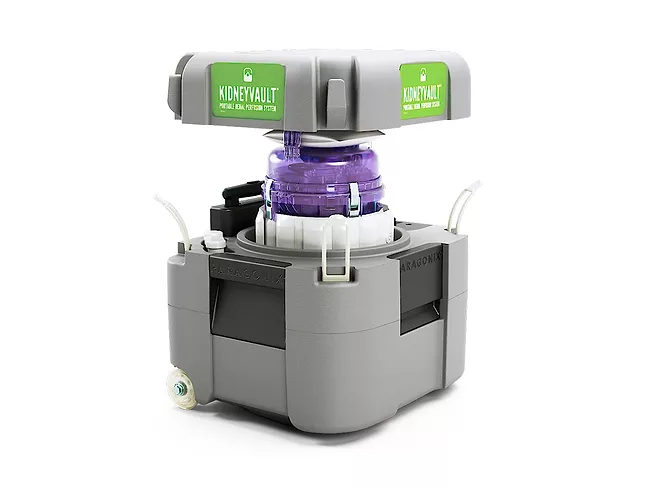
Paragonix Technologies Inc.’s Kidneyvault portable renal perfusion system managed to preserve and enable the reallocation of a donor kidney for more than 29 hours, despite prolonged ischemic time, multiple handoffs and two commercial flights. Throughout the period, the Kidneyvault maintained stable hypothermic preservation, preventing the organ from being discarded and allowing it to be transplanted into a patient.
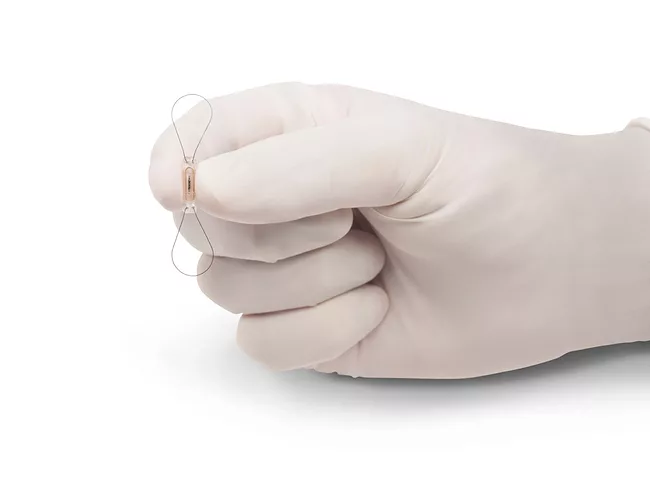
The U.K.’s National Institute for Health and Care Excellence (NICE) has recommended the use of Abbott Laboratories’ Cardiomems HF system, giving people living with heart failure an option to monitor their condition daily from home. The implantable wireless sensor could transform care for individuals with the chronic condition as it will enable them to catch early warning signs before they escalate to medical emergencies.