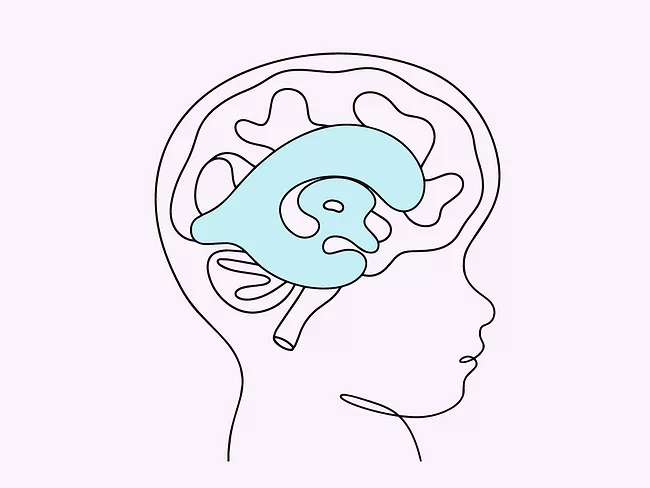
Researchers from McGill University and collaborating institutions aimed to investigate whether oligonucleotides are a viable drug class to prevent hydrocephalus.
Researchers at Daping Hospital in China have reported that liver-targeted delivery of the APOE3-Christchurch (APOE3Ch) variant, a rare protective form of apolipoprotein E, can indirectly reduce brain pathology, highlighting the therapeutic potential of peripheral approaches to Alzheimer’s disease.
A group led by researchers at Boston Children’s Hospital established a scalable and reproducible model of paclitaxel-induced axon degeneration and neurotoxicity in human induced pluripotent stem cell (iPSC)-derived sensory neurons.
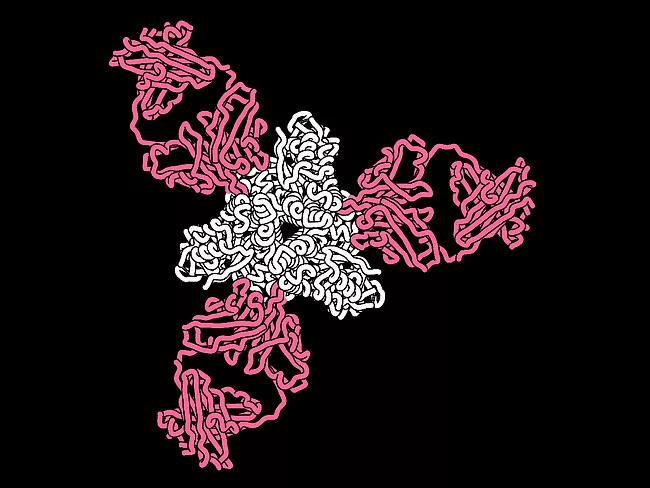
Scientists at the La Jolla Institute for Immunology have identified and characterized human antibodies that neutralize the measles virus by blocking its entry into the cell. This is the first time that antibodies have been shown to bind effectively to two essential viral proteins, creating a dual blockade that prevents infection. Unlike the current vaccine, which is based on an attenuated virus and is not recommended for immunocompromised individuals, these monoclonal antibodies could be used both as a new vaccine approach and as a treatment for the entire population.
Apertura Gene Therapy LLC and the TSC Alliance have established a collaboration to advance gene therapy programs designed to treat tuberous sclerosis complex (TSC).
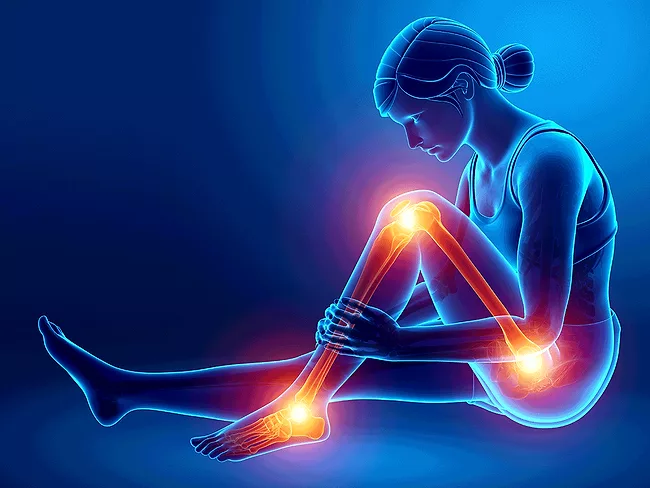
Researchers from Alzecure Pharma AB and collaborators reported preclinical efficacy data on ACD-137, a selective negative allosteric TrkA modulator in models of peripheral neuropathy and osteoarthritis.
Elaaj Bio, a wholly owned subsidiary of the nonprofit Loulou Foundation, has entered into a partnership with Viralgen Vector Core SL to advance a gene therapy program for CDKL5 deficiency disorder.
Quiver Bioscience Inc. has received a multi-year grant from the National Institutes of Health (NIH) to advance its lead Nav1.7-targeted antisense oligonucleotide (ASO), QV-2421, through IND-enabling studies and first-in-human trials for chronic neuropathic pain.
 RSS
RSS