Pancreatic ductal adenocarcinoma (PDAC) is still a highly lethal cancer with limited therapeutic options. Its lethality mainly stems from activating KRAS mutations and a metabolic dependence on nicotinamide adenine dinucleotide (NAD). Researchers from Remedy Plan Inc. have presented data on RPT-E-037, which exerts dual targeting of NAD metabolism through Nampt inhibition and KRAS signaling inhibition using a pan-RAS inhibitor (RMC-6236).
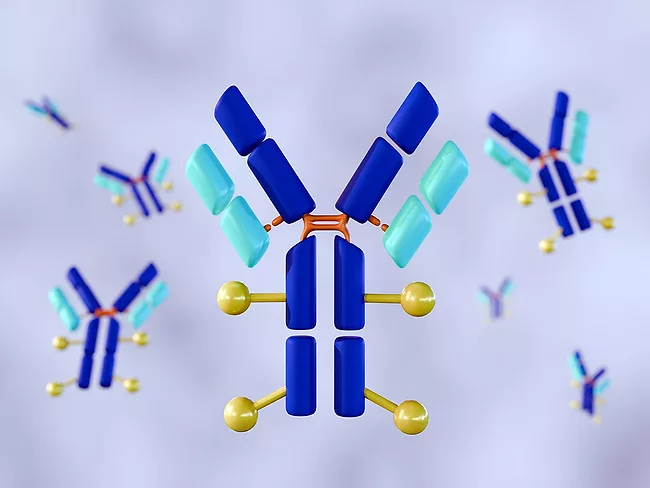
Antibody-drug conjugates (ADCs) with a dual payload, which deliver two distinct cytotoxic agents via a single antibody, are emerging therapeutics developed to address the limitations of classic ADCs. Primelink Biotherapeutics (Shenzhen) Co. Ltd. recently presented data for their dual-payload ADCs, highlighting PLB-015, which carries a TOP1 inhibitor and an ATR inhibitor with an anti-HER2 antibody and is designed to inhibit the DNA damage response activated by cancer cells when harmed.
Transforming acidic coiled-coil-containing protein 3 (TACC3) is a core member of multiprotein complexes that regulate microtubule- and centrosome-related processes. Its aberrant expression is found in several cancer types with poor prognosis, thus highlighting it as a candidate therapeutic target. Researchers from Beijing Konruns Pharmaceutical Co. Ltd. have presented data for KC-1101, a TACC3 inhibitor for treating aggressive cancers with centrosome amplification.
Ubiquitin carboxyl-terminal hydrolase 1 (USP1) is a synthetic lethality target in cancers with high replication stress, such as tumors with BRCA gene mutations or homologous recombination deficiency (HRD). Targeting USP1 has emerged as a promising approach to overcome resistance observed in BRCA/HRD-driven tumors. Aigen Sciences Inc. developed and presented data for AIG-07025, a potent and selective USP1 inhibitor.
Werner syndrome helicase (WRN), belonging to the RecQ helicase family, represents a synthetic lethal vulnerability in MSI-H cancers, providing a strong rationale for therapeutic inhibition. Researchers from Simcere Zaiming Pharmaceutical Co. Ltd. reported the discovery and preclinical characterization of ZMS-4084, a novel WRN inhibitor.
Ensem Therapeutics Inc. has presented data for ETX-929, a small-molecule, oral pan-KRAS inhibitor with potent ON and OFF dual-state inhibitory activity for both wild-type and mutant KRAS.
Work at Blueprint Medicines Corp. to identify a selective and potent CDK4 degrader led to the identification of BLU-448, with minimal activity against CDK6 for treating HR+/HER2- breast cancer.
Resistance to microtubule-targeting agents such as taxanes and vinca alkaloids is often driven by drug efflux and changes in tubulin behavior. Targeting the colchicine-binding site provides an alternative strategy that may circumvent these resistance mechanisms.
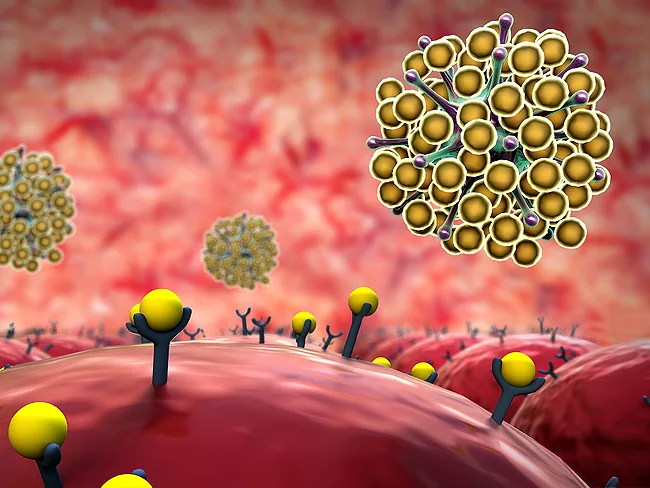
Mesothelin (MSLN) is a highly expressed protein in several cancer types but with limited expression in normal tissues. Simcere Pharmaceutical Co. Ltd. has presented preclinical data on the characterization of SCR-A019, an antibody-drug conjugate (ADC) carrying a topoisomerase 1 inhibitor payload and an antibody that binds to membrane Mesothelin (MSLN) over soluble MSLN and has shown robust antitumor efficacy in several cell-derived xenograft models.
HEC Pharma Co. Ltd. recently presented HEC-201625, a small-molecule PD-L1 inhibitor for cancer immunotherapy that blocks the PD-1/PD-L1 signaling pathway. HEC-201625 was tested in vitro and in vivo in MC38 syngeneic murine model, as well as in xenograft A375 and NCI-H358 models.