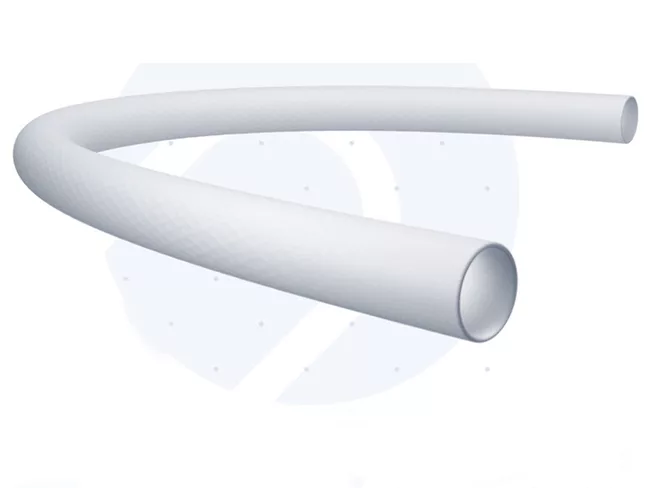
Xeltis BV has secured CE mark approval for Axess, its restorative vascular access conduit for hemodialysis. The company also released 12-month data from its EU pivotal trial on the technology, which showed strong durability outcomes, including 79% secondary patency and a very low patency‑related reintervention rate of 1.3 per patient-year, as well as a substantial reduction in infection burden.
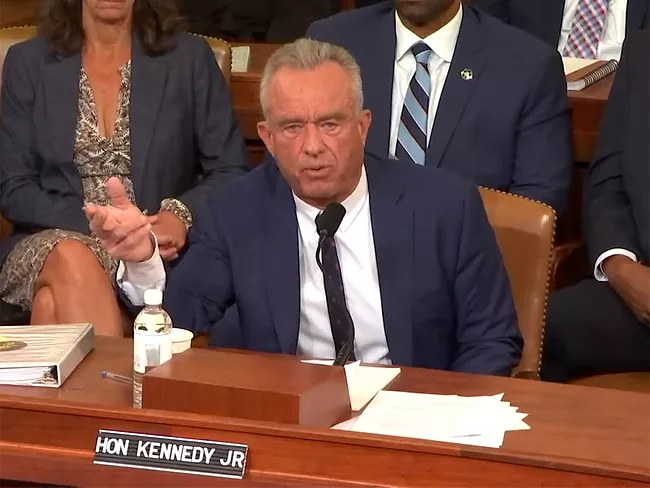
U.S. Health and Human Services (HHS) Secretary Robert Kennedy made his first stop April 16 on a congressional tour in support of President Donald Trump’s proposed fiscal 2027 budget, which would reduce discretional spending for HHS and its agencies by about 12%.
Despite key vacancies, ongoing staffing challenges and policy issues at the U.S. CDC, FDA and NIH, some of the regulatory churn that roiled those agencies in the first year of the second Trump administration is settling a bit, at least in terms of the number of executive orders (EOs) coming out of the Oval Office.
Alivecor Inc. has secured CE marking for its Kardia 12L electrocardiogram (ECG) system, which is powered by its KAI 12L AI technology and can detect life-threatening cardiac conditions. Kardia 12L is a portable, AI-guided, 12-lead ECG solution that delivers measurements and interpretations similar to standard 12-lead ECG solutions, right at the point of care. The company said the simplified design will enable faster acquisition of complete ECG data while leading to better patient outcomes.
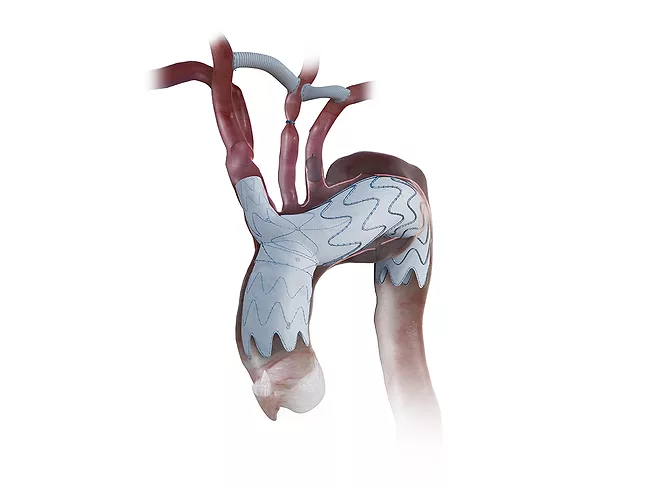
Endospan Ltd. Secured U.S. premarket approval for its Nexus aortic arch stent graft, bringing the company closer to being acquired by Artivion Inc. Under the terms of an existing agreement, Artivion has an option to acquire Endospan at any time within 90 days of the FDA approval.
The U.S. FDA issued a warning letter to Medline Inc. having identified several issues with its Namic brand angiographic control syringes and manifolds used for the intra-arterial or intravenous administration of radiographic contrast media. The agency warned the company that failure to promptly address the violations identified in the letter may result in regulatory action being initiated, including seizure, injunction and civil money penalties.
The U.S. confirmed the agreement in principle made last December to exempt U.K. pharmaceuticals from import tariffs, as the U.K government put its commitment to spend more on patented drugs into effect.
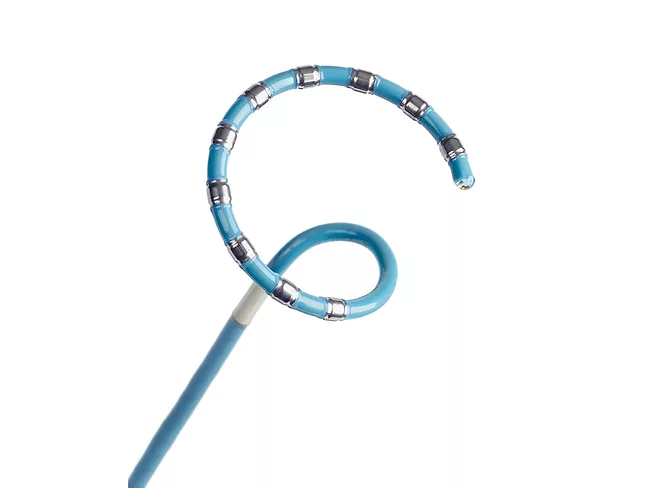
Johnson & Johnson launched its latest pulsed field ablation (PFA) catheter, Varipulse Pro, in Europe following CE mark approval, bringing another option to electrophysiologists looking to adopt PFA technology. The system features a new pulse sequence with a lower temperature profile and enables ablation that is five times faster than the previous sequence, while achieving equivalent lesions. It represents another significant development in the rapidly evolving PFA market that has transformed cardiac ablation treatment.
Don’t like a court order? Sidestep it. That seems to be the idea behind U.S. Health and Human Services Secretary Robert Kennedy’s latest changes to his renewal of the charter for the CDC’s Advisory Committee on Immunization Practices (ACIP).
Seeking to increase their understanding of the opportunities and challenges of using digital health technologies (DHTs) in drug trials, the U.S. FDA’s CBER and CDER are requesting public feedback to help inform new guidance as the technologies continue to advance.
 RSS
RSS