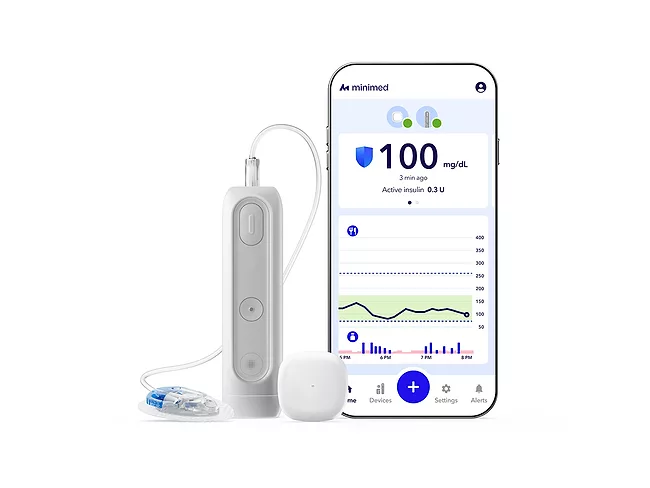
Minimed Group Inc. secured U.S. FDA approval for Minimed Flex, its next-generation discreet, smartphone-controlled insulin pump. The nod from the FDA follows the company’s debut on Nasdaq March 6. About half the size of the Minimed 780G pump and roughly the size of two stacked insulin vials, the screenless pump was designed in collaboration with people living with diabetes to offer a more intuitive, lifestyle‑friendly way to manage the condition.
Roche Holding AG received CE Mark approval for its Elecsys Apolipoprotein E4 (ApoE4) biomarker test, an in vitro diagnostic immunoassay to identify the ApoE4 gene variant from a blood sample. With APOE4 considered as the strongest genetic risk factor for developing Alzheimer’s disease, the test provides a fast, reliable way to determine whether an individual carries the genetic variant without the need for DNA‑based genotyping.
Stryker Corp. is scrambling to recover from a cyberattack that’s disrupting its global network and being claimed by pro-Iranian hackers. “At this time, there is no indication of malware or ransomware, and we believe the situation is contained to our internal Microsoft environment only,” the Kalamazoo, Mich.-based med-tech company said March 12.
The Advanced Research Projects Agency for Health (ARPA-H) launched its Delphi program March 10 to advance the development of the next generation of wearable and ingestible biosensors that can securely report deep biological data to optimize health care.
The U.S. FDA has begun moving its patchwork of adverse event (AE) reporting systems into a single, intuitive AE platform that will cover all its centers.
China’s National Medical Products Administration has approved Asieris Pharmaceuticals Co. Ltd.’s cold light photodynamic drug-device combination product, Cevira (APL-1702, hexaminolevulinate hydrochloride), which is used as a nonsurgical therapy for treating patients with cervical intraepithelial neoplasia grade 2.
The K-health MIRAE Initiative, also known as Korean ARPA-H, announced plans to allocate about ₩162 billion (US$110 million) in nine new projects over the next five years, with a focus on strengthening national health security.
The U.S. FDA released an early alert March 10 regarding the rupturing or bursting of certain Erbe USA Cryoprobes when they’re activated. Meanwhile, the company is voluntarily recalling the affected Erbe Flexible Cryoprobes, which use extreme cold and cryoadhesion for procedures such as the removal of blood clots, necrotic tissue, and tissue tumors and biopsies.
Patrick Cassells, of Fulshear, Texas, was sentenced March 6 to more than seven years in prison and ordered to pay more than $25 million in restitution and forfeiture after he pleaded guilty nearly two years ago to one count of health care fraud that involved the three durable medical equipment companies he owned and operated.
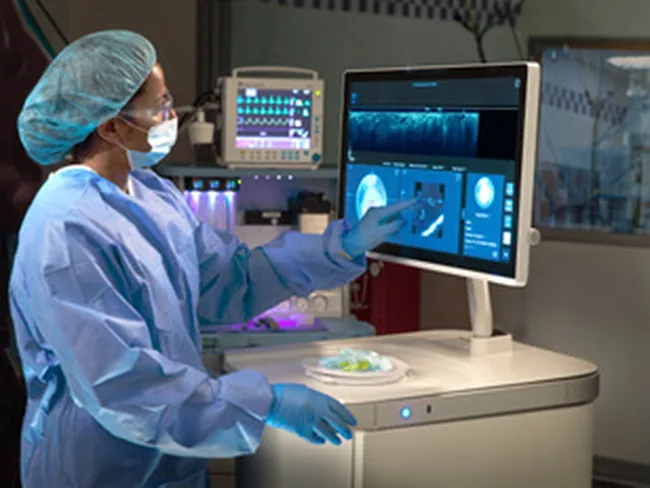
Perimeter Medical Imaging AI Inc. secured FDA premarket approval for Claire, its AI-powered imaging device which detects difficult-to-see cancer during breast-conserving surgery. Claire combines AI with wide-field optical coherence tomography to provide surgeons with high-resolution, real-time views of excised tumor margins, to reduce the need for re-operations.
 RSS
RSS

-biomarker-test.webp?height=488&t=1773783523&width=650 "Elecsys Apolipoprotein E4 (ApoE4) biomarker test")