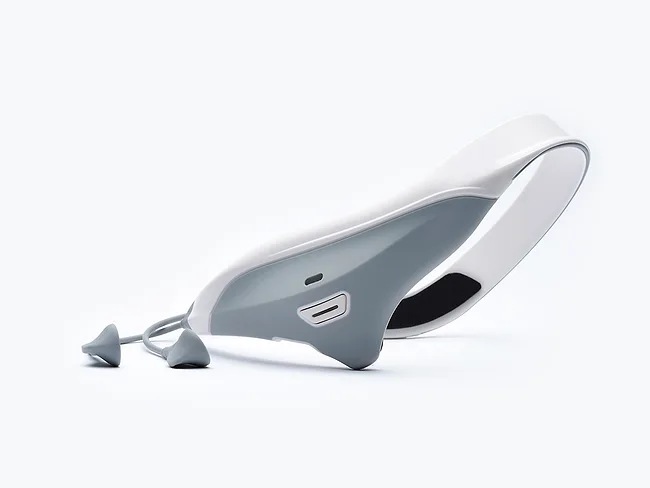
Veterans in the U.S. suffering from post-traumatic stress disorder (PTSD) now have access to Neurovalens Ltd.’s Modius Spero, a wearable neuromodulation device, which can reduce their symptoms in as little as four weeks. The treatment, designed for at-home use of 30-minute daily sessions, was approved for use within the Department of Veterans Affairs after the company secured FDA de novo clearance.
Regardless of whether the Republicans or Democrats come out on top in November’s midterm congressional elections, some of the state primaries in the U.S. have already guaranteed major shuffles in key House and Senate committees overseeing national health issues.
Ready or not, the future has arrived. Novel AI and brain-computer interface (BCI) systems are no longer confined to the realm of science fiction. As an increasingly intertwined human-machine model moves closer to adoption in real-world clinical and military practice, technological advances are sparking concerns over public health, ethics and national security.
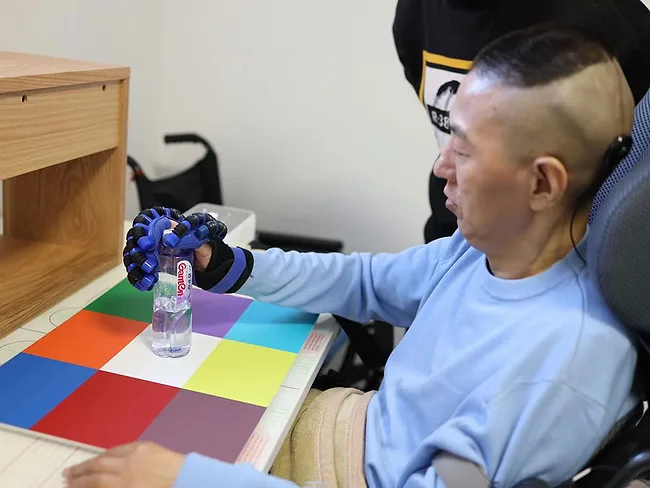
Decades of research are helping unravel the “black box” of the brain. The second article in BioWorld’s series on the Brain-Computer Interface (BCI) field looks at how simultaneous breakthroughs in AI technology are pushing the BCI field from a theoretical concept to a potential real-world, clinical option for individuals, particularly in China where the National Medical Products Administration greenlighted the world’s first invasive BCI system – Neuracle Medical Technology Co. Ltd.’s Neural Electronic Opportunity – for clinical use in March 2026.
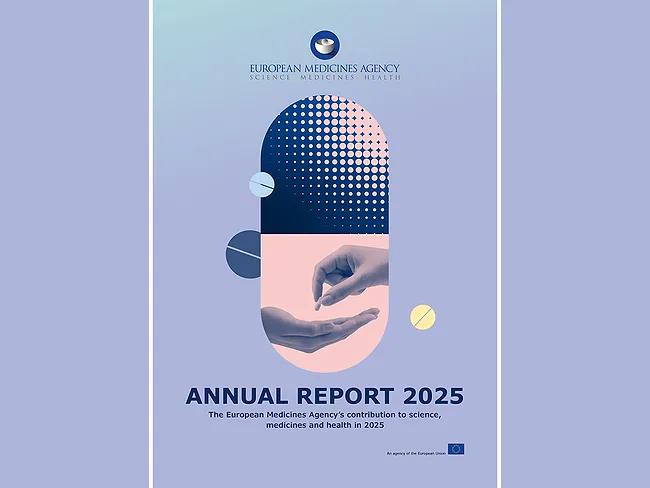
The EMA’s 2025 annual report highlights the pressure it is under to streamline and simplify assessment processes, and the expanded – and explicit – role the agency now has in boosting the competitive position of the EU in the development and manufacturing of drugs.
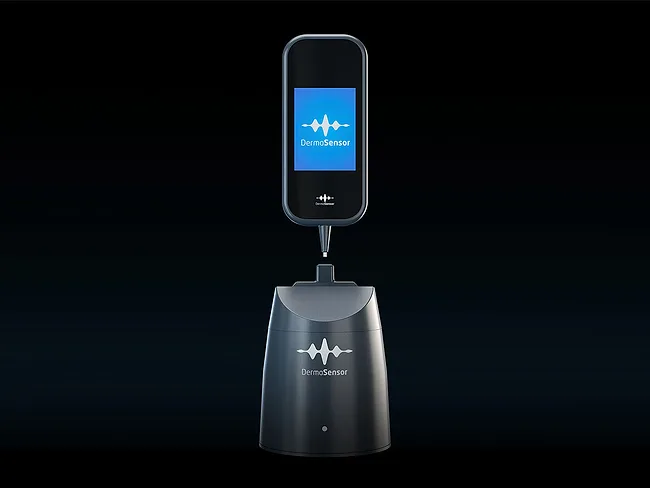
Dermasensor Inc. received CE mark approval for its handheld skin cancer detection device using spectroscopy and AI to test suspicious skin lesions for cancer in real time at the point of care. The device is designed to help qualified healthcare professionals decide whether suspicious skin lesions need further investigation. With skin cancer rates rising, the Dermasensor joins several other AI-based tools entering the European market to help with the analysis of suspicious lesions.
Rather than reinventing the wheel for every gene therapy that uses genome editing, the U.S. FDA is advising sponsors on leveraging existing knowledge, be it publicly available or platform-based, to more efficiently advance their products across multiple stages of development.
The Trump administration’s efforts to ensure U.S. federal grants align with its policies may soon be coming to fruition. The White House Office of Management and Budget released a proposed rulemaking to revise its Guidance for Federal Financial Assistance.
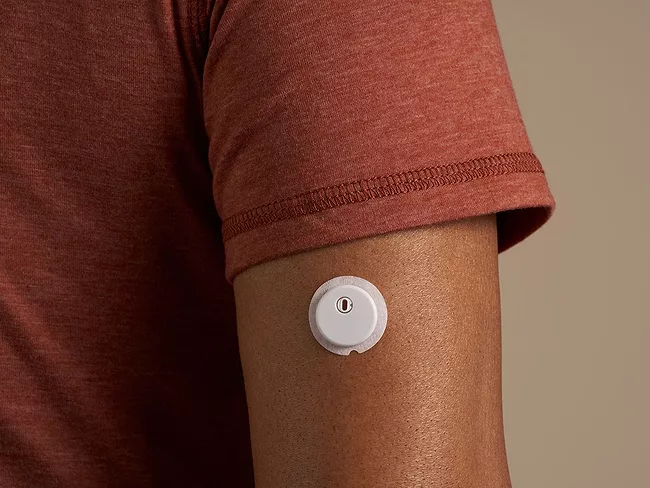
Abbott Laboratories received CE mark approval for two dual glucose and ketone sensing systems, bringing to the market sensors that could be transformational to the lives of people with diabetes at risk of diabetic ketoacidosis.
The short story of the U.S. Court of Appeals for the Federal Circuit’s May 19 opinion in Recor Medical Inc. v. Medtronic Ireland is that the lower court got it wrong when it ruled Medtronic lacked the required standing to bring an infringement countersuit against Recor because it had granted an exclusive license for products covered by the two asserted patents. The case was reversed and remanded.
 RSS
RSS