The U.S. FDA has endorsed ISO 14971 for risk management for medical device manufacturers, but there’s nothing compulsory about industry’s use of this standard. Nonetheless, Sarah Moore, principal program lead at NSF, told BioWorld that adoption of 14971 is still the most seamless way to demonstrate proper risk management practices to FDA field investigators, given that the alternative is almost always more work for both sides during facility inspections.
The U.S. FDA’s Jan. 14 webinar for the new Quality Management System Regulation included some fairly predictable content, but one member of the FDA staff mentioned that the agency now expects corporate management to demonstrate the correct “attitude” with regard to product quality, suggesting that agency staff will be more keen to crack down on firms that dispute the agency’s perspectives on quality management.
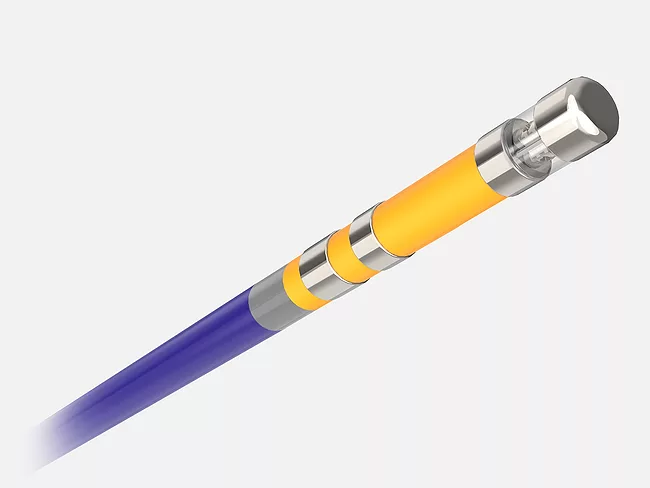
Boston Scientific Corp.'s Farapoint, its latest pulsed field ablation catheter, received U.S. FDA approval for use as an adjunctive device when treating persistent atrial fibrillation that requires cavotricuspid isthmus ablation, CEO Mike Mahoney reported at the J.P. Morgan Healthcare Conference in San Francisco. The newest member of the popular Farapulse family of PFA catheters provides a focal point option for creation of straight line or focal lesions, complementing the larger, single-shot Farawave catheter that has dominated the PFA market since its U.S. approval in early 2024.
The FDA’s Center for Devices and Radiological Health has withdrawn its December 2017 final guidance for clinical evaluation of software as a medical device, a development that seems to align with recent relaxation of digital health product regulation, but which might also be seen as the consequence of an ill-advised case of regulatory copy and paste.
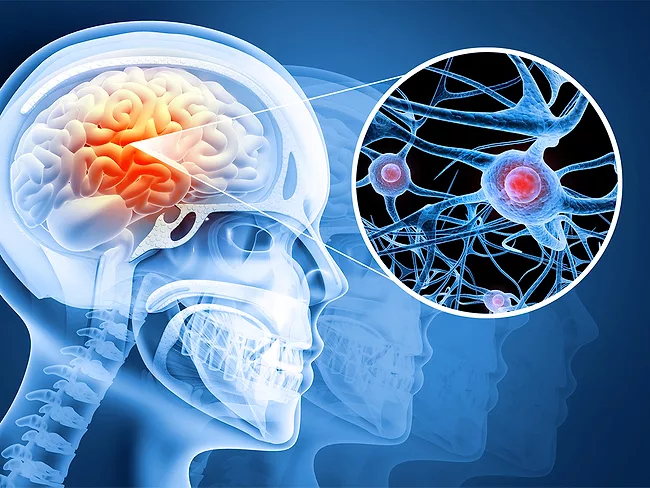
For individuals with major depressive disorder (MDD) that does not respond to pharmacotherapy, recent decisions by the U.S. FDA enabling at-home use of neuromodulation devices may provide a bright spot in dark days. Neurolief Ltd. received FDA premarket approval for Proliv Rx, a physician-directed, brain neuromodulation therapy indicated for use as an at-home adjunctive treatment for adults with MDD who failed to respond adequately to at least one previous antidepressant on Jan. 7. That decision follows the December 510(k) clearance for at-home use of the Flow brain-stimulation device by Flow Neuroscience AB as either a monotherapy or as an adjunctive treatment.
The U.K. Medicines and Health Care Products Regulatory Agency provided an update of its guidance for clinical investigations for medical devices and is offering a temporary waiver of the fees for registration of clinical studies to small manufacturers.
The COVID-19 pandemic amplified concerns over medical device shortages, prompting the U.S. FDA to develop guidance on the topic in November 2023. Australia’s Therapeutic Goods Administration is eyeing a guidance to address the very same problem, although the agency seems wary of whether to formally develop a guidance on device shortages.
Generative AI has largely escaped the U.S. FDA’s regulatory purview up to now, but OpenAI seems poised to create a new source of regulatory angst for the agency. The company unveiled its ChatGPT Health Jan. 7, a large language model that when used professionally could land the company in the FDA’s regulatory crosshairs.
Beginning Jan. 1, 2026, China will apply provisional import tariff rates lower than the most-favored-nation rates on 935 items, the State Council announced. The move aims to boost collaboration between domestic and international sectors, and to leverage resources of both to expand the supply of high-quality goods.
The U.S. FDA’s reissuance of the 2019 guidance for general wellness products seems to carve out new territory for makers of wearables that make modest claims regarding health, but anyone who was expecting a clear break with the 2019 version of the guidance was almost certainly disappointed.
 RSS
RSS