Tissium SA secured €60 million (US$68 million) in a financing package, which includes €30 million in a series D2 round and a €30 million facility from the European Investment Bank. The funds will be used to support the company's commercial and clinical activities, as well as its pipeline development and expansion of its platform technology, which removes the need for sutures and leads to better nerve repair.
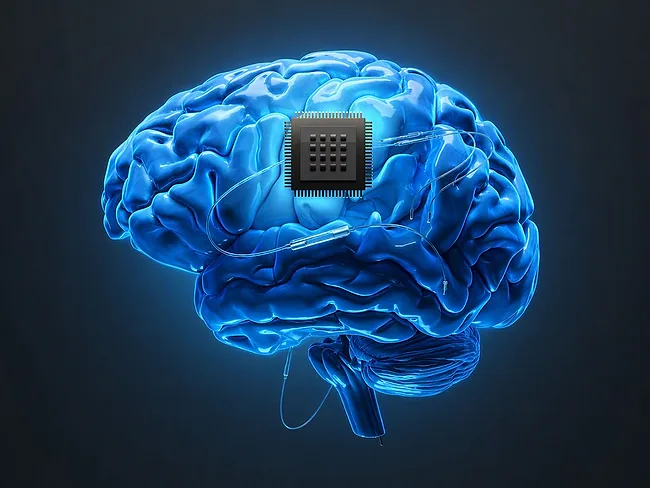
The field of BCI is continually evolving; as such, companies are increasingly highlighting the potential of their technologies to transform care. For advanced players, with fully developed BCI systems, the sector is approaching an inflection point as the technology transitions from early feasibility studies into pivotal trials. The focus now for many is on generating the long-term safety, efficacy and real-world usability data needed to support regulatory approval and broader clinical adoption.
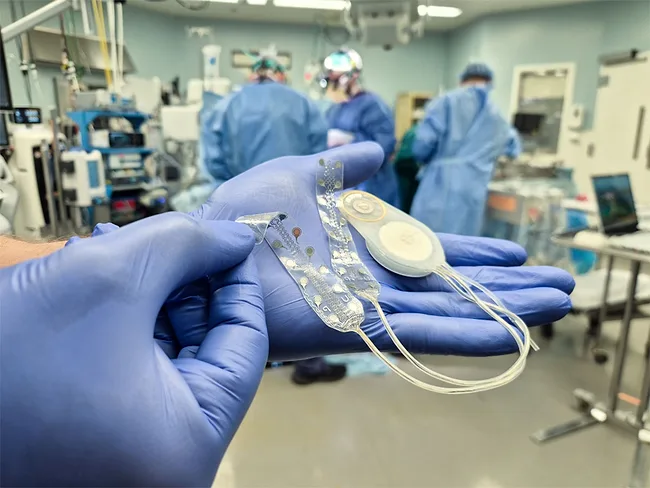
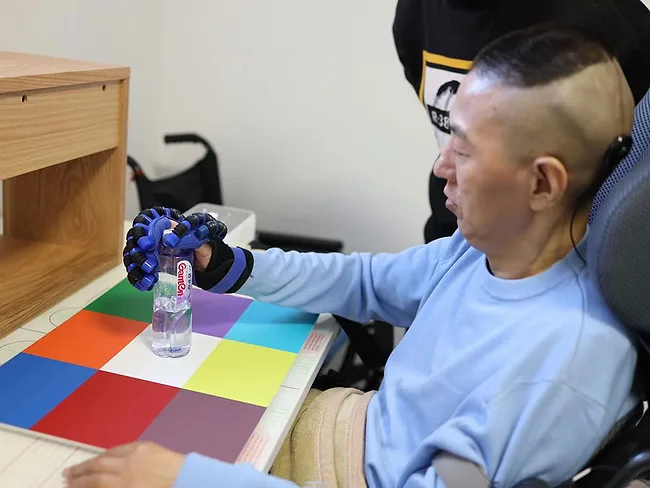
Decades of research are helping unravel the “black box” of the brain. The second article in BioWorld’s series on the Brain-Computer Interface (BCI) field looks at how simultaneous breakthroughs in AI technology are pushing the BCI field from a theoretical concept to a potential real-world, clinical option for individuals, particularly in China where the National Medical Products Administration greenlighted the world’s first invasive BCI system – Neuracle Medical Technology Co. Ltd.’s Neural Electronic Opportunity – for clinical use in March 2026.
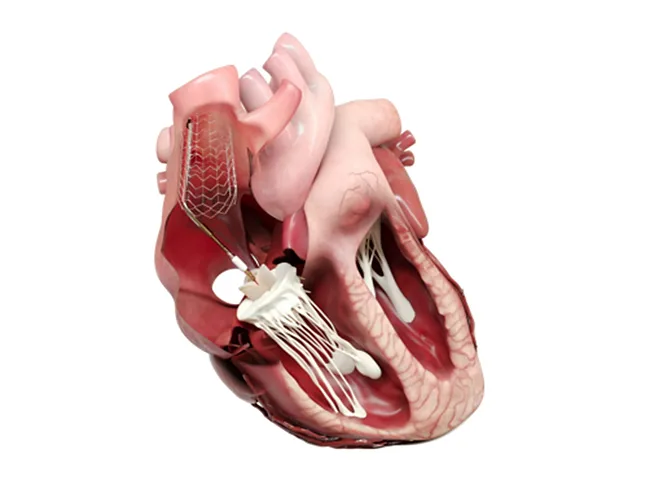
Croívalve Ltd. secured a further $20 million in series B financing for its Duo Adapt system, a transcatheter device that treats tricuspid regurgitation. The company also received $7 million from the European Innovation Council and the Disruptive Technologies Innovation Fund in grant financing. Croívalve will use the funds to expand its clinical study, which is evaluating the safety and performance of the Duo Adapt system in patients with severe or greater symptomatic tricuspid regurgitation.
Matricelf Ltd. has initiated a pivotal IND-enabling efficacy study evaluating its engineered human neural tissue implant for the treatment of chronic spinal cord injury.
More and more individuals now have chronically implanted brain-computer interface (BCI) systems in their heads. Devices that can record and stimulate neural signals are increasingly moving from labs to real-world settings to test their potential to treat neurological disorders. At the same time, startups are emerging, investors are pouring money into the space and companies are accelerating their development programs. After decades of clinical research and false starts, are BCI systems finally here?
Med-tech M&A value through the first five months of 2026 reached $62.98 billion, the highest total for the period since 2022’s $84.13 billion and a dramatic step up from 2025’s $22.4 billion and 2024’s $21.86 billion over the same stretch.
For the long-term impact of GLP-1 therapies in obesity to be realized, they must be paired with data and digital tools. While the drugs are effective, challenges are well known, such as loss of muscle mass loss, compliance and accessibility. With more treatments moving through the pipeline, innovation and technology will be key to supporting long-term use, delegates heard at the HLTH Europe conference in Amsterdam on June 17.
Liability remains one of the biggest barriers to the adoption of AI in healthcare. As more tools get developed for use in clinical settings, a key question persists: Who is ultimately at fault when something goes wrong – the hospital, the clinician or the developer? That uncertainty is making clinicians hesitant to adopt new technologies, delegates heard at the HLTH Europe conference in Amsterdam on June 16.
The EMA’s 2025 annual report highlights the pressure it is under to streamline and simplify assessment processes, and the expanded – and explicit – role the agency now has in boosting the competitive position of the EU in the development and manufacturing of drugs.
 RSS
RSS