Delonix Bioworks Ltd. has obtained IND clearance from China’s National Medical Products Administration (NMPA) for its group B meningococcal (MenB) vaccine candidate, DX-104. This follows the successful completion last month of clinical trial notification (CTN) procedures and ethics committee approval in Australia.
Beijing Innocare Pharma Tech Co. Ltd. has gained IND clearance in China to conduct clinical trials of ICP-538, an orally administered molecular glue degrader targeting VAV1, which is a key protein downstream of T-cell and B-cell receptors. ICP-538 is being studied for the treatment of autoimmune diseases, such as inflammatory bowel disease, systemic lupus erythematosus and multiple sclerosis.
The neural and neuroimmune mechanisms behind myocardial infarction-triggered cardiac events, immune responses and activation of the nervous system remain largely unexplored. The heart and the brain talk to each other in what is known as cardioception. This communication between the two organs is orchestrated through neurons of the vagus nerve or the dorsal root ganglia, among others. Researchers from the University of California, San Diego have now shown that the dynamics of these interactions may play a crucial role in modulating inflammation, repair and cardiac functioning.
A recent publication in Cell Reports Medicine from researchers at the Washington University School of Medicine and the La Jolla Institute for Immunology presents a promising new strategy for H5N1 vaccination.
Third Arc Bio Inc. has closed a $52 million series A extension to advance its pipeline of multifunctional antibodies for a range of oncology and immunology & inflammation (I&I) indications.
Anew Therapeutics Pte Ltd. has synthesized heterocyclic compounds acting as interleukin-17A (IL-17A)/interleukin-17 receptor A (IL-17RA) interaction inhibitors. As such, they are reported to be useful for the treatment of Crohn’s disease, type 1 diabetes, dry eye, multiple sclerosis, myositis, psoriasis, rheumatoid arthritis and vitiligo, among others.
Scientists at Ghent University have created a mouse model that incorporates human versions of the receptors that recognize the fragment crystallizable (Fc) region of immunoglobulin G (IgG), one of the most abundant antibodies in the blood and a key mediator of essential immune functions such as cellular activation, pathogen elimination and the regulation of inflammatory responses. These human Fcγ receptors allow the humanized mouse to more accurately reproduce IgG-driven biology, enabling more reliable and safer preclinical assays before evaluating monoclonal antibodies in clinical trials with people.
Genentech Inc. is paying $200 million up front and up to $1.5 billion in milestone payments to license one of Suzhou Sanegene Bio Inc.’s RNAi programs. Metabolic and autoimmune-focused Sanegene did not disclose specifics around the licensed candidate, except that it was derived from its LEAD (Ligand and Enhancer Assisted Delivery) platform.
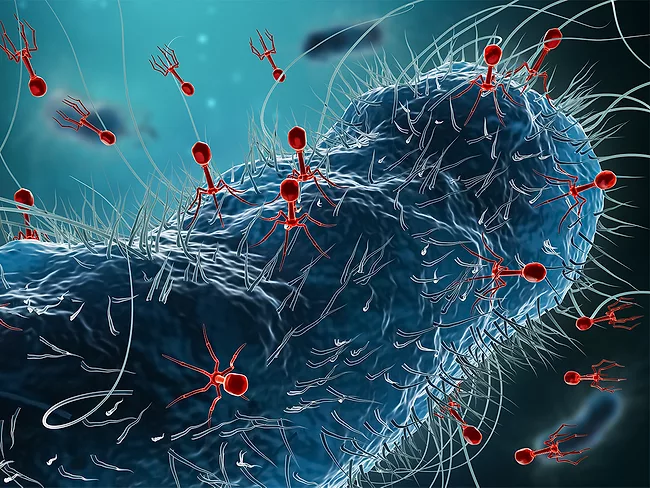
Certain chemical compounds can disable the bacterial immune systems that protect them from viruses, making the bacteria vulnerable to infection. Scientists at Indiana University have discovered a promising compound that works in different types of bacteria and could be used to develop potent and diverse phage therapies against bacterial infections, ultimately giving clinicians more options against antibiotic resistance.
 RSS
RSS






.webp?height=488&t=1750428815&width=650 "Interfering RNA (RNAi)")