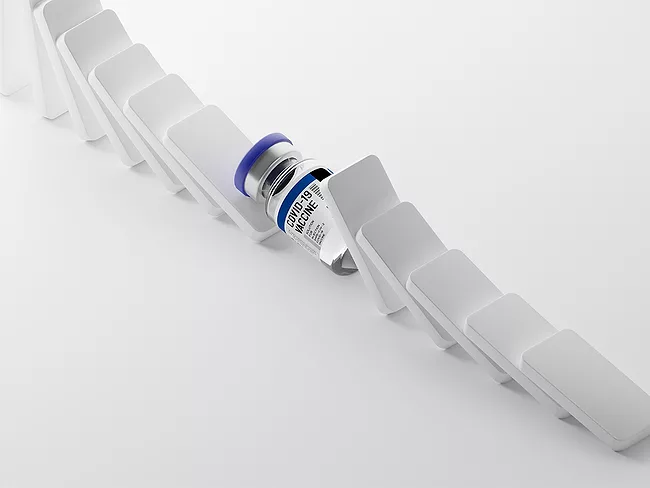
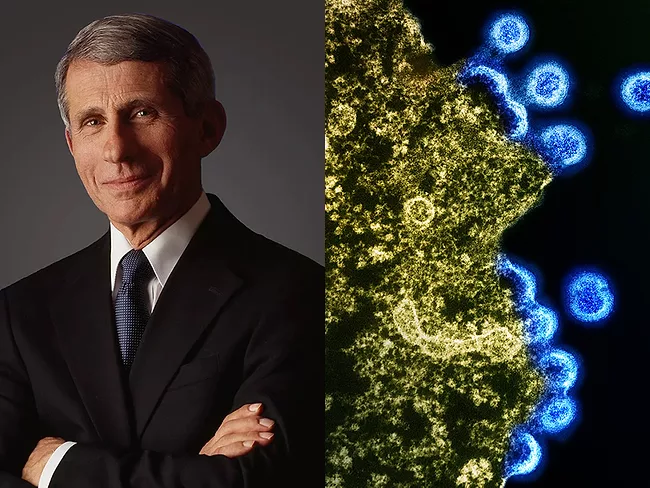
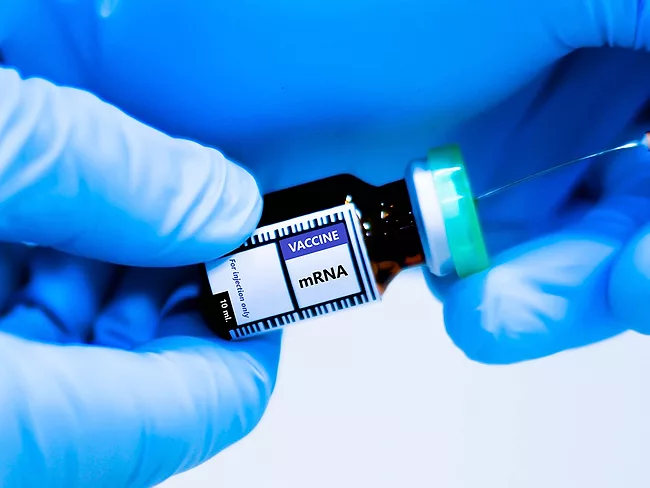
BioWorld’s 2022 end-of-year highlights included a toast to the future – of universal vaccines. Even before SARS-CoV-2 vaccines were developed in record time and saved countless lives during the COVID-19 pandemic, vaccines were a rare bright spot in the fight against infectious diseases. Bacteria are becoming multidrug resistant far faster than new classes of antibiotics are being developed, viral spillover events and vector ranges are increasing, and climate change is helping bacteria and fungi alike breach human thermal protections against infections.
Meta Pharmaceuticals Inc. and Shenzhen Moyuan Pharmaceuticals Co. Ltd. have divulged lactate dehydrogenase A (LDHA) inhibitors reported to be useful for the treatment of autoimmune disorders.
Advances in antiretroviral therapy (ART) now allow people living with HIV to lead normal lives with undetectable and nontransmissible levels of the virus in their blood. Yet that reality is limited to those with access to treatment. More than 40 million people worldwide live with HIV, with over a million new infections and hundreds of thousands of deaths each year, underscoring that major challenges remain.
A team at the University of Macau aimed to develop a novel peptide targeting the tumor necrosis factor (TNF)-TNFR2 interaction as a selective regulatory T cell (Treg) stimulator. Through phage display screening, they identified the peptide UMR2-705 that functions as an agonist that enhances TNF-induced Treg expansion.
Researchers from Aera Therapeutics Inc. reported the preclinical profile of AERA-109, a novel, targeted in vivo CAR T therapy designed to treat B-cell-mediated autoimmune diseases.
Researchers at Changzhou Hengbang Pharmaceutical Co. Ltd., Jiangsu Hansoh Pharmaceutical Group Co. Ltd. and Shanghai Hansoh Biomedical Co. Ltd. have described polypeptides acting as C5a anaphylatoxin chemotactic receptor 1 (C5aR; CD88) antagonists reported to be useful for the treatment of cancer, infections, cardiovascular disorders, endocrine disorders and immunological disorders.
Indupro Inc. has announced a strategic equity investment and research collaboration with Sanofi SA. The agreement with Sanofi includes the right of first negotiation for Indupro’s bispecific PD-1 agonist program.
The cardiomyositis that is a rare adverse effect of mRNA-based COVID vaccines is due to immune cell activity as a result of increased levels of the chemokines CXCL10 and interferon-γ (IFN-γ). Blocking CXCL10 and IFN-γ could prevent muscle cell damage in cell culture, and cardiomyositis in animal models. The findings, reported in the Dec. 10, 2025, issue of Science Translational Medicine, suggest a way of mitigating the risk of cardiomyositis.
Investigators at the Netherlands Hubrecht Institute have developed a novel gut organoid model, and used it to gain insight into the functions on human microfold (M) cells. Their experiments, which were published in the Dec. 10, 2025, issue of Nature, showed that M cells present gluten-derived antigens to T cells, which suggests a role for this cell type in the onset of celiac disease.
A consortium including Korea Disease Control and Prevention Agency (KDCA), International Vaccine Institute (IVI), ST Pharm Co. Ltd. and Seoul National University (SNU) is joining forces with CEPI to advance a new AI-designed mRNA vaccine to protect against tick-borne severe fever with thrombocytopenia syndrome (SFTS) virus, or Dabie bandavirus. CEPI is providing up to US$16 million to the project, led by IVI, to test the vaccine’s safety and ability to generate a suitable immune response in healthy adults in preclinical and phase I/II trials in Korea.
 RSS
RSS