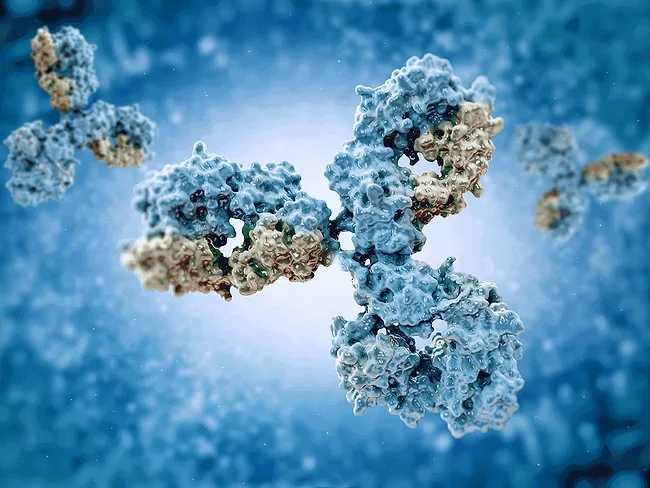
Genentech Inc. is paying $200 million up front and up to $1.5 billion in milestone payments to license one of Suzhou Sanegene Bio Inc.’s RNAi programs. Metabolic and autoimmune-focused Sanegene did not disclose specifics around the licensed candidate, except that it was derived from its LEAD (Ligand and Enhancer Assisted Delivery) platform.
Certain chemical compounds can disable the bacterial immune systems that protect them from viruses, making the bacteria vulnerable to infection. Scientists at Indiana University have discovered a promising compound that works in different types of bacteria and could be used to develop potent and diverse phage therapies against bacterial infections, ultimately giving clinicians more options against antibiotic resistance.
An Anglo-American team of researchers has devised a new computational method for quantifying Epstein-Barr virus (EBV) directly from human genome sequences and used this to identify 22 genes that link higher levels of the virus to a range of chronic diseases. The new method sets the scene for further exploration of biobank DNA sequence data to gain greater understanding of the nature and the role of the human virome, the 10(13) – largely unstudied – viral particles that coexist in humans.
Formation Bio Inc. and Jiangsu Chia Tai Feng Hai Pharmaceutical Co. Ltd. have announced Formation Bio’s acquisition of worldwide rights, excluding Greater China, to FHND-5032, an oral, small-molecule miR-124 activator being developed for the treatment of autoimmune diseases.
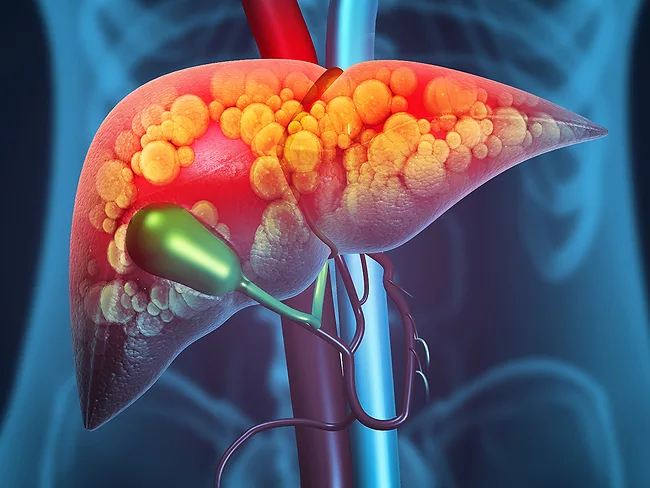
Liver fibrosis in the course of metabolic dysfunction-associated steatohepatitis (MASH) could be significantly reduced using CAR T-cells generated in vivo. Scientists at the Icahn School of Medicine at Mount Sinai have developed an experimental cell therapy that eliminates only one type of liver cell, the stellate cells that express fibroblast activation protein alpha (FAP). This strategy not only reduced fibrosis but also reversed liver damage.
The prevalence of asthma differs between men and women, and furthermore, the difference changes over the lifespan. “Asthma is more common in boys than girls, but more common in women than men,” Clare Lloyd told BioWorld. Females are particularly susceptible to asthma during developmental periods of hormonal changes, also known as puberty, pregnancy and menopause.
Hyperactivity of the transmembrane adaptor protein STING, which normally helps the cell respond to infection and injury, has been implicated in several autoimmune or inflammatory diseases, including systemic lupus erythematosus and amyotrophic lateral sclerosis.
The compound, which showed oral bioavailability of 42.7%, performed similarly well as the licensed drug loratidine in a mouse model of the inflammatory disease allergic rhinitis.
In recent years, messenger RNA (mRNA) vaccines have shown significant success in preventing viral and bacterial infections, as well as in cancer immunotherapy and other disease applications. In particular, the development of lipid nanoparticle (LNP)-encapsulated mRNA has revolutionized vaccine development thanks to several advantages, including elevated immunogenicity, rapid manufacturing and a generally favorable safety profile compared to viral vectors and traditional adjuvant-based vaccines.
Shanghai Henlius Biotech Inc. has entered into an exclusive global license agreement with U-mab Biopharma (Lianyungang) Co. Ltd., securing rights to a monoclonal antibody (mAb) targeting interleukin-1 receptor accessory protein (IL-1RAP) for inflammatory and autoimmune diseases.

 RSS
RSS
.webp?height=488&t=1750428815&width=650 "Interfering RNA (RNAi)")