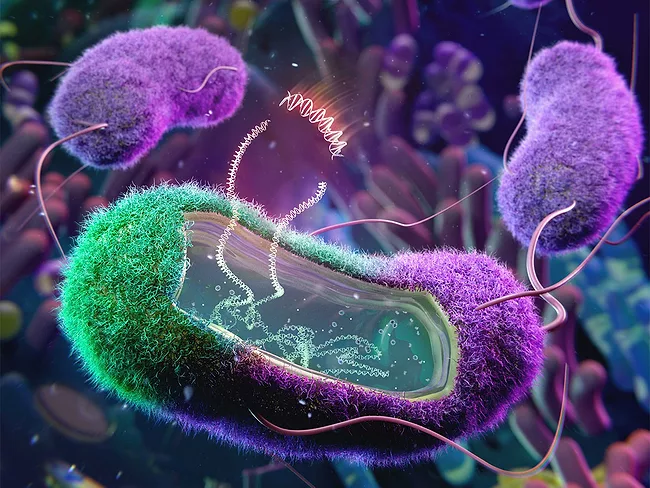
It is known that bacterial cells exchange biological matter, but it is not clear whether bacteria can exchange functional proteins. In a recent paper published in Science on June 25, 2026, researchers from Baylor College of Medicine and their collaborators investigated horizontal protein transfer between bacteria, specifically between protein-donor Escherichia coli and protein-receiving E. coli that could turn into persister cells and tolerate lethal antibiotic doses or a stressful environment.
Schizophrenia (SZ), bipolar disorder (BP), major depression (MDD) and autism spectrum disorder (ASD) are serious mental illnesses (SMIs) that affect a significant proportion of the worldwide population. Large genome-wide association studies have pointed to overlapping genetics including both common and rare variants as cause of these SMIs. A recent study published on June 16, 2026, in Genomic Psychiatry has shed some light regarding the etiology of SMIs.
Shiga toxin-producing Escherichia coli (STEC) represents a public health threat that can lead to serious problems, such as bloody diarrhea and hemolytic uremic syndrome in children in up to 10%-15% of cases. Antibiotics that normally combat diarrhea are not recommended for STEC infections and patients are usually treated only for symptomatology. Now, French researchers from Eligo Bioscience SA and their collaborators have published a paper on a CRISPR-based antimicrobial approach, EB-003.
Shiga toxin-producing Escherichia coli (STEC) represents a public health threat that can lead to serious problems, such as bloody diarrhea and hemolytic uremic syndrome in children in up to 10%-15% of cases. Antibiotics that normally combat diarrhea are not recommended for STEC infections and patients are usually treated only for symptomatology. Now, French researchers from Eligo Bioscience SA and their collaborators have published a paper on a CRISPR-based antimicrobial approach, EB-003.
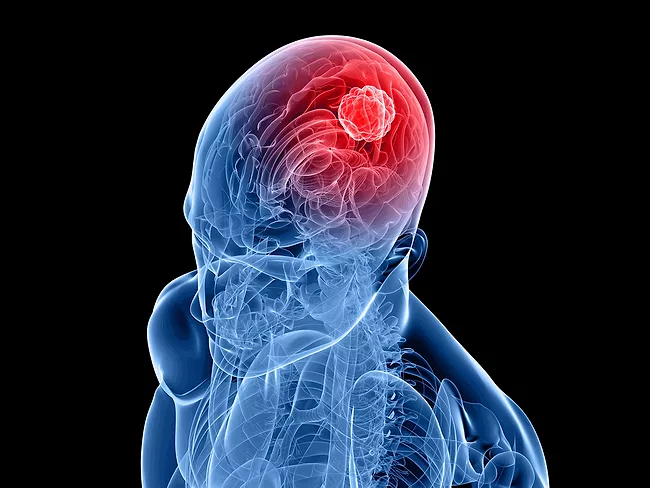
Far beyond indications like breast cancer, there are sex differences in incidence across a broad range of tumor types. Particularly in glioblastoma, there is a clear male-biased incidence compared to females. The mechanisms that drive this difference are not well understood, buy may include an androgen-related immune response. Recent evidence suggests a key role for androgens in antitumoral immunity and their impact on the response to immune checkpoint inhibitor therapy.
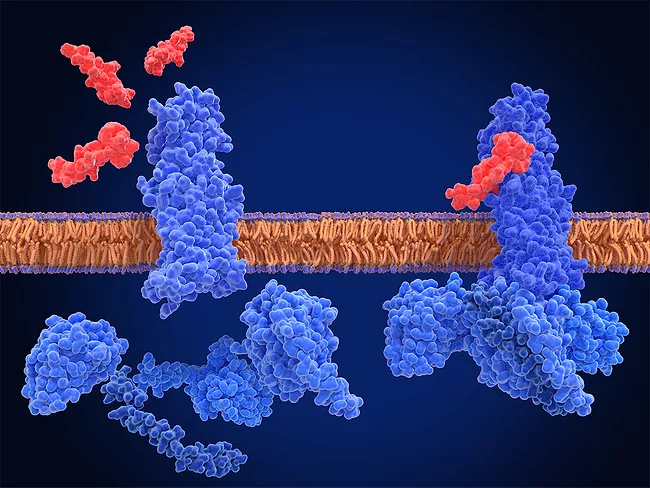
The development of glucagon-like peptide 1 receptor (GLP-1R) agonists, such as semaglutide and tirzepatide, has been a game changer in the clinical management of overweight and obesity, but there is interpersonal variability in efficacy of these medications for weight loss, as well as in the incidence of undesired side effects. Investigators from the 23andMe Research Institute have shed some light on how variations in the GLP-1R and GIP receptor (GIPR) genes impact their effectiveness and the occurrence of side effects.
Drugs that mimic GLP-1 are widely used to treat diabetes and obesity, but it is not fully understood exactly how they produce many of their beneficial effects. Investigators from The Salk Institute for Biological Studies published a paper in Proceedings of the National Academy of Sciences shedding some light on the mechanisms. “Understanding this process more clearly could help researchers design the next generation of GLP-1-based treatments that are even more precise and effective,” first author Sam Van de Velde told BioWorld.
In an article published in Cell Host & Microbe on March 3, 2026, researchers at McMaster University in Canada and at the Hospital Universitario de La Princesa in Spain have shed some light on the impact of microbiota on peanut-driven allergy and anaphylaxis.
In an article published in Cell Host & Microbe on March 3, 2026, researchers at McMaster University in Canada and at the Hospital Universitario de La Princesa in Spain have shed some light on the impact of microbiota on peanut-driven allergy and anaphylaxis.
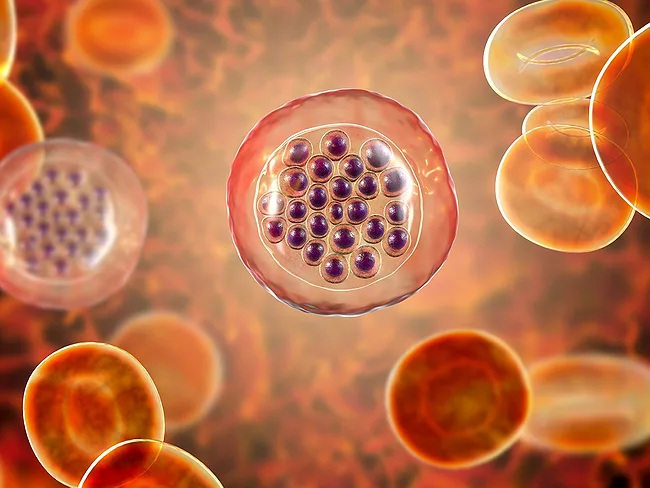
Researchers from the University of Sassari (Italy) and their collaborators have recently published findings from their research focused on the impact of one allelic variant in the CCND3 gene, encoding cyclin D3, on blood cell traits and resistance to malaria.