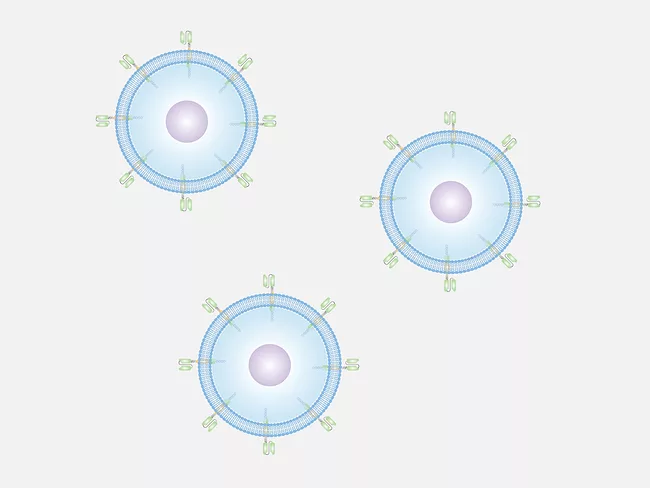
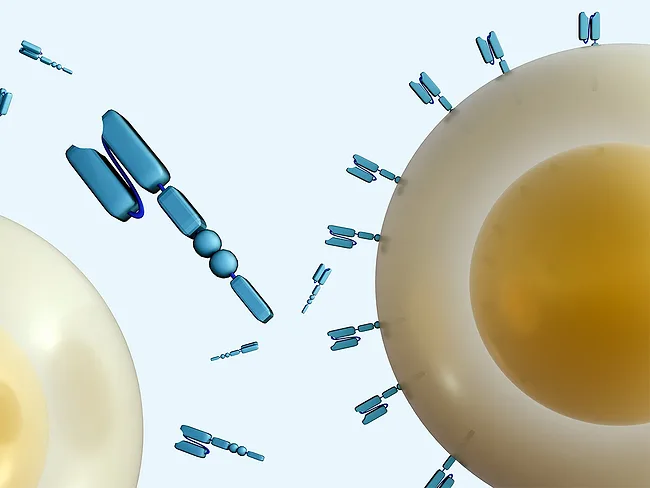
Fate Therapeutics Inc. has obtained IND clearance from the FDA for FT-839, the company’s next-generation, off-the-shelf CAR T-cell product candidate targeting CD19 and CD38 for autoimmune diseases.
Urogen Pharma Ltd. has obtained IND approval from the FDA for UGN-501, a next-generation investigational oncolytic virus. A phase I study evaluating intravesical administration of UGN-501 in patients with non-muscle invasive bladder cancer (NMIBC) is expected to begin in the fourth quarter.
LTZ Therapeutics Inc.’s LTZ-232 has gained IND clearance from the FDA, enabling initiation of a phase I study in patients with advanced metastatic colorectal cancer and other solid tumors.
Ascletis Pharma Inc. has submitted two IND applications to the FDA for ASC-36 once-monthly injection and ASC-36_35 once-monthly injection co-formulation for the treatment of obesity.
Ascletis Pharma Inc. has received IND clearance from the FDA for ASC-35, a once-monthly subcutaneously administered GLP-1 receptor (GLP-1R)/GIP receptor (GIPR) dual peptide agonist, for the treatment of obesity.
Unixell Biotechnology Co. Ltd. has obtained IND clearance from the FDA for UX-DA003, its allogeneic induced pluripotent stem cell (iPSC)-derived therapy for Parkinson’s disease. IND approval was also gained in China earlier this month, enabling concurrent clinical development in both China and the U.S.
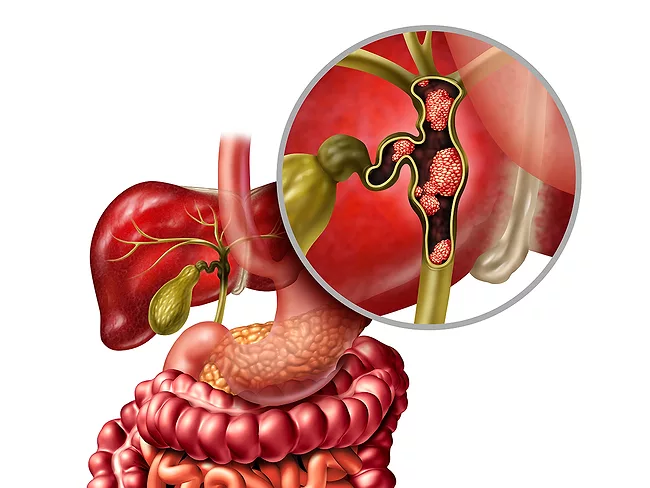
J-Pharma Co. Ltd. is progressing the most clinically advanced L-type amino acid transport 1 (LAT1) inhibitor, nanvuranlat (JPH‑203), in a global phase III Beacon-BTC study of biliary tract cancer following U.S. FDA alignment.
Anhorn Medicines Co. Ltd. has obtained IND clearance from the FDA for its lead neuroprotective candidate, AH-008, for the prevention of chemotherapy-induced peripheral neuropathy.
 RSS
RSS