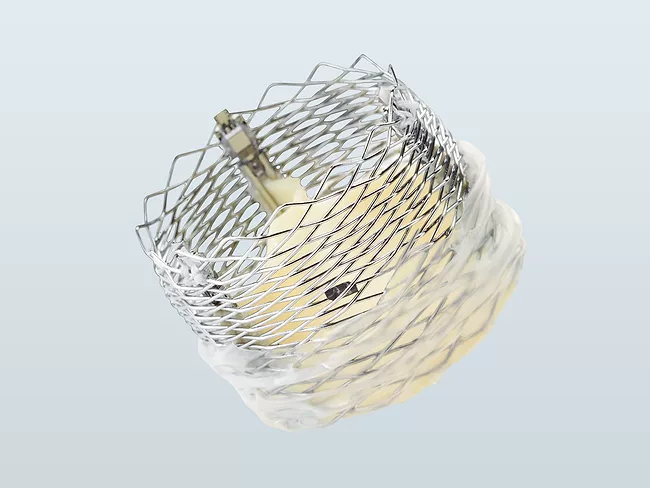
Boston Scientific Corp. said it is initiating a global, voluntary recall of all unused inventory of the Lotus Edge aortic valve system, blaming complexities associated with the product delivery system. The Marlborough, Mass.-based company emphasized that the valve itself continues to achieve positive and clinically effective performance post-implant. However, because of the time and investment needed to develop and reintroduce a delivery system, the company believes it is necessary to retire the entire Lotus platform immediately.
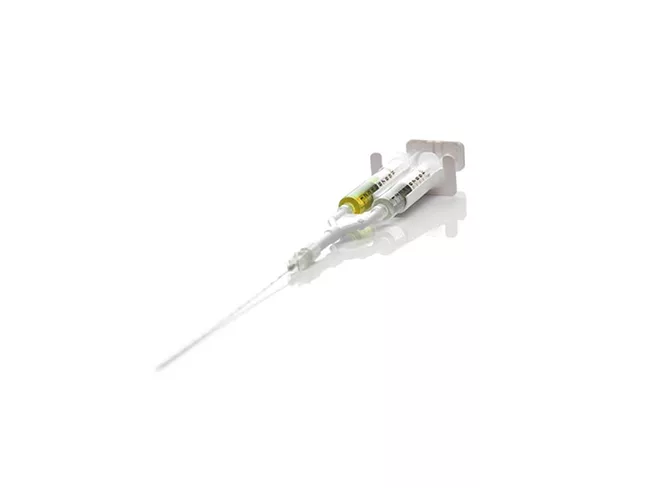
Boston Scientific Corp. reported that it has initiated the nationwide U.S. launch of Spaceoar Vue Hydrogel, a radiopaque version of Spaceoar Hydrogel that enables the use of computerized tomography scans instead of requiring magnetic resonance imaging (MRI) for patients undergoing radiation for prostate cancer.
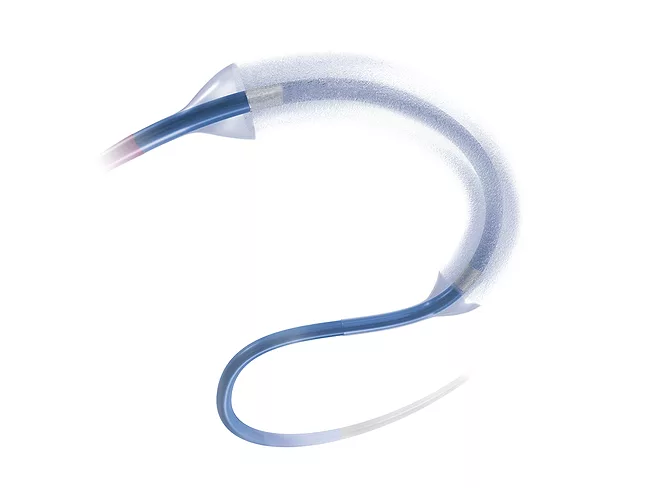
Boston Scientific Corp. has scooped up an approval from the U.S. FDA for the Ranger drug-coated balloon to help those with peripheral artery disease in the superficial femoral artery and proximal popliteal artery.
The history of TAVR devices is evolutionary as much as it is revolutionary, or that is at least the take-away from an Oct. 15 virtual session comparing the Acurate Neo device by Boston Scientific Corp., of Marlborough, Mass., with the Corevalve Evolut R by Dublin-based Medtronic plc.
Boston Scientific Corp. reported the controlled launch of its Acurate Neo2 aortic valve system in Europe. The next-generation transcatheter aortic valve implantation (TAVI) technology extends the clinical performance of the original Acurate Neo platform and includes an expanded indication for patients with aortic stenosis.
The U.S. FDA has been easing gently down the road of real-world evidence (RWE) in regulatory decision-making, and the case of the Watchman left atrial appendage device is instructive in this regard. Robert Shipley, of Boston Scientific Corp. (BSX), said on webinar hosted by the Advanced Medical Technology Association that the FDA changed gears and agreed to a registry for a post-approval study for the first generation Watchman, but added that the use of registry data and other RWE for approval of a next-generation device is as yet more aspirational than practicable.
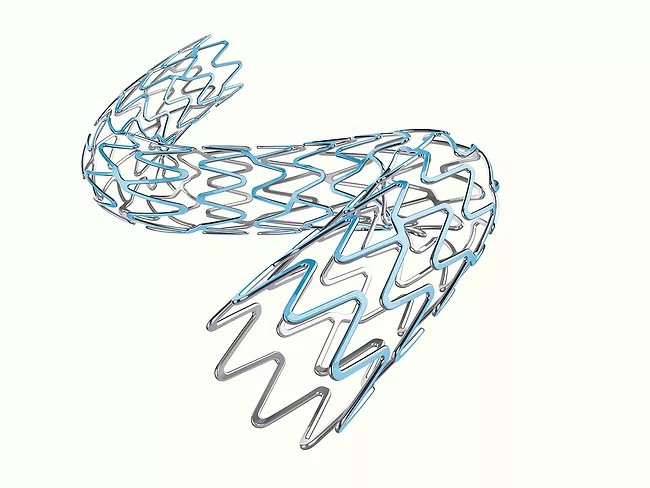
The U.S. Centers for Medicare and Medicaid Services (CMS) finalized its Medicare inpatient payment rule for fiscal 2021, and Boston Scientific Corp., of Marlborough, Mass., was perhaps a surprise winner with a new technology add-on payment (NTAP) for its Eluvia paclitaxel-coated stent for the lower limbs. The Eluvia had faltered at a previous NTAP application due to the controversy over paclitaxel in devices for the peripheral vasculature, but Boston Scientific said in a Sept. 3 press release that the decision to grant an NTAP payment “is particularly important,” given the scrutiny applied to paclitaxel’s use in these devices.
The COVID-19 pandemic has exerted a massive effect on procedure volumes across the globe, but concerns over supply chains have prompted political officials in Washington to encourage domestic production of drugs. That approach is also in play in a number of nations in the Asia-Pacific region, said Sana Siddiqui of Decision Resources Group, who noted that Beijing wants hospitals in China to ensure that 70% of devices used there are domestically manufactured by 2025.