The latest global regulatory news, changes and updates affecting medical devices and technologies, including: Evidence does not back hearing loss screening for asymptomatics; Boston Scientific settles on mesh marketing; FDA says approval phase for Barostim Neo was 240 days.
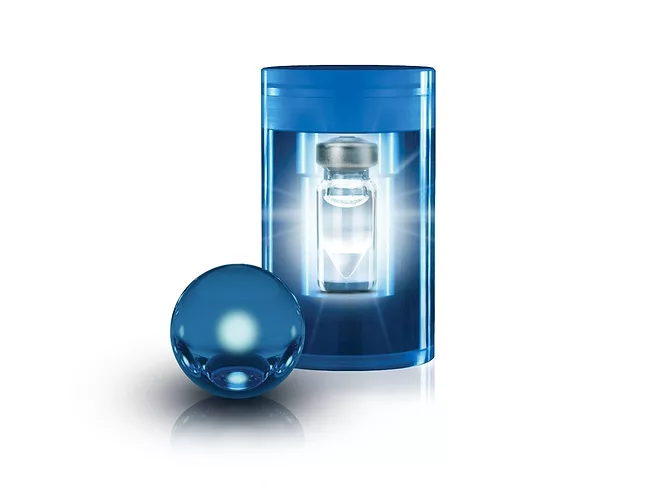
Boston Scientific Corp.'s Therasphere Y-90 glass microspheres received a PMA for treatment of patients with unresectable hepatocellular carcinoma (HCC). The radioembolization technique has been used in more than 70,000 patients under a humanitarian device exemption over the last 20 years. The U.K.'s NICE also recently recommended Therasphere for treatment of patients with HCC.
Boston Scientific Corp. has inked an agreement with an affiliate of Baring Private Equity Asia to acquire the global surgical business of Lumenis Ltd. for $1.07 billion up front. The med-tech giant has had a relationship with Lumenis for more than two decades and currently sells its urology laser portfolio in the U.S. and Japan. The transaction, expected to close in the second half of the year, expands Marlborough, Mass.-based Boston Scientific’s global urology footprint.
The latest global regulatory news, changes and updates affecting medical devices and technologies, including: Task force gives CAS screening another thumbs down; USPTO expands program with Japan’s, South Korea’s patent offices; Boston Sci recalls electrode for ICD due to risk of fracture; CDSCO posts lists of approved tests.
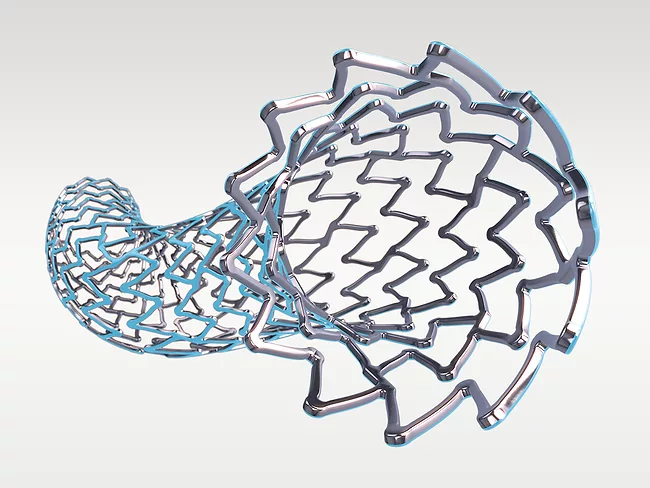
Boston Scientific Corp. has received the U.S. FDA’s nod for its Synergy Megatron drug-eluting stent (DES) system. The company said the premarket approval makes Synergy Megatron the first platform in the U.S. that is designed for large, proximal vessels. The Synergy Megatron biopolymer (BP) stent is indicated “for improving coronary artery luminal diameter in patients with symptomatic ischemic heart disease, stable or unstable angina, non-ST elevation myocardial infarction or documented silent ischemia due to atherosclerotic lesions in native coronary arteries.
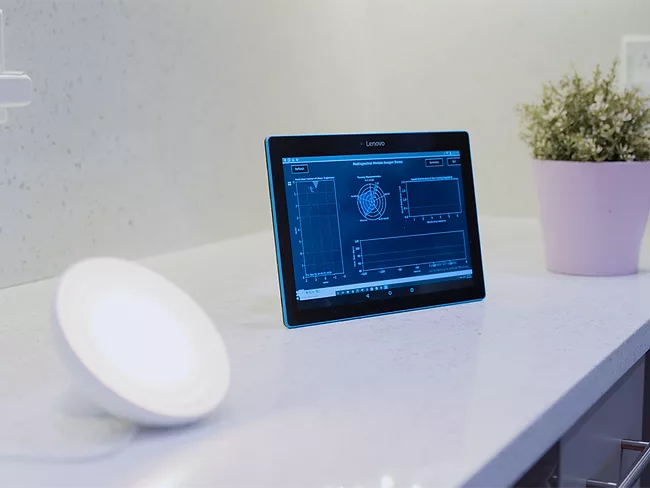
IBM Research and Boston Scientific Corp. are harnessing artificial intelligence (AI) to create an objective pain measurement tool that could someday replace standard patient-reported pain scales in the assessment of chronic pain.
The storm of controversy over the use of paclitaxel in devices for the peripheral vasculature had a dramatic effect on utilization, but a new study coming out of Sweden seems to have helped further ease concerns about purported mortality associated with this antiproliferative. While this unplanned interim analysis lends yet more support to the view that the mortality signal in the so-called Katsanos paper did not reflect a true biological finding, the net effect of the controversy has prompted a call for a registry that might eliminate some statistical noise that had a significant and harmful impact on patients.
Boston Scientific Corp. has received a thumbs up from the U.S. FDA for its fourth-generation Vercise Genus deep brain stimulation (DBS) system. The neuromodulation device, which comes in both rechargeable and nonrechargeable versions, is intended to treat the symptoms of Parkinson’s disease. Vercise Genus is indicated for use in the bilateral stimulation of subthalamic nucleus as an adjunctive therapy in alleviating some of the symptoms of moderate to advanced lepodova-responsive Parkinson’s disease that are not adequately controlled by medication. It also has indications for bilateral stimulation of the globus pallidus.
Boston Scientific Corp. has agreed to acquire Preventice Solutions Inc. for $925 million up front and up to an additional $300 million in a potential commercial milestone payment. The former has been an investor in Preventice since 2015 and currently holds an equity stake of about 22%, which is expected to result in a net payment of about $720 million upon closing and a milestone payment of up to roughly $230 million. The acquisition is projected to close by the middle of the year.
Of all the things that irritate physicians about health insurance, prior authorization might be at the top of the list. That didn’t stop the U.S. Centers for Medicare & Medicaid Service (CMS) from imposing a prior authorization requirement for the implant of spinal stimulators and for cervical fusion with disc removal in the calendar year 2021 Medicare outpatient prospective payment system, however.