The challenges to deploy diagnostic and surveillance testing for the COVID-19 pandemic will persist at least until a vaccine is ready if not well beyond that milestone. The state of COVID-19 testing as a regulated sector is a complex intersection of new and old technologies, questionable accuracy, availability hurdles, supply chain interruptions and problems with interpretation of results.
The COVID-19 pandemic has shaken the world – and the face of diagnostics. In a matter of weeks, a host of companies has worked to develop tests to find those patients who currently have the disease, as well as those who have developed antibodies.
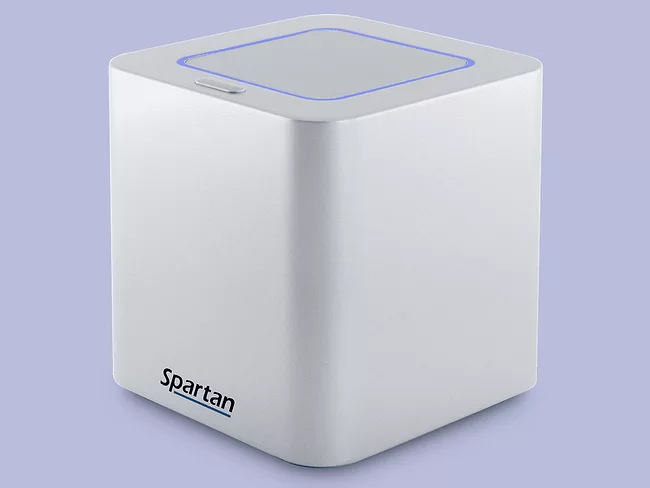
TORONTO – A portable DNA-based test kit developed by Ottawa-based Spartan Bioscience Inc. has received Health Canada approval for COVID-19 testing – this at a time when hospitals are under enormous pressure to meet increased testing demand.
The role of diagnostic and surveillance testing in the COVID-19 pandemic is unquestionably critical, but the volume and type of tests needed to bring the economy back online is complex. Susan Van Meter, director of Advamed Dx, said on an April 22 press briefing that while molecular and serological tests will continue to play a vital role, “we’re going to see millions of antigen tests available in the coming weeks,” a development that will prove crucial in efforts to restore normal economic activity.
The U.S. FDA reported that it has expanded the emergency use authorization for the Labcorp polymerase chain reaction (PCR) test for SARS-CoV-2 to include the company’s Pixel self-collection kit, a development that may presage a wider testing paradigm that is needed to restore the U.S. economy to normalcy.