Researchers at Shandong Second Medical University have developed a dimethyl quaternary ammonium derivative of harmane that shows strong potential for attacking the bacterium through diverse mechanisms.
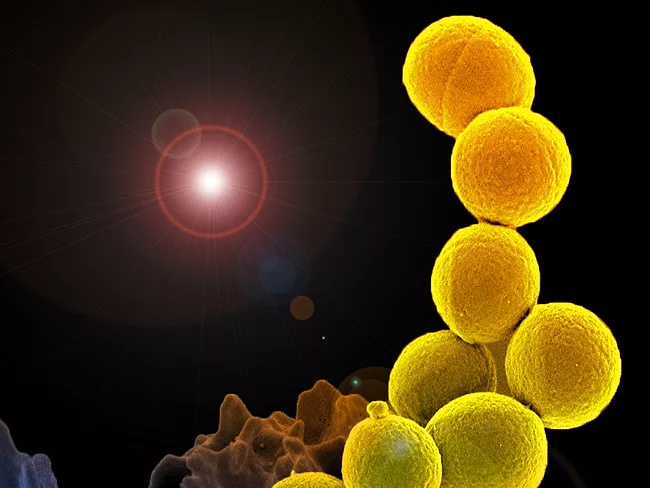
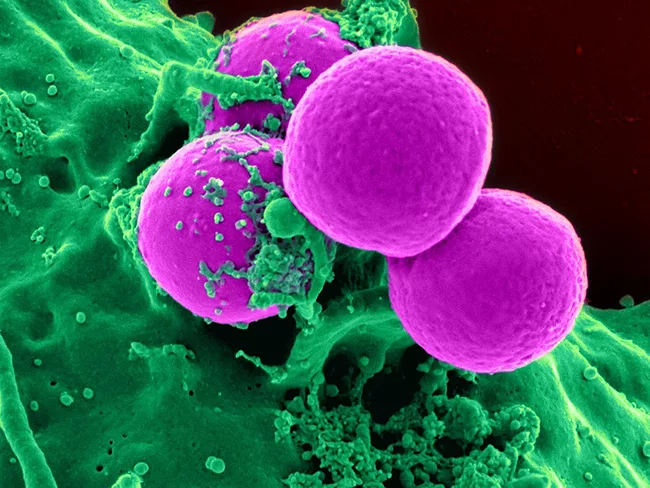
Staphylococcus aureus is a gram-positive bacterium that is ubiquitous on human skin and normally does not cause problems, but when it enters the body, it can cause serious infections. The growing prevalence of methicillin-resistant S. aureus (MRSA) highlights the need for next-generation antibiotics against it.
The multidrug resistance of methicillin-resistant Staphylococcus aureus (MRSA) makes it a global threat to public health, and the current first-line treatment for MRSA, the glycopeptide vancomycin, can have toxic effects on the kidney and ear.
As part of global efforts to develop next-generation antibiotics to overcome the growing problem of bacterial resistance to existing drugs, researchers at the Lanzhou Institute of Husbandry and Pharmaceutical Sciences prepared various derivatives of the dimethylcysteamine form of pleuromutilin, a naturally occurring diterpenoid.
Researchers at the Massachusetts Institute of Technology have developed a generative AI model that was able to generate novel antibiotic structures from either chemical fragments or de novo, starting from ammonia, methane, water or no starting point at all. In a study that was published online in Cell, the team tested two dozen of more than 10 million structures that were proposed as potential antibiotics by the model.
Researchers from Arkansas State University synthesized a library of thiazole derivatives, and these compounds were subsequently screened for their antibacterial activity both in vitro and in vivo.
Researchers at the Massachusetts Institute of Technology have developed a generative AI model that was able to generate novel antibiotic structures from either chemical fragments or de novo, starting from ammonia, methane, water or no starting point at all. In a study that was published online in Cell, the team tested two dozen of more than 10 million structures that were proposed as potential antibiotics by the model.
Researchers at the Massachusetts Institute of Technology have developed a generative AI model that was able to generate novel antibiotic structures from either chemical fragments or de novo, starting from ammonia, methane, water or no starting point at all. In a study that was published online in Cell, the team tested two dozen of more than 10 million structures that were proposed as potential antibiotics by the model.
Methicillin-resistant Staphylococcus aureus (MRSA) is the leading cause of nosocomial infections, with an increasing prevalence worldwide. Researchers aimed to apply a new approach called “pseudo-natural product” (PNP) scaffolds for antibacterial development, and hypothesized that the indotropane class of PNPs might show potential activity against bacterial strains.
Dimicare Biotech and affiliated organizations have presented the discovery and preclinical characterization of DCB-001, a trichloroacetimidamide compound being developed as a novel precision antibiotic against multidrug-resistant strains.