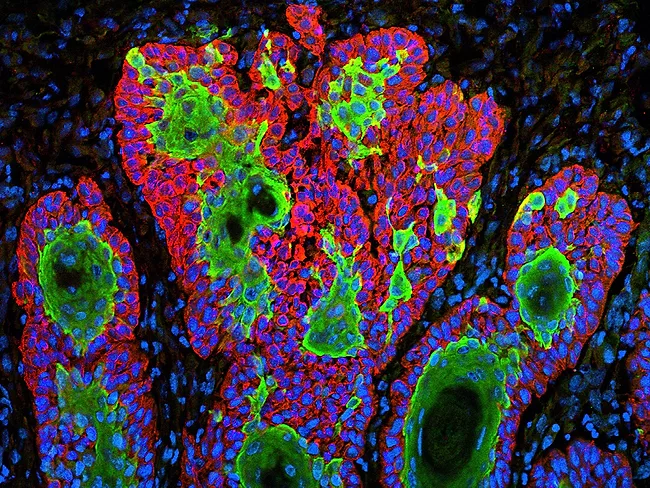
The expression of zinc finger transcription factor Trps1 (TRPS1) has been recently found to be specific for tumors of the breast. In normal skin, the expression of TRPS1 is found in outer root sheath, sebocytes and matrical cells of the hair follicle, as well as the inner luminal cells of eccrine glands. Cutaneous tumors with origin in these cell types were hypothesized to express TRPS1. Because little knowledge exists about the expression of TRPS1 in nonmelanocytic tumors of the skin; researchers from The University of Texas MD Anderson Cancer Center performed immunohistochemical (IHC) analysis of TRPS1 in different types of cutaneous tumors.
Squamous cell carcinoma (SCC) consists of heterogeneous tumors that originate from surface epithelial cells, with a dynamic keratinocyte (KC)-specific network of epigenetic modifications and transcription factors (TFs) being involved in squamous cell fate determination and oncogenesis. In recently published work, researchers from Massachusetts General Hospital and affiliated organizations aimed to identify kinases that control these processes and could therefore have therapeutic applications.
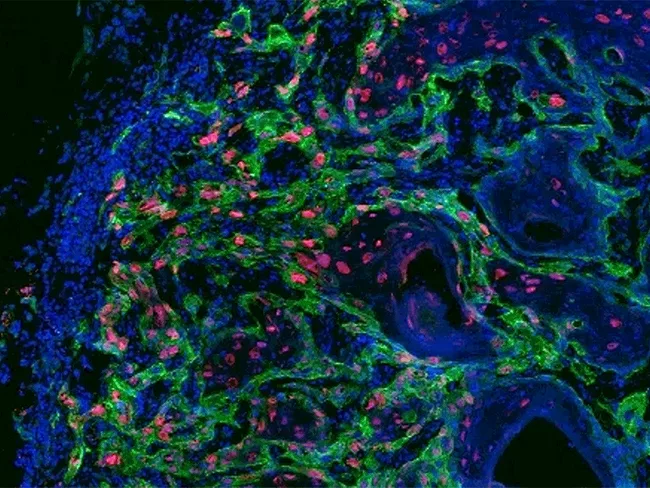
Microenvironmental factors originating from RAS-mutated cancer stem cells stimulated an angiogenic feedback loop with the surrounding environment causing the expression of leptin and TGF-β receptors on the cancer stem cells. Most significantly, leptin and TGF-β signaling were required for malignant transformation.
The findings, which were published in the Nov. 30, 2022 issue of Nature, raise “the intriguing possibility that many cancer mutations may function to lock into place, rather than set the course of, a path that is predetermined by aberrant crosstalk between a cancer stem cell and its microenvironment,” said senior author Elaine Fuchs, Rebecca C. Lancefield Professor and Howard Hughes Medical Institute investigator at Rockefeller University.