The National Medical Products Administration (NMPA) has approved Innovent Biologics Inc.’s Dupert (fulzerasib) as the first KRAS G12C inhibitor in China to treat select patients with non-small-cell lung cancer (NSCLC).
Innovent Biologics Inc.’s glucagon-like peptide-1 receptor (GLP-1R) and glucagon receptor (GCGR) dual agonist, mazdutide, met the primary endpoint and all key secondary endpoints in a phase III type 2 diabetes trial in Chinese adults. “Mazdutide is the first and fastest-developed GLP-1R/GCGR dual agonist in the world, and we are actively promoting the development of mazdutide for weight loss, T2D and other indications,” Lei Qian, Innovent’s vice president of clinical development, said.
Innovent Biologics Inc.’s glucagon-like peptide-1 receptor (GLP-1R) and glucagon receptor (GCGR) dual agonist, mazdutide, met the primary endpoint and all key secondary endpoints in a phase III type 2 diabetes trial in Chinese adults. “Mazdutide is the first and fastest-developed GLP-1R/GCGR dual agonist in the world, and we are actively promoting the development of mazdutide for weight loss, T2D and other indications,” Lei Qian, Innovent’s vice president of clinical development, said.
Nanjing, China-based Iaso Biotherapeutics Co. Ltd. has bought out global rights to human anti-B cell maturation antigen CAR T Fucaso (equecabtagene autoleucel) from partner Innovent Biologics Inc.
Nanjing, China-based Iaso Biotherapeutics Co. Ltd. has bought out global rights to human anti-B cell maturation antigen CAR T Fucaso (equecabtagene autoleucel) from partner Innovent Biologics Inc.
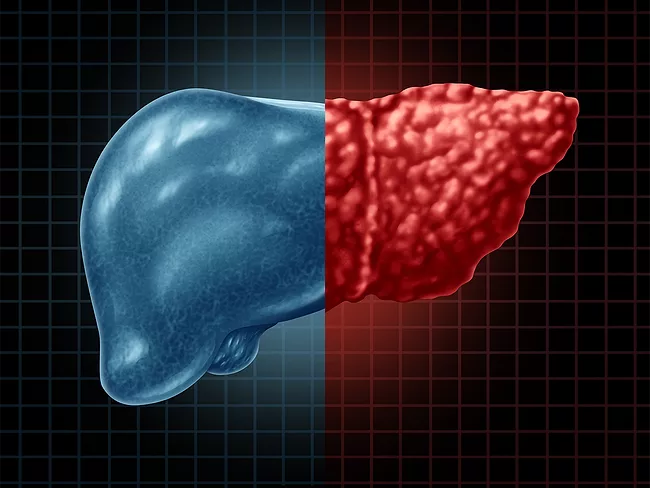
Innovent Biologics Inc.’s glucagon-like peptide-1 receptor and glucagon receptor dual agonist, mazdutide, saw 80% reduction in liver fat content in patients with more than 10% liver fat content in the phase III Glory-1 obesity trial.
Innovent Biologics Inc.’s picankibart (IBI-112) met all primary endpoints and key secondary endpoints in the phase III registrational Clear-1 trial in Chinese subjects with moderate to severe plaque psoriasis.
Innovent Biologics Inc.’s glucagon-like peptide-1 receptor (GLP-1R) and glucagon receptor dual agonist, mazdutide, met the primary endpoint of superiority in a head-to-head phase III trial in Chinese patients with type 2 diabetes compared to Eli Lilly and Co.’s GLP-1, dulaglutide, for glycemic control.
Innovent Biologics Inc.’s glucagon-like peptide-1 receptor (GLP-1R) and glucagon receptor dual agonist, mazdutide, met the primary endpoint of superiority in a head-to-head phase III trial in Chinese patients with type 2 diabetes compared to Eli Lilly and Co.’s GLP-1, dulaglutide, for glycemic control.
At the AACR meeting, Innovent Biologics Inc. discussed the discovery and preclinical evaluation of a B7-H3/EGFR bispecific antibody-drug conjugate (bsADC).