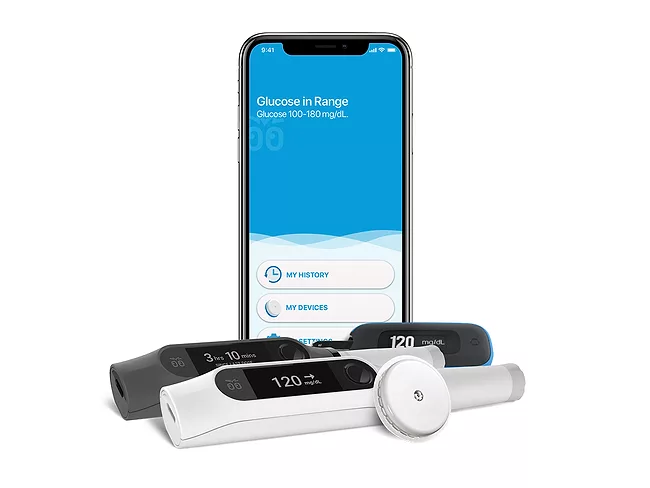
Medtronic plc agreed to acquire Eoflow Co. Ltd., the manufacturer of Eopatch, a tubeless, wearable and fully disposable insulin delivery service, for $738 million. The deal, which is expected to provide a significant boost to Medtronic’s beleaguered diabetes unit, is slated to close in the second half of 2023. The deal announcement coincided with Medtronic’s release of its fourth quarter results for fiscal 2023.
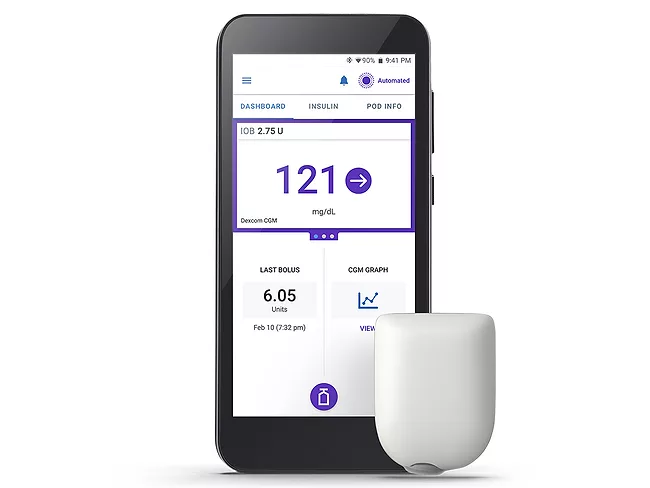
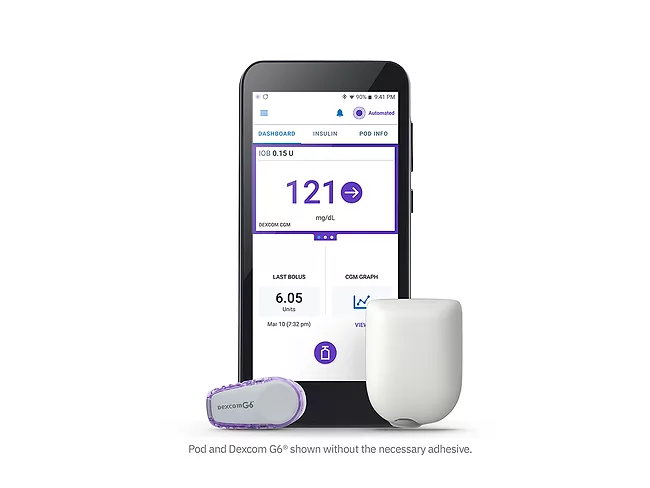
Insulet Corp. once again broke records with a nearly 50% increase in Omnipod revenues in U.S. in the first quarter and a 32% increase in revenue from the tubeless insulin delivery device worldwide. In an unusual move following such positive quarterly results, the company simultaneously announced a major shake-up in the leadership team, with multiple senior members moving to new positions starting July 1. The latest round of musical chairs comes almost exactly a year after the last at the Insulet, when Founder, President and CEO Shacey Petrovic stepped down and Jim Hollingshead assumed the top spot.
Dexcom Inc. posted a 19% increase in first quarter revenues compared to 2022 boosted by a stunning 27% organic growth in sales outside the U.S. With clearance of the G7 device in hand, another record set in new patient starts and coverage of continuous glucose monitoring (CGM) systems by CMS effective this month, the year is shaping up to be quite rosy for the diabetes device company.
While still pending clearance in the U.S., Medtronic plc’s Minimed 780G advanced hybrid closed loop (AHCL) system continues to post strong results in clinical trials. Results of two studies presented at the 2023 Advanced Technologies & Treatments for Diabetes Conference in Berlin on Feb. 27 demonstrated that patients with type 1 diabetes (T1D) who used the device for one year maintained a 26.7% increase in time in range for adults and a 14% increase in time in range for children aged 7 to 17 compared to their baseline using multiple daily injections with a continuous glucose monitor (CGM).
Insulet Corp. reported much better than expected fourth quarter results, following on Dexcom Inc.’s report of earlier than expected coverage decision from CMS for its just-approved G7 continuous glucose monitor. Insulet (NASDAQ:PODD) soundly beat Wall Street’s expectations for quarterly revenue by $38 million, bringing in $332 million instead of the anticipated $332 million, driven by strong uptake of its Omnipod tubeless insulin pump.
Insulet Corp. went on a buying spree this week with the acquisition of the assets of Automated Glucose Control LLC (AGC) and Bigfoot Biomedical Inc.'s automated insulin delivery (AID) patents. The Bigfoot and AGC deals each rang in at $25 million.
Tandem Diabetes Care Inc. entered a definitive agreement to acquire AMF Medical SA for CHF 62.4 million (US$67.1 million) in cash at closing plus future payments of as much as CHF 129.6 million (US$139.43 million) contingent on meeting certain milestones. Tandem also invested CHF 8 million (US$8.6 million) in AMF in the third quarter of 2022. The transaction is expected to close in January 2023.
The U.S. FDA posted an update to the ongoing recall of respirators and positive airway pressure devices by Philips Respironics Inc., a subsidiary of Amsterdam-based Royal Phillips NV, which are associated with more than 21,000 medical device reports (MDRs) between Aug. 1 and Oct. 31, 2022. However, these MDRs are also associated with 91 patient deaths, which while they cannot be attributed directly to these devices, are nonetheless a stain on the reputation of the company’s products going forward.
Teleflex Inc. issued a recall of its Iso-Gard S filters for respiratory equipment due to reports of separation, a problem that could impede the delivery of oxygen to patients. The class I recall was driven by 36 complaints and four injuries reported to the U.S. FDA, and affects more than 60,000 units shipped between Sept. 1, 2020, and July 5, 2022.
Insulet Corp. got the U.S. FDA’s nod to extend use of its Omnipod 5 automated insulin pump to children aged 2 years and up with type 1 diabetes. The expanded indication, just seven months after FDA cleared Omnipod 5 for patients 6 years and older, represents the first time a tubeless automated insulin delivery (AID) system has been authorized for use in children this young.