Ascletis Pharma Inc. raised HK$843.53 million (US107.93 million) in a placement on the Hong Kong Stock Exchange to advance its lead program, ASC-30, a small-molecule glucagon-like peptide-1 (GLP-1) receptor agonist that can be dosed once monthly subcutaneously and once daily orally for treating obesity.
After closing an oversubscribed $85 million series B round, Quantx Biosciences Inc. is gearing up to begin clinical trials of its two lead immunology compounds, a STAT6 oral small-molecule inhibitor and an IL-17 oral small-molecule inhibitor.
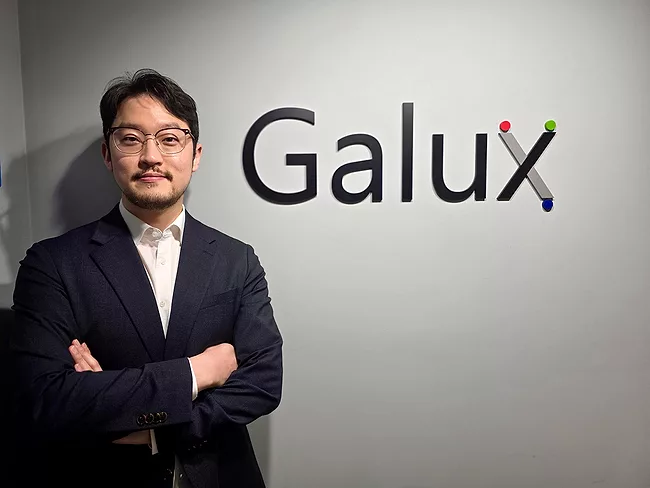
Galux closed a ₩42 billion (US$29 million) series B round Feb. 10, led by Yuanta Investment to bring AI-driven “rational design” to the protein drug development process, already heavily influenced by human engineering.
Total biopharma financings rose to $10.79 billion in January 2026, up from $9.08 billion in December. The monthly total nearly matched the January 2024 record of $10.9 billion, far exceeding the $6.82 billion average monthly haul in 2025.
Genentech Inc. is paying $200 million up front and up to $1.5 billion in milestone payments to license one of Suzhou Sanegene Bio Inc.’s RNAi programs. Metabolic and autoimmune-focused Sanegene did not disclose specifics around the licensed candidate, except that it was derived from its LEAD (Ligand and Enhancer Assisted Delivery) platform.
Corxel Pharmaceuticals Ltd. completed a $287 million series D round to advance its lead compound, an oral small-molecule GLP-1 receptor agonist, CX-11, for obese and overweight patients.
1st Biotherapeutics Inc. announced the closing of a ₩31.7 billion series D funding round Jan. 26 to advance its lead phase I oncology asset, FB-849, and portfolio of candidates for neurodegenerative diseases.
 RSS
RSS


.webp?height=488&t=1770931675&width=650 "Interleukin 17 (IL-17)")

.webp?height=488&t=1750428815&width=650 "Interfering RNA (RNAi)")