Chicago-based public benefit corporation Neopenda LLC secured the CE mark for its wireless, wearable vital signs monitor and picked up $1.4 million in new funding led by Assiduity Capital and the Sorenson Impact Foundation. The organization developed Neoguard to monitor critically ill infants in resource-poor regions, but adapted it last year to meet the monitoring needs of adult patients with COVID-19. The CE mark approval covers adult, pediatric and neonatal patients.
Movano Inc. closed its IPO on the Nasdaq Friday, reeling in gross proceeds of $48.9 million. The Pleasanton, Calif.-based startup launched the offering of 8.5 million shares of common stock priced at $5 per share on March 22, with a target of raising $42.5 million. The final tally included the fully exercised over-allotment option by underwriters to purchase an additional 1,275,000 shares.
MIT Media Labs spinoff Empatica Inc. secured the CE mark for its Aura system, a wearable solution for the monitoring and early alert of respiratory infections, including COVID-19. For use with people 14 and older, Aura is commercially available in Europe and the U.K., and for pilot purposes in the U.S. – pending FDA authorization. Aura’s algorithm analyzes vital signs from Empatica smartwatches, comparing data against the wearer’s historical baselines. In validation studies, Aura was able to detect patients with possible H1N1 influenza, rhinovirus or SARS-CoV-2 infection with 0.94 sensitivity. Detection occurred on average two days after infection.
Researchers at the University of California San Diego (UCSD) have taken wearables to a new level with a soft skin patch that integrates functions currently siloed in continuous glucose monitors, wearables, wellness apps and hospital monitors. The all-in-one patch can be worn on the neck to continuously track blood pressure, heart rate, glucose, lactate, alcohol and caffeine.
The U.S. FDA has given its nod to a new solution that aims to help with the temporary reduction of sleep disturbance related to nightmares in certain people. Specifically, the agency reviewed the device, from Minneapolis-based Nightware Inc., through the de novo premarket review pathway and now is permitting its use in patients aged 22 years of age or older who are suffering from nightmare disorder or have nightmares from post-traumatic stress disorder (PTSD). The agency previously granted the solution breakthrough device designation.
Neuroem Therapeutics Inc. has received breakthrough device designation from the U.S. FDA for Memorem, a bioengineered, wearable head device for the treatment of Alzheimer’s disease. The breakthrough nod, which entitles companies to an expedited regulatory process, follows results from a pilot study showing Memorem can reverse memory loss in patients with the debilitating brain disorder.
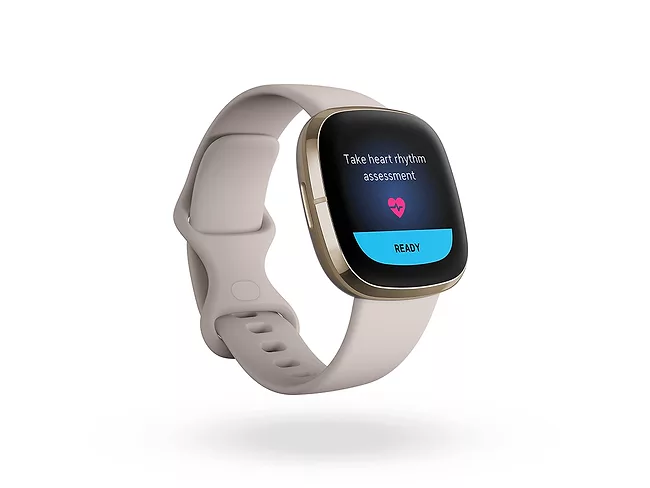
Fitbit Inc. and Apple Inc. picked up the pace in their race to put health monitoring apps on wrists everywhere with Fitbit gaining 510(k) clearance from the U.S. FDA for its new ECG app for the Fitbit Sense and Apple revealing the blood oxygen sensor built into its Series 6 watch this week. The new apps join a growing array of technological advances that permit wearable devices to track and record a range of health metrics.
In August, Cala Health Inc. reported results from its pivotal PROSPECT study showing significant improvement in hand tremors with use of its Cala Trio wearable neuromodulation therapy. Now the company has real-world evidence affirming the benefit to patients with essential tremor (ET) who used Cala Trio at home over several months.
TORONTO – After four years of relying on Vivametrica Inc. to successfully boost the health and wellness of its clients’ employees, Sprout Wellness Solutions Inc. has taken the next logical step by acquiring the Calgary-based health analytics company.
HONG KONG – Chugai Pharmaceutical Co. Ltd. is hoping to start phase I trials for an as-yet-unnamed digital solution for measuring pain levels in endometriosis patients that it is co-developing with Biofourmis Inc.
 RSS
RSS