Celltrion Inc. is riding high after receiving full approval for Regkirona (regdanvimab), as a treatment for COVID-19 in South Korea, seven months after the Ministry of Food and Drug Safety (MFDS) granted it conditional marketing approval in February 2021.
The COVID-19 pandemic is still swirling about, and rapid antigen tests are still playing a vital role in pushing back against the COVID-19 pandemic, and Australia’s TGA has responded with a guidance on when software used with rapid antigen tests qualifies as a regulated device. The TGA has classified such software as a class 3 device when used with a rapid antigen self-test, thus requiring a separate regulatory application before it can be eligible for entry in the Australian Register of Therapeutic Goods (ARTG).
PERTH, Australia – Changes to Australia’s medical device requirements have resulted in certain devices no longer requiring TGA conformity assessment certification, including class IV in vitro diagnostics (IVDs). As of July 23, 2021, devices that contain drugs or materials of animal, microbial, recombinant or human origin no longer require mandatory TGA conformity assessment certification. Instead, sponsors of these devices will be able to provide conformity assessment documents issued by notified bodies designated by a European Union member state to support their applications on the Australian Register of Therapeutic Goods (ARTG).
Everest Medicines Ltd. has in-licensed a Bruton’s tyrosine kinase (BTK) inhibitor for the treatment of renal diseases from Suzhou Sinovent Pharmaceuticals Co. Ltd. and Sinomab Bioscience Ltd. in a deal worth up to $561 million. Everest gained global rights to develop, produce and commercialize the candidate, XNW-1011.
Celltrion Inc. is riding high after receiving full approval for Regkirona (regdanvimab), as a treatment for COVID-19 in South Korea, seven months after the Ministry of Food and Drug Safety (MFDS) granted it conditional marketing approval in February 2021.
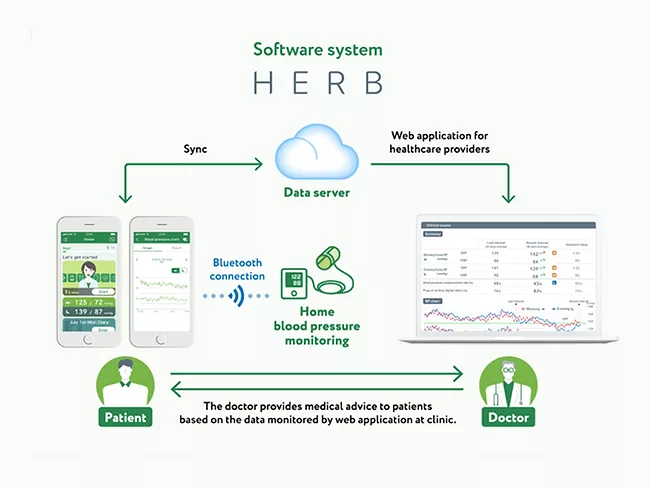
Cureapp Inc. is ready to take the next step for its digital therapeutic app (DTA) for hypertension, after completing a late-stage clinical trial and publishing the results. The company said it is the first global trial for a therapeutic app, conducted to seek regulatory approval in the field of hypertension.
The med-tech market in China has lured many device makers and investors into doing business there despite concerns about intellectual property (IP) theft. While some of those IP theft worries have eased, China’s National Medical Products Administration (NMPA) is still implementing an order that came into force June 1, creating an environment of massive regulatory uncertainty that will force device makers to navigate carefully when attempting to access the world’s largest med-tech market.
Lunit Inc. won an innovative medical device designation from South Korea’s Ministry of Food and Drug Safety (MFDS). The designation was for Lunit Insight MMG, its commercial artificial intelligence (AI) solution for breast cancer detection from mammography images. The company said that Lunit Insight MMG is now the first medical device of its type to receive the designation, and the company now has its second innovative medical device designation. “All of our commercialized products are now designated innovative medical devices by the MFDS. We will ensure that our Lunit Insight AI products allow medical staff to rapidly and accurately diagnose patients,” said Beomseok Suh, CEO at Lunit.
PARIS – Researchers at the Institute for Surface Technologies and Photonics in Weiz, Austria, and the Institute of Scientific and Industrial Research Osaka University, Japan, have invented new ultra-flexible health monitoring patches that use harvested bio-mechanical energy. “These new devices represent a wireless e-health patch for accurate pulse and blood pressure monitoring,” Andreas Petritz, from the Institute for Surface Technologies and Photonics (the materials research unit of Joanneum Research FmbH), told BioWorld.
South Korea’s Ministry of Health and Welfare (MHW) is currently discussing the implementation of a preferential drug pricing system and plans to initiate an expert survey in 2022. The preferential drug pricing system is part of a three-prong strategy that South Korea plans to adopt to promote the growth of eight leading companies in the pharmaceutical, medical device and cosmetic industries by 2030.
 RSS
RSS