Asia, led by China, is no longer just following global pharma trends. It is helping to shape them, and for investors, innovators and policymakers, the question is no longer whether to engage with Asia, but how to engage wisely in this new, more complex world.
Hutchmed (China) Ltd. has moved closer to establishing China’s first domestically developed FGFR-targeted therapy for intrahepatic cholangiocarcinoma, after the National Medical Products Administration (NMPA) accepted its NDA for fanregratinib (HMPL-453) and granted the drug priority review.
China’s National Medical Products Administration approved Innovent Biologics Inc.’s NDA for Tabosun (ipilimumab N01, IBI-310) in combination with sintilimab as neoadjuvant treatment for stage IIB-III resectable microsatellite instability-high or mismatch repair deficient colon cancer.
U.S. policy, China’s strategic rise, blockbuster deals and AI dominated South Korea’s biotechnology industry this year, with U.S. tariffs and the Biosecure Act’s hitch onto 2026 legislation serving as major topics of speculation.
Speed and innovation from Asia Pacific’s (APAC) biotechnology sector had big pharma scouring the region for the next oncology heir to Keytruda (pembrolizumab), Merck & Co. Inc.’s reigning blockbuster cancer drug.
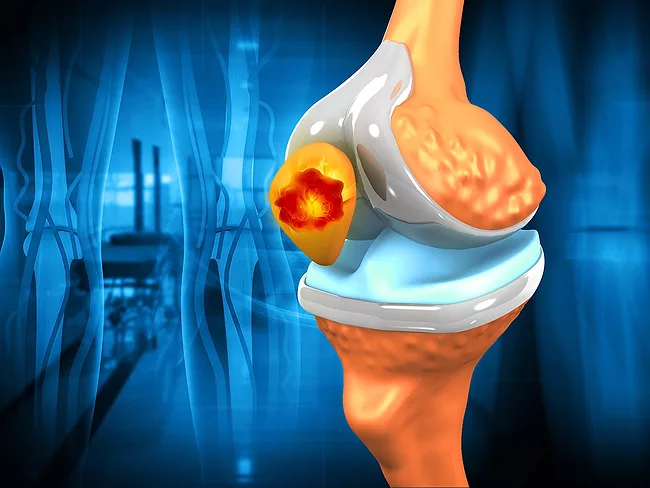
Abbisko Therapeutics Co. Ltd. and its partner Merck KGaA got an early Christmas present from China’s National Medical Products Administration (NMPA) with the approval of pimicotinib (ABSK-021), the first domestically developed systemic therapy for tenosynovial giant cell tumor (TGCT).
Jacobio Pharmaceuticals Group Co. Ltd. is outlicensing its phase I pan-KRAS inhibitor, JAB-23E73, to Astrazeneca plc in a global deal worth up to $1.915 billion that gives Astrazeneca global rights to the compound outside of China, and the two companies will jointly develop and commercialize the asset in China.
Big pharma is increasingly shopping in China to fill its pipelines as it faces looming patent cliffs on major blockbusters coupled with growing pricing pressures on drugs. As previously reported by BioWorld, China’s out-licensing deals grew to represent 32% of global deals in the first half of 2025, up from 21% in 2024, and only 5% in 2020, Jefferies Hong Kong-based analyst Cui Cui wrote in a July 2025 report on China dealmaking.
D3 Bio Inc. secured $108 million in a series B financing round Dec. 9 to support its planned phase III program of lead oral KRAS G12C inhibitor, elisrasib (D3S-001).
China unveiled its first Commercial Health Insurance Innovative Drug List (CIIDL), reimbursing 19 high-value innovative drugs, including all five domestically developed CAR T therapies as well as treatments for rare diseases and Alzheimer's disease.
 RSS
RSS