With increasing competition from China and other countries, the U.S. Department of Health and Human Services is rolling out Operation Trailblazer, a department-wide strategy to once again make the U.S. the go-to destination for early stage drug development.
China’s National Medical Products Administration approved Carsgen Therapeutics Holdings Ltd.’s NDA for satricabtagene autoleucel (satri-cel, CT-041), marking the first global approval of a CAR T therapy for solid tumors. The autologous Claudin18.2-targeted CAR T was approved for patients with Claudin18.2-positive, HER2-negative advanced gastric/gastroesophageal junction adenocarcinoma who have failed at least two prior lines of therapy.
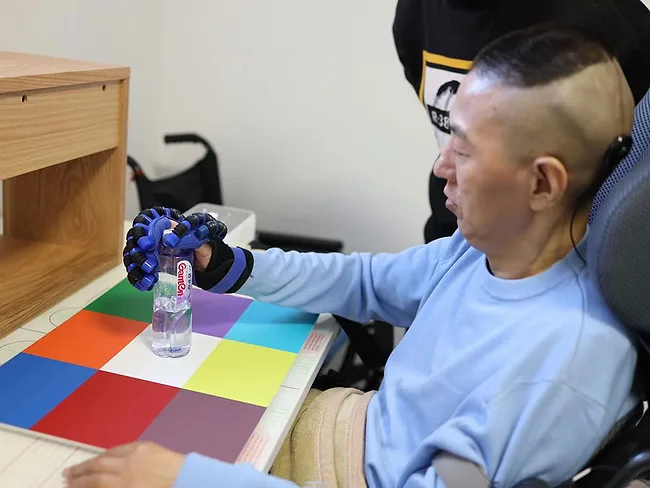
Decades of research are helping unravel the “black box” of the brain. The second article in BioWorld’s series on the Brain-Computer Interface (BCI) field looks at how simultaneous breakthroughs in AI technology are pushing the BCI field from a theoretical concept to a potential real-world, clinical option for individuals, particularly in China where the National Medical Products Administration greenlighted the world’s first invasive BCI system – Neuracle Medical Technology Co. Ltd.’s Neural Electronic Opportunity – for clinical use in March 2026.
Chinese peptide therapeutics developer Shaanxi Micot Pharmaceutical Technology Co. Ltd. is seeking up to HK$1.22 billion (US$155 million) in a Hong Kong IPO to advance its lead phase III chronic kidney disease candidate, MT-1013, and next-generation obesity therapies.
Laekna Inc. is handing ex-China rights to internally discovered PI3Kα pan-mutant selective inhibitor LAE-118 to U.S.-based Vasque Bio Inc. in a deal worth up to $527 million, marking another asset-monetization move by the Shanghai company as it looks to fund and accelerate development across its oncology and metabolic disease pipeline.
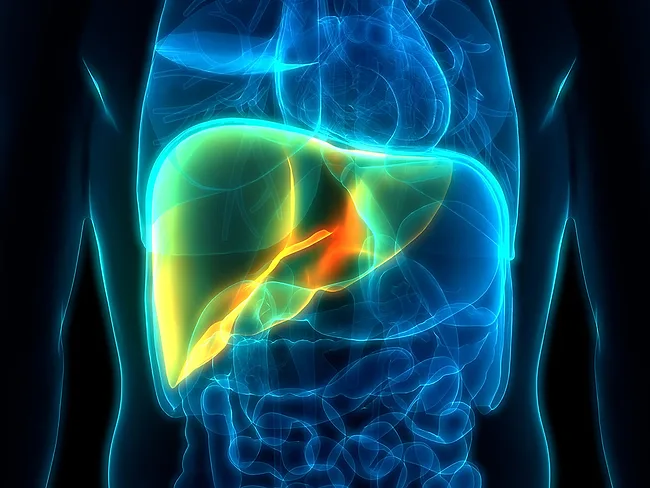
Oricell Therapeutics Holdings Ltd.’s glypican-3 (GPC3)-targeted autologous CAR T therapy, Ori-C101, is heading into a confirmatory registration phase II trial in patients with GPC3-positive advanced hepatocellular carcinoma, positioning it as the first GPC3-directed immune cell therapy – and the first CAR T therapy for liver cancer – to reach that stage of development.
Chinese diabetes specialist Gan & Lee Pharmaceuticals is strengthening its position in metabolic disease after reporting positive phase III data for both once-weekly basal insulin candidate Ludefen and obesity therapy bofanglutide.
Fresh off a deal with Travere Therapeutics Inc. for civorebrutinib worth more than $1.14 billion, Everest Medicines Ltd. went on a shopping spree, striking three deals in six days to expand its pipeline and geographic reach across Asia Pacific.
After raising HK$1.255 billion (US$160 million) in its IPO on the Hong Kong Stock Exchange earlier this month, Longbio Pharma Co. Ltd.’s lead candidate, LP-003, met the primary endpoint of total nasal symptom scores during peak pollen season in moderate to severe seasonal allergic rhinitis.
China’s National Medical Products Administration has approved Suzhou Alphamab Co. Ltd.’s HER2 bispecific antibody, anbenitamab (KN-026), through priority review for adults with locally advanced or metastatic HER2-positive gastric or gastroesophageal junction adenocarcinoma who have received at least one trastuzumab-containing regimen.
 RSS
RSS