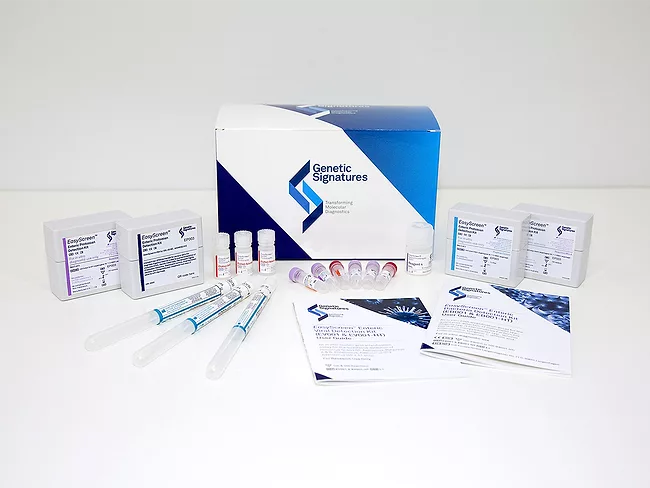
PERTH, Australia – Sydney-based molecular diagnostics company Genetic Signatures Ltd. received the CE mark for its 3base Easyscreen SARS-CoV-2 detection kit, clearing the way for marketing across the EU.
The latest global regulatory news, changes and updates affecting biopharma, including: Biotechnology Innovation Organization, Central Drugs Laboratory, Drugs Controller General, EMA, FDA, Gilead Sciences, Health and Human Services, Medicines and Healthcare Products Regulatory Agency, National Institute for Health and Care Excellence, Pfizer Healthcare India, Pharmaceuticals and Medical Devices Agency.
Regulatory snapshots, including global submissions and approvals, clinical trial approvals and other regulatory decisions and designations: Cochlear, Genetron, Gnomegen, Motus GI, Nitiloop, Orthosensor.
Regulatory snapshots, including global submissions and approvals, clinical trial approvals and other regulatory decisions and designations: 3M, Boston Scientific, Gnomogen, Viracor Eurofins Clinical Diagnostics.
Regulatory snapshots, including global drug submissions and approvals, clinical trial approvals and other regulatory decisions and designations: Agenus, Alnylam, Ascentage, Blaze, Immunomedics, Merck.
Olympus Medical Systems Group, of Center Valley, Pa., a division of Olympus Corp., is preparing the U.S. launch of the Itind device for the treatment of benign prostatic hyperplasia (BPH), following FDA de novo authorization earlier this year. The nonsurgical, minimally invasive treatment is made by Medi-Tate Ltd., of Or-Akiva, Israel.
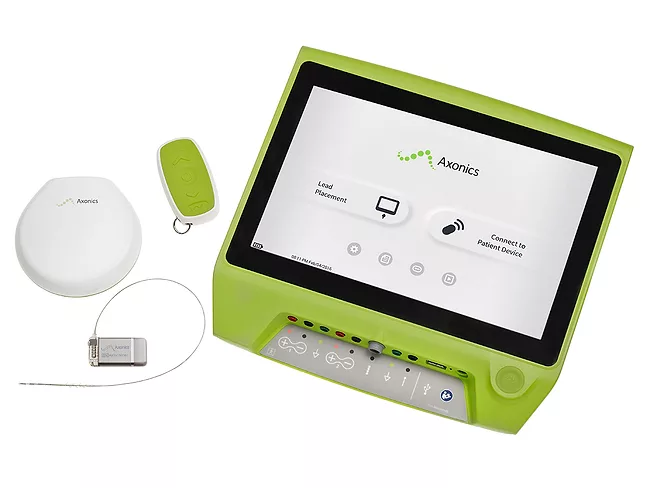
Irvine, Calif.-based Axonics Modulation Technologies Inc., which is marketing implantable sacral neuromodulation (SNM) devices for the treatment of urinary and bowel dysfunction, reported the submission of a premarket approval (PMA) supplement. Specifically, it is looking to gain full-body magnetic resonance imaging-conditional labeling for 3.0 Tesla (T) MRI scans.
Regulatory snapshots, including global submissions and approvals, clinical trial approvals and other regulatory decisions and designations: Medi-Tate, Merit Medical, Olympus.
Regulatory snapshots, including global drug submissions and approvals, clinical trial approvals and other regulatory decisions and designations: Acceleron, BMS, Daiichi, Eisai, GW, Histogen, Hope, Mallinckrodt, Mateon, Mesoblast, Novo Nordisk, Takeda, Tetra, Tracon.
 RSS
RSS