Acknowledging that the spread of the Andes virus and the resulting disease, hantavirus pulmonary syndrome, “constitutes a credible risk of a future public health emergency,” U.S. Health and Human Services Secretary Robert Kennedy is issuing a declaration to provide liability protection for manufacturers, distributors and providers using favipiravir as a medical countermeasure (MCM) against the virus.
What would normally be a routine meeting of the FDA’s Vaccines and Related Biological Products Advisory Committee May 28 may be more carefully watched given the overall turmoil surrounding vaccines in the U.S. The only task before the adcom is to recommend the COVID-19 vaccine formula for the upcoming season. That conversation will include looking at the effectiveness of the four FDA-approved vaccines currently in use in the U.S.
New regulations tighten regulatory oversight of China’s investigator-initiated trials (IITs) but legitimize the pathway that will be open to other modalities beyond cell and gene therapies.
Biotle has received a clinical trial notice from China’s National Medical Products Administration (NMPA) for its IND application for BTL-203, the company’s bispecific FcRn inhibitor being developed for the treatment of multiple autoimmune diseases.
New regulations tighten regulatory oversight of China’s investigator-initiated trials (IITs) but legitimize the pathway that will be open to other modalities beyond cell and gene therapies.
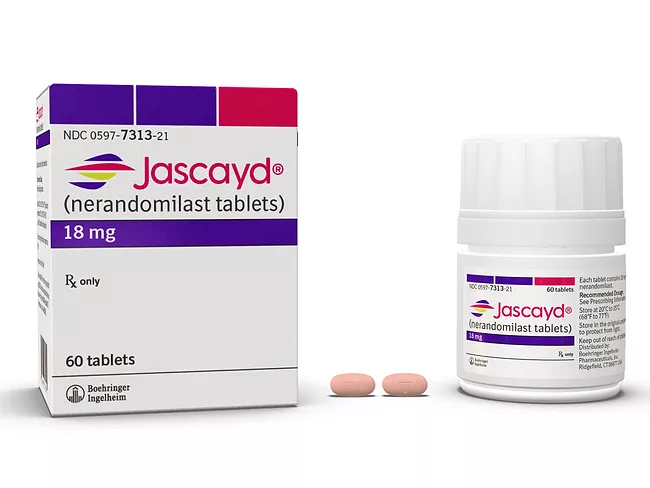
As generic versions of its blockbuster drug Ofev (nintedanib) start to hit the market, Boehringer Ingelheim GmbH looks to have swerved the patent cliff, with European and Japanese regulators both approving a potential replacement, Jascayd (nerandomilast), this week. At its monthly meeting, the EMA’s Committee for Medicinal Products for Human Use also recommended Novartis AG’s Vijoice (alpelisib) be given conditional approval in the treatment of PIK3CA-related overgrowth spectrum disorders.
Shanghai Henlius Biotech Inc.’s HLX-3902, a trispecific antibody targeting STEAP1xCD3xCD28, has received approval from the Human Research Ethics Committee (HREC) in Australia and has been filed with the Therapeutic Goods Administration (TGA). The T-cell engager is intended for the treatment of metastatic castration-resistant prostate cancer and other advanced solid tumors.
Scribe Therapeutics Inc. has obtained clearance from Australia’s Therapeutic Goods Administration (TGA) to initiate a first-in-human study of STX-1150 for the treatment of hypercholesterolemia, a major driver of atherosclerotic cardiovascular disease (ASCVD). The phase I study will enroll adults with elevated LDL-C at increased cardiovascular risk at sites in Australia and New Zealand.
Hangzhou Qihan Biotech Co. Ltd. has obtained IND clearance from the FDA for QT-019C, a universal allogeneic CAR T-cell therapy for autoimmune diseases. QT-019C cell injection is an off-the-shelf allogeneic CAR T-cell therapy engineered from healthy donor leukapheresis products to stably express two distinct CARs targeting CD19 and BCMA.

 RSS
RSS