Boston-based South Korean biotech Genosco Inc. said on April 25 that it passed a technology review required for the special listing track on the tech-heavy Kosdaq market, as it readies an IPO on the Korea Exchange.
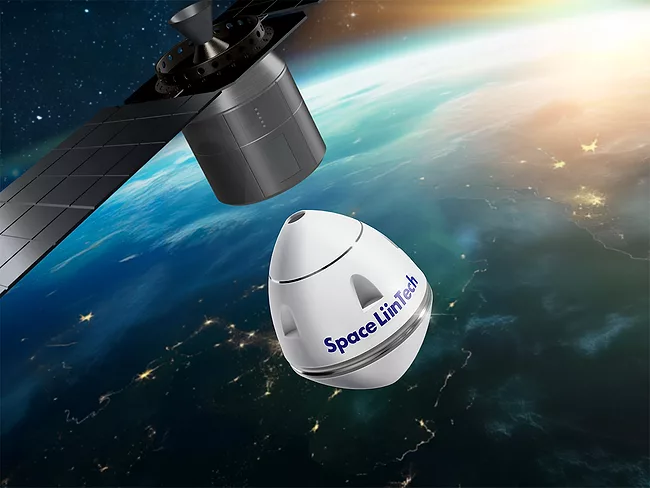
Space Liintech Co. Ltd., of Daejeon, South Korea, raised ₩4 billion (US$2.9 million) in a series A financing round to advance new drug research, development and production in outer space, as the private sector races to harness the orbit for pharmaceutical experiments.
Orum Therapeutics Inc., of Boston and Daejeon, South Korea, is planning for an IPO on the Korea Exchange by the end of 2024, having passed a technology evaluation required for listing on the Kosdaq, a company spokesperson confirmed to BioWorld.
Boston-based South Korean biotech Genosco Inc. said on April 25 that it passed a technology review required for the special listing track on the tech-heavy Kosdaq market, as it readies an IPO on the Korea Exchange.
Space Liintech Co. Ltd., of Daejeon, South Korea, raised ₩4 billion (US$2.9 million) in a series A financing round to advance new drug research, development and production in outer space, as the private sector races to harness the orbit for pharmaceutical experiments.
Sunbird Bio Inc. is advancing its blood-based diagnostics platform for neurological diseases like Alzheimer’s and Parkison’s disease (AD/PD), amidst new breakthroughs in the AD drug therapies and diagnostics space.
South Korean med-tech companies Nunaps Co. Ltd. and Share & Service are the latest to clear domestic approvals for digital therapeutics as the government ramps up R&D funding for artificial intelligence-based medical technologies.
Samsung Bioepis Co. Ltd. and Celltrion Inc. are making headway in Europe and U.S. with respective follow-on biologic products, with Samsung Bioepis the latest to gain EMA approval for Pyzchiva, a Stelara (ustekinumab, Janssen Pharmaceuticals Inc.) biosimilar, on April 23.
Suzhou, China-based Kintor Pharmaceutical Ltd. reported positive findings from a phase II study of GT-20029, a topical therapy for male androgenetic alopecia, on April 21 – boosting both the company’s stock and its chances of a late-stage clinical study in China and the U.S.
Immuneoncia Therapeutics Inc., a joint venture between South Korea’s Yuhan Corp. and San Diego-based Sorrento Therapeutics Inc., is looking to list on the Korea Exchange, having recently passed local technology evaluation.