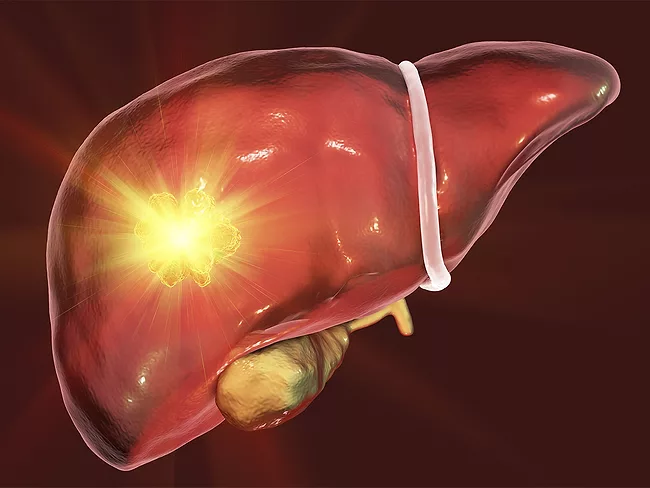
Elevar Therapeutics Inc. and Hengrui Pharmaceuticals Co. Ltd.’s licensing deal for camrelizumab (SHR-1210; Airuika in China) will add the PD-1 antibody to Elevar’s liver cancer armory for pairing with rivoceranib, its tyrosine kinase inhibitor on the brink of U.S. FDA review.
GSK plc is the latest pharma giant to bite the “magic bullet” of antibody-drug conjugate (ADC) drugs, promising to pay the Chinese immunotherapy developer Hansoh Pharmaceutical Co. Ltd. $85 million up front and over $1.4 billion in milestone payments in a licensing deal for HS-20089.
Burning Rock Biotech Ltd. wants to significantly change the way cancers are detected and the biotech is sailing ahead with the latest breakthrough device designation received from China’s NMPA for its multi-cancer detection blood test (MCDBT), Overc.
GSK plc is the latest pharma giant to bite the “magic bullet” of antibody-drug conjugate (ADC) drugs, promising to pay the Chinese immunotherapy developer Hansoh Pharmaceutical Co. Ltd. $85 million up front and over $1.4 billion in milestone payments in a licensing deal for HS-20089.
Medical Microinstruments Inc. (MMI) is expanding its Symani surgical system into the Asia Pacific – a region with “clear demand for the technology” – through two local partners, Device Technologies Australia Pty Ltd. and Seoul-based TRM Korea Corp.
Elevar Therapeutics Inc. and Hengrui Pharmaceuticals Co. Ltd.’s licensing deal for camrelizumab (SHR-1210; Airuika in China) will add the PD-1 antibody to Elevar’s liver cancer armory for pairing with rivoceranib, its tyrosine kinase inhibitor on the brink of U.S. FDA review.
Korean bioventure GI Innovation Inc. inched closer to achieving its goal of “five tech transfer deals in five years” with another licensing deal for its allergy drug, GI-301, with Japan-based Maruho Co. Ltd. for ₩298 billion (US$220.7 million), although share prices still dropped on the news.
Danish obesity and diabetes drugmaker Novo Nordisk A/S is set to acquire the Singapore-based KBP Biosciences Co. Ltd.’s hypertension drug, ocedurenone (KBP-5074), for potentially $1.3 billion, creating a platform to increase its reach in the cardiovascular (CV) landscape beyond a crowding obesity market.
Precision cancer biotech Abion Inc. announced a positive interim phase II readout for ABN-401, its novel c-mesenchymal-epithelial transition (c-MET)-targeting tyrosine kinase inhibitor (TKI) for advanced non-small-cell lung cancer (NSCLC), lighting a runway to its next trial as a combination regimen.
“Digital therapeutics (DTx) for obesity may seem light years away,” Rhee Sang-youl, of Kyung Hee University Medical Center (KHMC), said to the Korea Society of Cardiology (KSC) 2023 audience members on October 13, “but the reality is that it’s right in front of us.”